
Nvidia-backed Firmus scraps A$5 billion IPO as investors balk at AI valuation
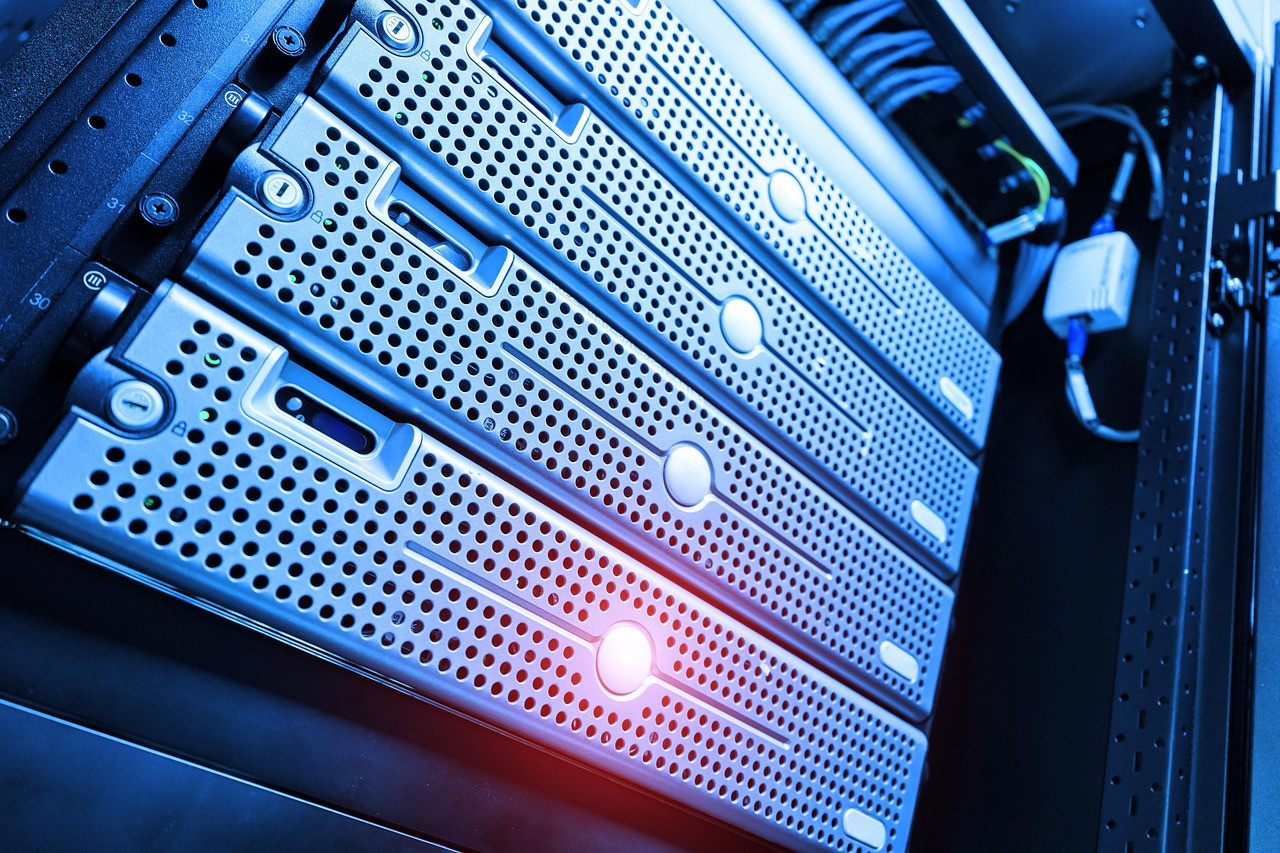
Representative image: cookieone / Pixabay
Australian AI data centre firm Firmus pulled its A$5 billion IPO on October 9, 2026 after weak demand at a valuation near triple its August level.
What Happened
Firmus, an Australian operator of artificial intelligence data centres backed by Nvidia, called off its planned initial public offering of about A$5 billion on Friday, October 9, 2026. The company said it would raise money from private investors instead. The listing would have been the second-largest new share sale in Australia's history, but it met weak demand from investors who questioned how much the company was asking them to pay. In a letter to shareholders, co-founders Oliver Curtis and Tim Rosenfield said the company "will now pursue capital from private markets and consider alternative international public market options to support its next phase of growth." The board said going ahead with the offer was not in the best interests of the company and its shareholders.
Key Facts
- Firmus withdrew its roughly A$5 billion IPO on October 9, 2026, citing market volatility and conditions.
- Shares were to be priced at A$11 each, implying an equity valuation of about $30.6 billion, according to reports of the offer terms.
- That figure was close to three times the $10.5 billion valuation the company reached after a funding round in early August.
- Firmus had only two data centres operating and no track record of finishing an AI data centre build, a point investors raised during the offer.
- Investors also grew wary of escrow terms that would have let existing holders sell more than half of their shares from the first day of trading.
- Maas Group, an Australian listed company that holds about 3.2% of Firmus, saw its shares fall after the IPO was pulled.
- Firmus declined to say whether it will now aim for a listing on the US Nasdaq exchange.
Why It Matters
The AI boom runs on data centres: large buildings full of graphics chips, cooling systems and power lines. Building them costs billions of dollars, and companies like Firmus need steady access to capital to keep going. For most of the past two years investors have been willing to pay high prices for almost anything tied to AI computing. A failed listing of this size is one of the clearest signs so far that buyers have become more selective.
The objections were specific rather than general. Investors were being asked to value Firmus at nearly three times what private backers had paid only two months earlier, for a business with two live sites. The escrow terms added a further worry: if early holders could sell large blocks of shares from the first day, the stock could come under pressure as soon as it began trading. These are ordinary questions in any IPO. The difference now is that public market buyers are asking them firmly of AI infrastructure companies too.
The route Firmus now takes also matters. When public money becomes harder to raise, data centre builders usually turn to private funds, sovereign investors and debt. That keeps projects moving, but often on tougher terms and with less public disclosure.
For Indian readers, the story is a useful marker. India is courting very large AI data centre investments, with global cloud firms and domestic groups announcing campuses in Mumbai, Chennai, Visakhapatnam and elsewhere. Many of these projects will eventually need public market money, whether through listings, infrastructure trusts or bonds. How investors priced Firmus is a reminder that the market will look closely at operating capacity, contracted customers and valuation, not only at an AI label.
| Firmus at a glance | Detail |
|---|---|
| Planned IPO size | About A$5 billion |
| Offer price | A$11 per share |
| Implied valuation | About $30.6 billion |
| Valuation after August funding | $10.5 billion |
| Data centres operating | Two |
Impact
Short-term: Firmus will try to raise money privately, and shareholders such as Maas Group face uncertainty over the value of their stakes and related business. Other AI infrastructure firms planning listings may delay or lower their price targets.
Long-term: Investors are likely to judge data centre companies on built capacity, signed customers and debt levels rather than on growth stories. That could slow the pace at which new AI computing capacity is funded through stock markets around the world, including in India.
Who is affected: Firmus and its backers, Australian investors who were offered the shares, companies that supply Firmus with equipment and services, and AI infrastructure firms elsewhere, including India, that plan to raise public money.
Key Takeaway
Firmus pulled its A$5 billion IPO on October 9, 2026 after investors balked at a valuation nearly three times its August level, a sign that public markets are now pricing AI data centre companies with more caution.
Questions and Answers
What is Firmus and why did it cancel its IPO?
Firmus is an Australian company, backed by Nvidia, that builds and runs data centres for artificial intelligence. It cancelled its planned A$5 billion share sale on October 9, 2026, citing market volatility, after investors showed little appetite at the asking price.
How much was Firmus asking investors to pay?
The offer price was A$11 per share, which implied an equity valuation of about $30.6 billion. That was nearly three times the $10.5 billion valuation Firmus reached after a private funding round in early August 2026.
What will Firmus do now?
Its co-founders told shareholders the company will seek money from private investors and look at other international listing options. The company has declined to say whether it will try to list on the Nasdaq exchange in the United States.
Why should Indian readers care about an Australian IPO?
India is attracting large AI data centre projects that will need major funding over the coming years. The Firmus outcome shows that investors are now testing such companies closely on operating capacity and valuation, which could shape how Indian data centre projects raise money.
Disclaimer: Prepared by the Peepals newsroom from publicly available sources with AI assistance. Information is accurate to the best of our knowledge at the time of publication and may change. Images may be representative. Not professional advice. Report an error via our contact page.
Sourced and fact-checked by the Peepals Global Editorial Team
Reported, fact-checked and published by the Peepals Global Editorial Team.