
Google's Gemini 4 Carbon tops AI index, goes first to cyber defenders
 By Anika SharmaAI & Innovations Editor, Peepals Tech

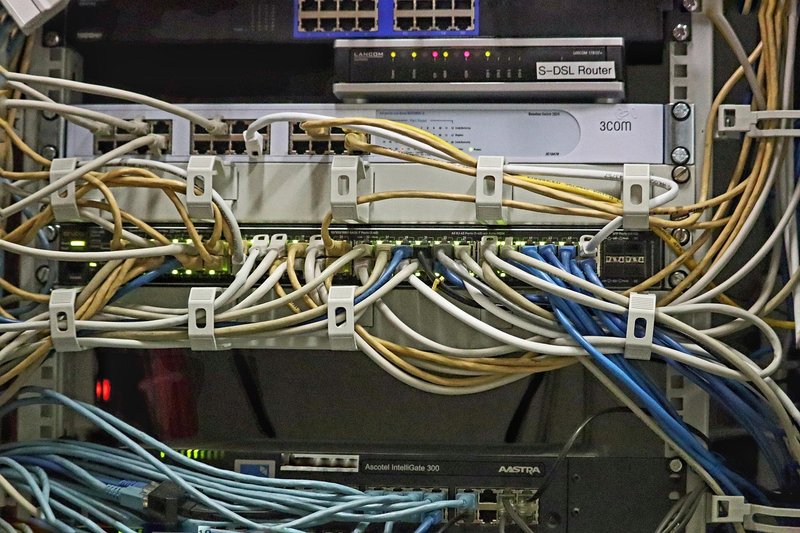
Representative image: PixxlTeufel / Pixabay
Google announced Gemini 4 Carbon on October 28, 2026; it leads an independent AI index and is going first to vetted cyber defenders, with wider access later.
What Happened
Google announced Gemini 4 Carbon, its newest and most capable artificial intelligence (AI) model, on Wednesday, October 28, 2026, and is giving it first only to a vetted group of cybersecurity defenders rather than to the public. The company says the model is built to be especially strong at finding and fixing security flaws in software. Google said developers, businesses and consumers would get access later but has not given a date. Carbon comes about two weeks after Google's previous frontier model, Gemini 4 Argon.
Key Facts
- Model: Gemini 4 Carbon, announced by Google on October 28, 2026.
- First users: selected cyber defenders in Google's Fairwind Program, which has more than 650 partners, including government cyber agencies, operators of critical infrastructure such as healthcare, telecom and energy, and major technology platforms, according to reports.
- Rules for those users: background checks, phishing-resistant multi-factor login, use only by internal security, incident-response or penetration-testing teams, and no sharing or reselling of access.
- Ranking: independent evaluator Artificial Analysis placed Carbon first on its Intelligence Index v5.0 with 59 points, one ahead of Anthropic's Claude Opus 5.5 (58) and two ahead of OpenAI's GPT-6 Astra (57).
- Google's own security test results: 88.2% on SEC-bench Pro (spotting vulnerabilities), 54.8% on ExploitGym (exploitation) and 71% on CWE-bench (patching); these are figures reported by the company.
- Listed introductory price for developers: $2 per million input tokens and $10 per million output tokens, according to Google.
- Google says it is taking part in the US government's voluntary process for testing models before release.
Why It Matters
Frontier AI models, the most advanced systems from the largest labs, are now good enough at reading code that they can find hidden weaknesses in software. That cuts both ways. In the hands of defenders, such a model can scan large codebases and suggest fixes faster than human teams. In the hands of attackers, the same ability could help find holes to break into systems. Google's decision to give Carbon first to vetted defenders, with strict conditions, is an attempt to let the protective uses get a head start.
The benchmark claims need careful reading. The security scores are Google's own reports, measured on tests the company chose, and the model has not been widely tested by outside users because access is restricted. The ranking from Artificial Analysis is independent, but the gap between the top three models is only one or two points, which shows how close the leading labs are. A token is a small chunk of text that AI systems process; pricing per million tokens is how developers are charged.
For India, the model's approach matters in two ways. Indian banks, telecom operators, hospitals and government systems are frequent targets of cyber attacks, and tools that help defenders find weaknesses early could reduce the damage. At the same time, staged access means organisations that are not part of the restricted programme will have to wait, and Google has not said whether Indian agencies or companies are among the first partners.
| Item | What Google or evaluators reported |
|---|---|
| Announced | October 28, 2026 |
| First access | Vetted cyber defenders in the Fairwind Program (650+ partners) |
| Artificial Analysis Intelligence Index v5.0 | 59 (first place) |
| SEC-bench Pro (finding flaws) | 88.2% (company-reported) |
| Introductory API price | $2 input / $10 output per million tokens |
Impact
Short-term: A limited set of security teams worldwide get early use of a model Google says is its strongest at finding and fixing software flaws, while everyone else waits.
Long-term: Releasing the most capable models first to defenders, under strict conditions, could become a common pattern for AI labs as their systems grow more able to find and exploit security weaknesses.
Who is affected: Cybersecurity teams in government and critical industries, software developers who will eventually use the model, businesses that depend on secure systems, and rival AI companies competing at the top of the rankings.
Key Takeaway
Google's Gemini 4 Carbon, announced on October 28, 2026, tops an independent AI ranking by one point and is going first only to vetted cyber defenders, with no date yet for wider access.
Questions and Answers
What is Gemini 4 Carbon?
Gemini 4 Carbon is Google's newest frontier AI model, announced on October 28, 2026. Google says it is especially strong at finding and fixing security flaws in software, and it follows Gemini 4 Argon, released about two weeks earlier.
Can I use Gemini 4 Carbon now?
Not yet for most people. Google is first giving it to vetted cyber defenders in its Fairwind Program. The company says developers, businesses and consumers will get access later but has not announced a date.
Is Gemini 4 Carbon the best AI model?
On one independent measure, Artificial Analysis's Intelligence Index v5.0, it ranks first with 59 points, just ahead of Claude Opus 5.5 (58) and GPT-6 Astra (57). Its security test scores are Google's own reported figures and have not been widely checked by outside users.
Why is Google limiting access to cyber defenders?
A model that is good at finding software weaknesses could also help attackers. By giving it first to vetted security teams under strict rules, such as background checks and no resale of access, Google aims to let defenders use it before it is more widely available.
Disclaimer: Prepared by the Peepals newsroom from publicly available sources with AI assistance. Information is accurate to the best of our knowledge at the time of publication and may change. Images may be representative. Not professional advice. Report an error via our contact page.
By Anika Sharma, AI & Innovations EditorCovers AI & Innovation and more for Peepals Tech. All stories by Anika Sharma
Get the day's stories in your inbox
Peepals Weekly: the week decoded, free. One email a week, unsubscribe in one click.
Anika Sharma is a pen name of the Peepals Global Editorial Team, which researches, fact-checks and publishes every story. The portrait is an illustration.