Explosion at Intel's Kiryat Gat chip plant in Israel kills two workers
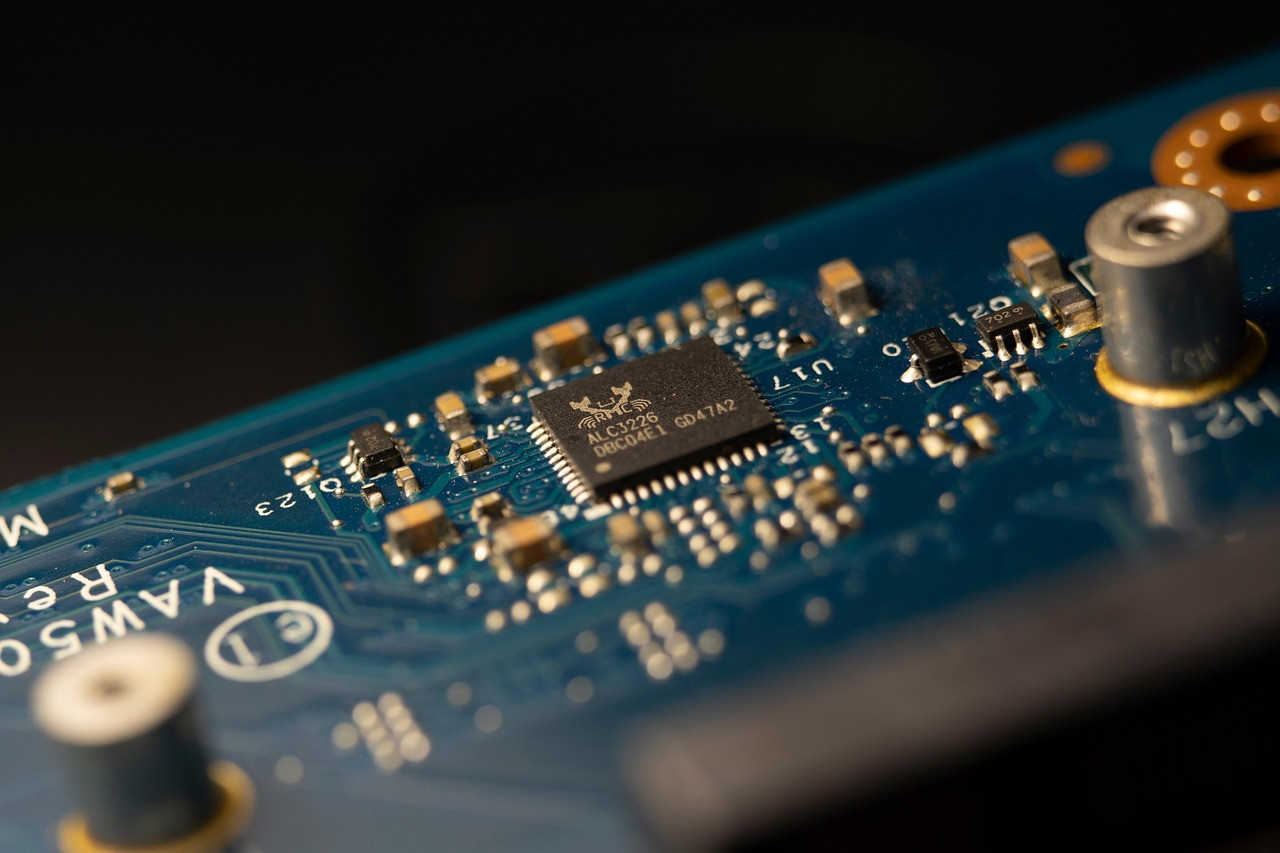
Representative image: Henryphoto / Pixabay
Two workers died after an October 14, 2026 explosion at Intel's chip plant in Kiryat Gat, Israel; police suspect a gas cylinder fault involving nitrogen trifluoride.
What Happened
Two workers have died after an explosion at Intel's chip manufacturing plant in Kiryat Gat, southern Israel, on Wednesday, October 14, 2026. One worker was killed in the blast, and a second, a 49-year-old employee, died of his injuries at Soroka Medical Center the next morning. A third worker was in intensive care. Police said the blast appeared to have been caused by a gas cylinder malfunction during a transfer of material at the site, and fire services said the incident involved nitrogen trifluoride, a toxic gas used in chipmaking. Intel said it was "deeply saddened by the loss of two workers".
Key Facts
- The explosion happened on the afternoon of Wednesday, October 14, 2026, at Intel's plant in Kiryat Gat, Israel.
- One worker died at the scene; a second, aged 49, died at Soroka Medical Center on the morning of October 15.
- A third worker remained in hospital in serious condition.
- Police suspect a gas cylinder malfunction; reports say one truck had finished unloading into tanks and disconnected, and a second had just connected when the blast occurred.
- Fire services said nitrogen trifluoride (NF3), a gas used to clean chipmaking equipment, was involved; authorities later said there was no danger to nearby residents.
- Police have opened an investigation; no cause has been confirmed and Intel has not said whether production was affected.
Why It Matters
Kiryat Gat hosts one of Intel's chip fabrication plants, and any disruption at a fab is watched closely by an industry that worries about chipmaking being concentrated in a handful of places. Intel has not said whether output at the plant, known as Fab 28, was affected, and there is no sign so far of a wider supply impact.
The incident is also a reminder of the hazards inside chip factories, which are often seen as clean, high-tech workplaces. Making semiconductors depends on a long list of specialty gases and chemicals, many of them toxic, flammable or under high pressure. Nitrogen trifluoride is used to clean the chambers in which chips are made. It does not burn, but it is toxic to breathe and is a strong oxidiser, so it must be handled with care. Deliveries and transfers of such materials between trucks, cylinders and storage tanks are among the riskier steps in plant operations, and investigators will want to know exactly what failed.
For India, which is trying to build up its own chip manufacturing, the accident underlines why gas handling, worker training and emergency response need as much attention as clean rooms and equipment. Safety rules and inspection capacity will have to keep pace as the country's semiconductor sector grows.
| Detail | What is known |
|---|---|
| Date | Wednesday, October 14, 2026 |
| Place | Intel plant, Kiryat Gat, southern Israel |
| Deaths | Two workers |
| Injured | One worker in serious condition |
| Suspected cause | Gas cylinder malfunction during a transfer (under investigation) |
| Gas involved | Nitrogen trifluoride, according to fire services |
Impact
Short-term: Israeli police and safety regulators will investigate the cause, and Intel will face questions about procedures for handling gas deliveries at the site. Families of the workers and colleagues at the plant are dealing with the loss.
Long-term: Depending on what investigators find, the accident could lead to tighter rules for gas transfers at chip plants in Israel and closer scrutiny of contractor and delivery procedures across the industry. Any extended shutdown would add to the pressures on Intel's manufacturing business, but the company has not reported one.
Who is affected: The workers and their families, employees at Intel's Kiryat Gat site, gas suppliers and contractors, Israeli safety authorities, and chip industry customers watching for supply effects.
Key Takeaway
An explosion at Intel's Kiryat Gat chip plant on October 14, 2026 killed two workers, and police are investigating a suspected gas cylinder failure involving toxic nitrogen trifluoride.
Questions and Answers
What happened at Intel's plant in Israel?
An explosion at Intel's chip plant in Kiryat Gat on October 14, 2026 killed two workers and seriously injured a third. Police suspect a gas cylinder malfunction during a transfer of material.
What is nitrogen trifluoride and why is it used in chipmaking?
Nitrogen trifluoride is a colourless gas used to clean the equipment in which semiconductors are made. It is not flammable but is toxic to inhale and must be handled carefully. Fire services said it was involved in the Kiryat Gat incident.
Was there a risk to people living near the Intel plant?
Authorities said there was no indication of any further leak and no danger to nearby residents after the incident.
Will the explosion affect Intel chip supplies?
Intel has not said whether production at the Kiryat Gat plant was disrupted, and there have been no reports of a supply impact so far. The cause is still under investigation.
Disclaimer: Prepared by the Peepals newsroom from publicly available sources with AI assistance. Information is accurate to the best of our knowledge at the time of publication and may change. Images may be representative. Not professional advice. Report an error via our contact page.
Sourced and fact-checked by the Peepals Global Editorial Team
AI used in 84% of ransomware attacks, survey of 1,200 victims finds
RapidCanvas raises $29 million led by Vertex to turn company AI pilots into production
Reported, fact-checked and published by the Peepals Global Editorial Team.