TSMC posts sixth straight record profit as AI chip demand lifts Q3 revenue 41%
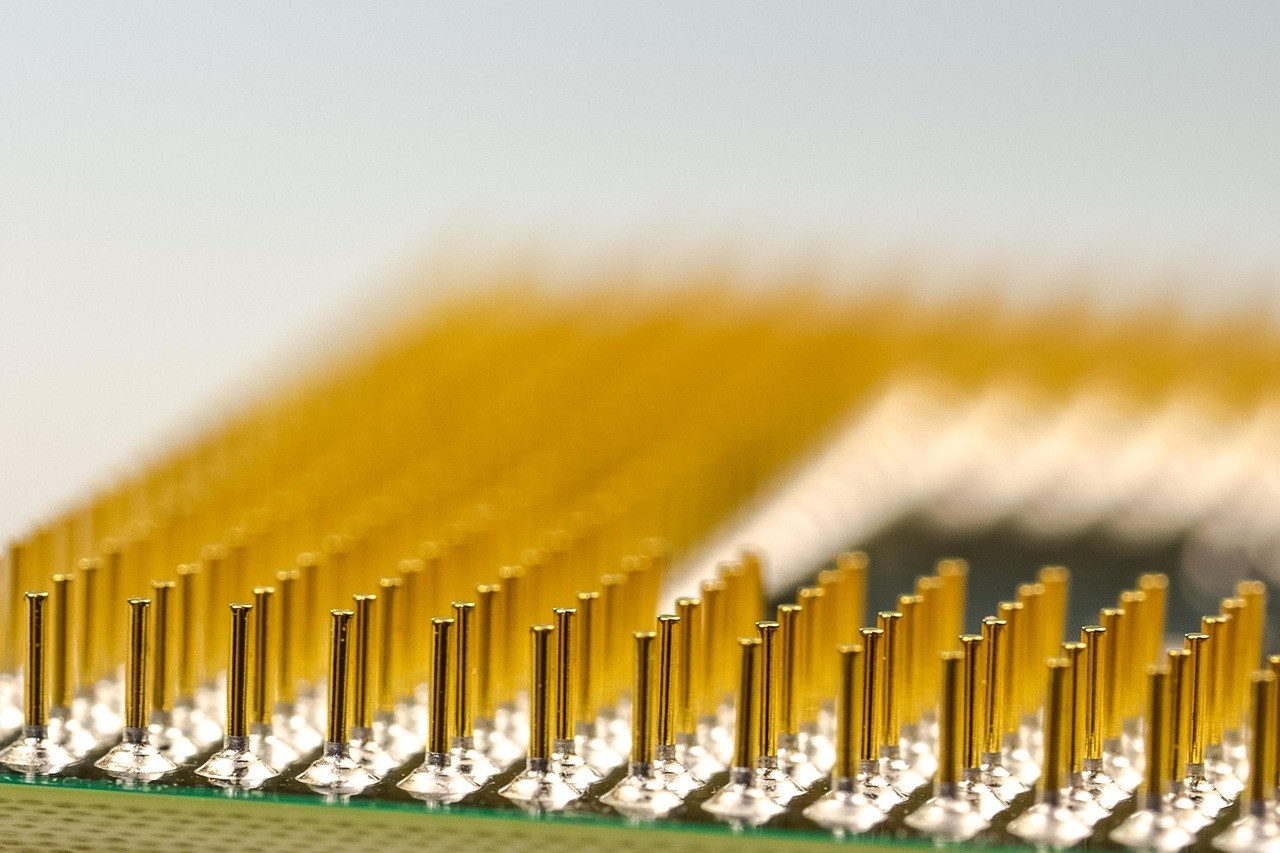
Representative image: blickpixel / Pixabay
TSMC reported Q3 2026 net income of NT$763.1 billion on October 15, 2026, up 68.7% and its sixth record quarter in a row, as AI chip demand drove revenue.
What Happened
Taiwan Semiconductor Manufacturing Company (TSMC), the world's largest contract chipmaker, reported record results for the July to September quarter on Thursday, October 15, 2026. Net income rose 68.7 per cent from a year earlier to NT$763.1 billion, ahead of the NT$746.3 billion analysts had expected according to LSEG estimates, and was the company's sixth record quarterly profit in a row. Revenue reached NT$1,494.2 billion, or about US$46.7 billion, up 41.2 per cent in US dollar terms and above the top of the company's own forecast range. Demand for chips used in artificial intelligence (AI) data centres was again the main driver.
Key Facts
- Q3 2026 net income: NT$763.1 billion, up 68.7% year on year; a sixth straight record quarter.
- Analyst estimate (LSEG): NT$746.3 billion, so profit beat expectations.
- Revenue: NT$1,494.2 billion, about US$46.7 billion, up 41.2% in US dollar terms.
- Revenue beat TSMC's July forecast of US$44.6 billion to US$45.8 billion.
- Gross margin 66.4%; operating margin 58.7%, above the 58% top of its guidance.
- High-performance computing, which includes AI chips, was 68% of revenue; smartphones 21%.
- Diluted earnings per share: NT$29.43; free cash flow NT$476.6 billion, up from NT$139.4 billion a year ago.
Why It Matters
TSMC makes the most advanced chips for many of the world's biggest technology companies, including the processors that power AI systems. Its results are therefore read as one of the clearest signs of how strong AI spending really is. A profit jump of almost 70 per cent, margins above its own guidance and high-performance computing making up more than two-thirds of sales all point to AI demand that is still rising, at a time when some investors have worried about whether the AI boom can last. Only this week, Asian chip shares fell sharply after hotter-than-expected US inflation data, so the results came at a nervous moment for the sector.
The scale of the numbers also shows how concentrated the industry has become. A gross margin above 66 per cent shows how much pricing power the company has in leading-edge chips. In July, TSMC raised its forecast for 2026 revenue growth to slightly above 40 per cent in dollar terms and lifted its planned capital spending for the year to between US$60 billion and US$64 billion. Chief executive C.C. Wei said on that call: "It will be a long time before we can meet customer demand."
For India, the results matter in two ways. Indian companies building AI services rely on chips made largely by TSMC, so its capacity affects their costs and supply. And as India tries to build its own semiconductor industry, TSMC's margins and spending plans show both the size of the opportunity and how far ahead the market leader is.
| Measure | Q3 2026 |
|---|---|
| Net income | NT$763.1 billion (+68.7%) |
| Revenue | NT$1,494.2 billion (about US$46.7 billion) |
| Gross margin | 66.4% |
| Operating margin | 58.7% |
| Share from high-performance computing | 68% |
Impact
Short-term: The beat is likely to steady sentiment towards chip stocks after this week's sell-off, though investors will focus on TSMC's guidance for the final quarter of the year and any update to its spending plans.
Long-term: Sustained AI demand supports TSMC's plans to keep expanding capacity. It also strengthens its pricing power, which affects the cost of AI hardware for cloud companies and, in turn, for businesses using AI services everywhere.
Who is affected: TSMC's shareholders; its big customers in AI, smartphones and computing; rival chipmakers; cloud and AI companies that depend on advanced chips; and countries, including India, trying to build their own chip industries.
Key Takeaway
TSMC's sixth consecutive record profit, driven by AI chips, shows demand for advanced semiconductors is still rising strongly despite worries about an AI slowdown.
Questions and Answers
What were TSMC's Q3 2026 results?
For July to September 2026, TSMC reported net income of NT$763.1 billion, up 68.7 per cent, on revenue of NT$1,494.2 billion (about US$46.7 billion), up 41.2 per cent in dollar terms. Both beat expectations.
Why did TSMC's profit rise so much?
Demand for advanced chips used in AI data centres. High-performance computing, which includes AI chips, made up 68 per cent of revenue, and gross margin reached 66.4 per cent.
What does the result mean for TSMC stock?
The company beat analysts' profit estimate and its own revenue forecast, which supports the view that AI demand remains strong. Investors are also watching its outlook for the last quarter of 2026 and its spending plans.
How much is TSMC spending in 2026?
In July, TSMC raised its planned 2026 capital spending to between US$60 billion and US$64 billion.
Disclaimer: Prepared by the Peepals newsroom from publicly available sources with AI assistance. Information is accurate to the best of our knowledge at the time of publication and may change. Images may be representative. Not professional advice. Report an error via our contact page.
Sourced and fact-checked by the Peepals Global Editorial Team
Shillong-based Shamrock AI raises $5 million seed round led by Endiya Partners
ASML posts 11.7 billion euro Q3 sales, says 2027-28 supply won't meet demand
Reported, fact-checked and published by the Peepals Global Editorial Team.