

Microsoft unveils Maia 300 AI chip, plans over a million in 2027 to cut Nvidia reliance
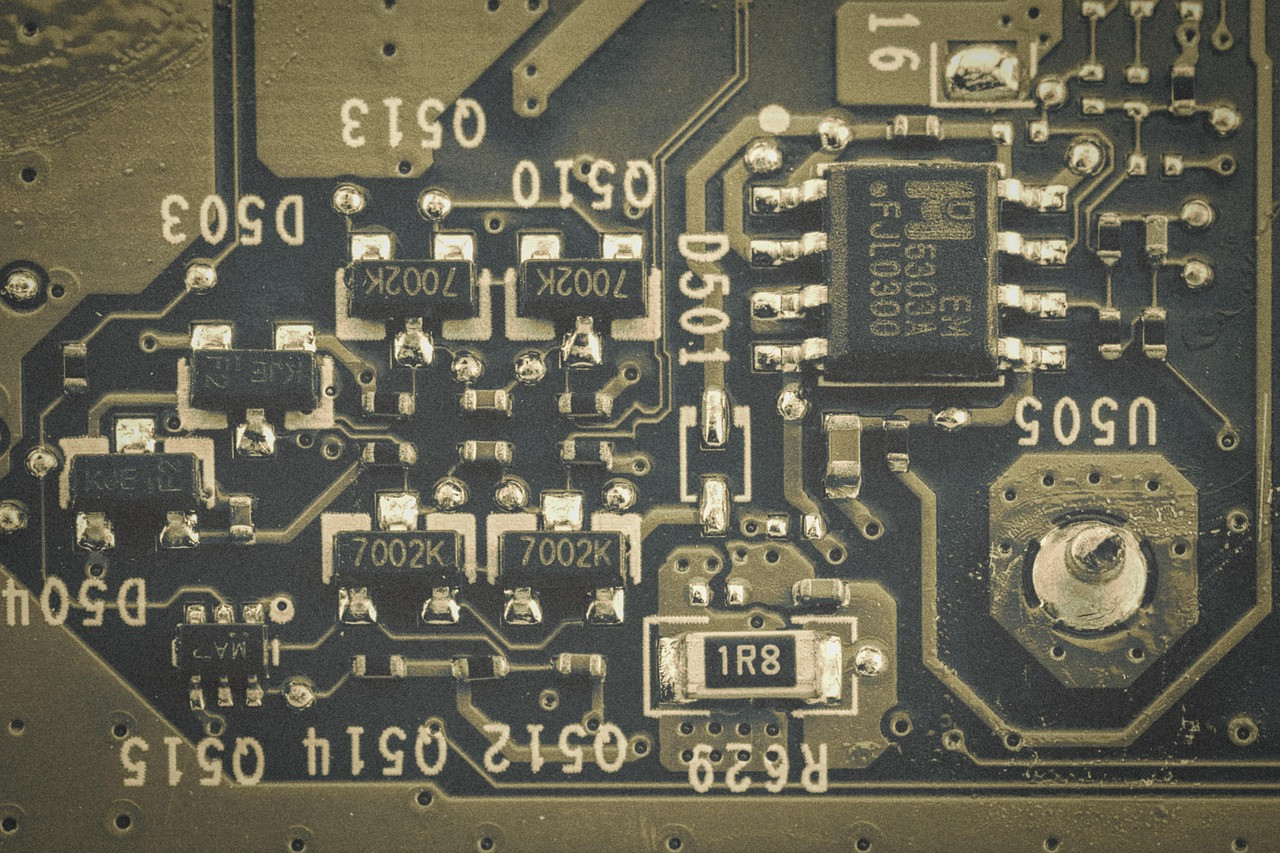
Representative image: analogicus / Pixabay
Microsoft unveiled its third-generation Maia 300 AI chip on 12 October 2026 and said it could deploy more than a million of them next year to run its own AI services.
What Happened
Microsoft unveiled the third generation of its in-house artificial intelligence chip, the Maia 300, on Monday, 12 October 2026, at the Open Compute Project (OCP) Global Summit in San Jose, California. The company said the chip will become the main hardware for running its own AI services, with production planned for 2027, and that it could deploy more than a million of the chips next year. Microsoft will keep buying processors from Nvidia and AMD, especially for training AI models, but the move shifts more of its AI work onto silicon it designs itself.
Key Facts
- Product: Maia 300, Microsoft's third-generation AI accelerator chip.
- Announced: 12 October 2026, at the OCP Global Summit in San Jose.
- Production is planned for 2027; Microsoft said it could deploy more than a million of the chips next year.
- Each server rack will hold 96 Maia 300 chips, twice as many as the Maia 200 generation.
- Microsoft says a rack will deliver up to seven times the token throughput of its predecessor, and about 40% more AI computing per watt than leading systems.
- The chips are for Microsoft's own services and will not be rented to outside customers.
- Analysts at Evercore ISI estimate Maia could account for about 10% of Microsoft's AI chip spending by the first quarter of 2027.
Why It Matters
The biggest cloud companies spend heavily on AI hardware, and much of that money has gone to Nvidia, whose graphics processors are the industry's main workhorse. Designing their own chips gives companies like Microsoft more control over costs, supply and how their hardware is tuned for their own software. Microsoft's announcement shows it is now moving its custom chips towards large-scale use.
The split between training and inference is the key detail. Training is the process of building an AI model, which needs the most powerful and flexible chips. Inference is the everyday work of running a finished model to answer users' questions, which happens billions of times and is where costs pile up. Maia 300 is aimed mainly at inference. By moving that work onto its own chips, Microsoft hopes to bring down the cost of each AI answer it serves through its products and its Azure cloud.
For Nvidia and AMD, the immediate effect is limited. Microsoft says it will keep using their processors, particularly for training, and an estimate of about 10% of Microsoft's AI chip spending going to Maia by early 2027 still leaves most of the budget with outside suppliers. Over time, though, every large customer that builds its own chips reduces the market those suppliers can count on.
There is also an energy angle. Power supply has become a constraint for AI data centres, and Microsoft's claim of about 40% more computing per watt matters as much as raw speed. If the claim holds up in real use, it would let the company serve more AI requests from the same power supply.
| Item | Maia 300 detail |
|---|---|
| Announced | 12 October 2026, OCP Global Summit |
| Production | 2027 |
| Chips per rack | 96 (double Maia 200) |
| Throughput | up to 7 times predecessor, per Microsoft |
| Use | Microsoft's own AI services, mainly inference |
Impact
Short-term: Investors will watch for signs of how quickly Microsoft shifts spending from Nvidia and AMD, and whether other cloud companies speed up their own chip plans.
Long-term: If custom chips make AI cheaper to run, cloud prices for AI services could fall, which would help businesses, including Indian IT and start-up firms that build on Azure.
Who is affected: Microsoft and its cloud customers; chipmakers Nvidia and AMD; chip manufacturing partners; and companies that pay for AI services by usage.
Key Takeaway
Microsoft's Maia 300 is a bid to run more of its AI services on its own chips from 2027, lowering costs and reliance on Nvidia without dropping it.
Questions and Answers
What is Microsoft's Maia 300?
It is the third generation of Microsoft's in-house AI accelerator chip, unveiled on 12 October 2026. It is designed mainly to run Microsoft's own AI services, with production planned for 2027.
Is Microsoft stopping its use of Nvidia chips?
No. Microsoft says it will continue to use Nvidia and AMD processors, especially for training AI models. Maia will take on more of the work of running models for users.
How powerful is the Maia 300?
Microsoft says each rack of 96 Maia 300 chips delivers up to seven times the token throughput of the previous generation, and about 40% more AI computing per watt than leading systems.
Can other companies buy or rent Maia 300 chips?
No. The chips are for Microsoft's internal use and are not offered to outside customers.
Disclaimer: Prepared by the Peepals newsroom from publicly available sources with AI assistance. Information is accurate to the best of our knowledge at the time of publication and may change. Images may be representative. Not professional advice. Report an error via our contact page.
Sourced and fact-checked by the Peepals Global Editorial Team
Meta launches Muse Wonder, its first frontier AI model, to take on OpenAI and Anthropic
Reported, fact-checked and published by the Peepals Global Editorial Team.