
US sues Lyft over disabled riders, seeks $53 million under ADA
 By Karan BansalTech Startups Correspondent, Peepals Tech
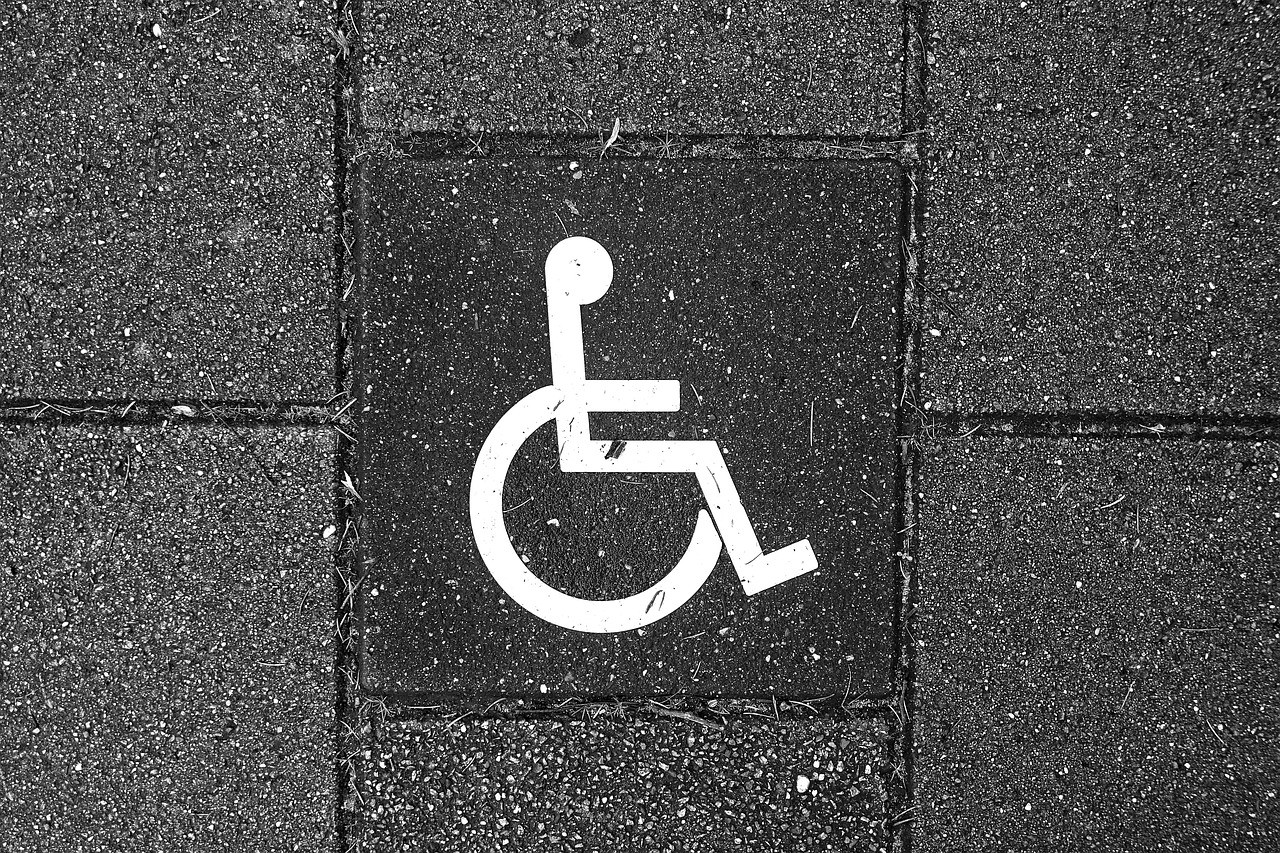
Representative image: MabelAmber / Pixabay
The US Justice Department sued Lyft on 9 November 2026, alleging ride refusals to passengers with service animals and wheelchairs; it seeks $53 million. Lyft disputes it.
What Happened
The US Justice Department sued the ride-hailing company Lyft on Monday, 9 November 2026, alleging that the company and its drivers discriminated against passengers with disabilities by refusing rides to people travelling with service animals or stowable wheelchairs. The lawsuit, filed in the federal court for the Northern District of California, says Lyft violated Title III of the Americans with Disabilities Act (ADA), the law that bars disability discrimination by private businesses, including transport companies. The department seeks $53 million for affected people and court-ordered changes to Lyft's policies. Lyft disputes the allegations.
Key Facts
- Plaintiff: the US Department of Justice; defendant: Lyft.
- Filed: Monday, 9 November 2026, in the US District Court for the Northern District of California.
- Law cited: Title III of the Americans with Disabilities Act.
- Allegations: Lyft and its drivers refused rides to passengers with service animals or stowable wheelchairs, and charged cancellation fees after such refusals, according to the complaint as reported.
- Relief sought: $53 million for affected individuals who complained to Lyft or the department, plus a court order requiring policy changes and training for staff and drivers.
- Lyft's response: it disputes the claims, says it has long-standing policies requiring drivers to accommodate riders with service animals or foldable mobility devices, and says it cooperated with the department's review.
- Background: the case follows an earlier federal investigation after a complaint by a wheelchair user in Los Angeles; the department sued Uber over similar claims in 2025, seeking $125 million.
Why It Matters
Ride-hailing apps have become a lifeline for many people who cannot drive, including those with disabilities, because they promise a car on demand at a predictable price. That promise fails if a driver cancels on seeing a guide dog or a folded wheelchair. The lawsuit tests a central question for platform companies: whether they are responsible for what independent drivers do, or only for the policies they publish. The government's case is that written rules are not enough if refusals keep happening and riders are charged for them.
For technology companies, the case is a reminder that regulators increasingly judge platforms by outcomes, not by terms of service. Tools that could reduce refusals, such as better reporting buttons, automatic refunds of unfair cancellation fees, and penalties for drivers who repeatedly cancel on riders with disabilities, are design choices that a court could now examine.
The question is relevant in India too, where app-based taxis and auto-rickshaws are a main way to travel in cities and where accessibility of transport is a continuing concern for people with disabilities. How courts in the US handle platform responsibility for drivers' conduct is watched by policymakers and companies elsewhere, including Indian ride-hailing firms that rely on the same driver-partner model.
Peepals calculation: The $53 million sought from Lyft is about 42% of the $125 million the Justice Department sought from Uber in its 2025 lawsuit over similar claims (53 ÷ 125 ≈ 0.42); put the other way, the Uber demand was about 2.4 times larger (125 ÷ 53 ≈ 2.36). Our calculation from the reported figures.
| Case | Year filed | Amount sought |
|---|---|---|
| US v Uber (similar disability claims) | 2025 | $125 million |
| US v Lyft | 2026 (9 November) | $53 million |
Impact
Short-term: Lyft will contest the case in federal court in California. Riders with disabilities who say they were refused may be encouraged to come forward, and the company may review how it handles complaints and cancellation fees.
Long-term: A ruling or settlement could set clearer duties for ride-hailing platforms over drivers' conduct towards riders with disabilities, affecting how such apps design their reporting, refund and driver-penalty systems in the US and beyond.
Who is affected: Riders with disabilities who use service animals or wheelchairs, Lyft and its drivers, other ride-hailing and delivery platforms, disability rights groups, and regulators watching platform responsibility.
Key Takeaway
The US Justice Department sued Lyft on 9 November 2026, alleging it refused rides to passengers with service animals and wheelchairs in breach of the ADA, and is seeking $53 million; Lyft disputes the claims.
Questions and Answers
Why is the US government suing Lyft?
The Justice Department alleges that Lyft and its drivers refused rides to passengers with service animals or stowable wheelchairs and charged cancellation fees after refusals, in violation of Title III of the Americans with Disabilities Act. The suit was filed on 9 November 2026.
How much money does the Justice Department want from Lyft?
It seeks $53 million for affected individuals who complained to Lyft or the department, along with a court order requiring policy changes and training.
What has Lyft said?
Lyft disputes the allegations, saying it has long-standing policies requiring drivers to accommodate riders with service animals or foldable mobility devices and that it cooperated with the department's review.
Has Uber faced a similar case?
Yes. The Justice Department sued Uber in 2025 over similar claims about refusing rides to passengers with service dogs and wheelchairs, seeking $125 million.
Disclaimer: Prepared by the Peepals newsroom from publicly available sources with AI assistance. Information is accurate to the best of our knowledge at the time of publication and may change. Images may be representative. Not professional advice. Report an error via our contact page.
By Karan Bansal, Tech Startups CorrespondentCovers Tech Start-ups & Stories and more for Peepals Tech. All stories by Karan Bansal
Airbus A350-1000ULR Guinness record: 24-hour Melbourne-Toulouse flight
Ring Drone Cam: Amazon's $249.99 flying indoor camera ships January 27
Get the day's stories in your inbox
Peepals Weekly: the week decoded, free. One email a week, unsubscribe in one click.
Karan Bansal is a pen name of the Peepals Global Editorial Team, which researches, fact-checks and publishes every story. The portrait is an illustration.