
November visa bulletin: India EB-3 moves three weeks, EB-2 stuck at 2013
 By Pooja MehraIndustry Trends Analyst, Peepals Tech
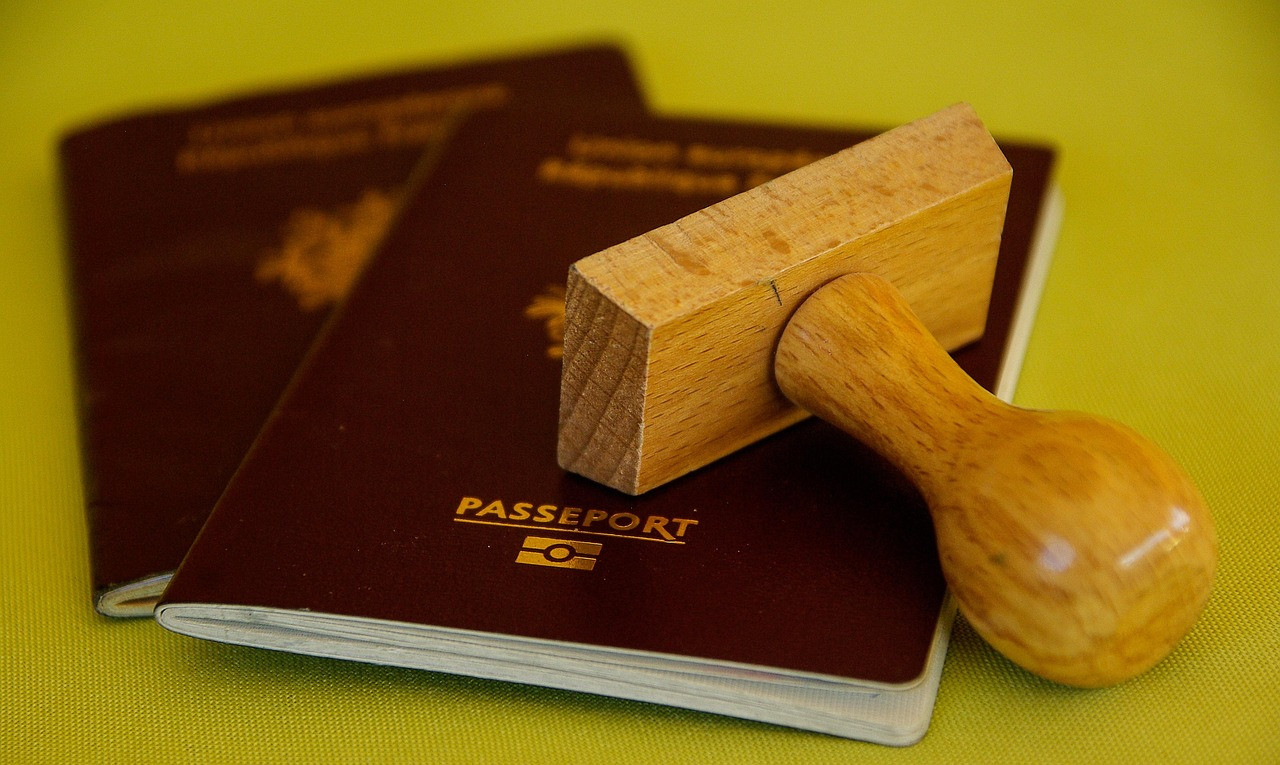
Representative image: jackmac34 / Pixabay
The US November 2026 visa bulletin, published on October 22-23, moves India's EB-3 green card cut-off to January 22, 2014, while EB-2 stays at November 1, 2013.
What Happened
The US State Department's visa bulletin for November 2026, published on October 22 and 23, moves the cut-off date for Indian applicants in the EB-3 employment green card category forward by three weeks, from January 1, 2014 to January 22, 2014. The cut-offs for Indians in the EB-1 and EB-2 categories did not move: EB-2 stays at November 1, 2013 and EB-1 at February 1, 2023. For thousands of Indian technology professionals in the United States, the visa bulletin decides when they can finally get permanent residence.
Key Facts
- EB-1 (India) final action date: February 1, 2023, unchanged from October.
- EB-2 (India) final action date: November 1, 2013, unchanged.
- EB-3 (India) final action date: advanced 21 days, from January 1, 2014 to January 22, 2014.
- Dates for filing (India) for EB-2 and EB-3: January 15, 2015.
- For applicants from most other countries ("rest of world"), the EB-2 final action date moved from January 1, 2025 to April 1, 2025.
- According to an analysis by the law firm Fragomen, US Citizenship and Immigration Services (USCIS) will accept adjustment applications in November based on the dates-for-filing chart.
Why It Matters
The visa bulletin is the monthly list that tells green card applicants whose turn has come. Every applicant has a "priority date", usually the date their employer started the green card process. Only those whose priority date is earlier than the cut-off in the bulletin can be approved. Because the US limits how many green cards go to people from any one country each year, applicants from countries with heavy demand, such as India, wait far longer than others.
The gap is stark this month. An Indian engineer in the EB-2 category, which covers professionals with advanced degrees, needs a priority date before November 1, 2013 to be approved now. A professional from most other countries in the same category only needs one before April 1, 2025. That means many Indians are waiting more than a decade longer for the same type of green card.
For Indian tech workers in the US, the wait shapes career decisions, since permanent residence brings more freedom than a temporary work visa. The three-week move in EB-3 helps those with early-2014 priority dates, but it does little for the large backlog behind them.
The dates-for-filing chart matters too. If USCIS accepts filings under that chart, Indians with EB-2 or EB-3 priority dates before January 15, 2015 can submit their adjustment of status applications, the final step of the green card process for people already in the US, and then wait for approval.
| Category (India) | October 2026 | November 2026 |
|---|---|---|
| EB-1 final action | February 1, 2023 | February 1, 2023 |
| EB-2 final action | November 1, 2013 | November 1, 2013 |
| EB-3 final action | January 1, 2014 | January 22, 2014 |
| EB-2 and EB-3 dates for filing | - | January 15, 2015 |
Impact
Short-term: Indian applicants in EB-3 with priority dates between January 1 and January 21, 2014 become eligible for final approval in November. Those with EB-2 or EB-3 dates before January 15, 2015 can check with their employers and lawyers about filing adjustment applications.
Long-term: Without changes to the per-country limits set by US law, the backlog for Indian applicants is likely to remain very long. Decisions by students and young professionals about whether to build a career in the US, or to return to opportunities in India, will continue to be shaped by these waits.
Who is affected: Indian professionals in the US, especially in technology, their families and employers, Indian students planning to work in the US after graduation, and Indian IT companies and global firms that sponsor green cards.
Key Takeaway
The November 2026 visa bulletin moves India's EB-3 cut-off three weeks to January 22, 2014 but leaves EB-2 at November 1, 2013, keeping Indian applicants more than a decade behind most others.
Questions and Answers
What does the November 2026 visa bulletin say for India?
For India, EB-3 advances to January 22, 2014, while EB-2 stays at November 1, 2013 and EB-1 at February 1, 2023. The dates-for-filing chart lists January 15, 2015 for EB-2 and EB-3.
Why is the EB-2 date for Indians so far behind?
The US caps the share of employment green cards that can go to people from any one country each year. Demand from India far exceeds that share, so Indian applicants wait much longer than those from most other countries, whose EB-2 date is April 1, 2025.
What is a priority date?
It is the date that marks an applicant's place in the green card queue, usually when the employer began the process. An application can be approved only when the priority date is earlier than the cut-off in the bulletin.
Can Indian applicants file their green card applications in November?
According to Fragomen's analysis, USCIS will accept filings under the dates-for-filing chart, so applicants with EB-2 or EB-3 priority dates before January 15, 2015 may be able to file. They should confirm with their employer or lawyer.
Disclaimer: Prepared by the Peepals newsroom from publicly available sources with AI assistance. Information is accurate to the best of our knowledge at the time of publication and may change. Images may be representative. Not professional advice. Report an error via our contact page.
By Pooja Mehra, Industry Trends AnalystCovers Industry News & Trends and more for Peepals Tech. All stories by Pooja Mehra
Pooja Mehra is a pen name of the Peepals Global Editorial Team, which researches, fact-checks and publishes every story. The portrait is an illustration.