
Azerbaijan school hijab ban: girls kept out of class, 37 held as protests spread
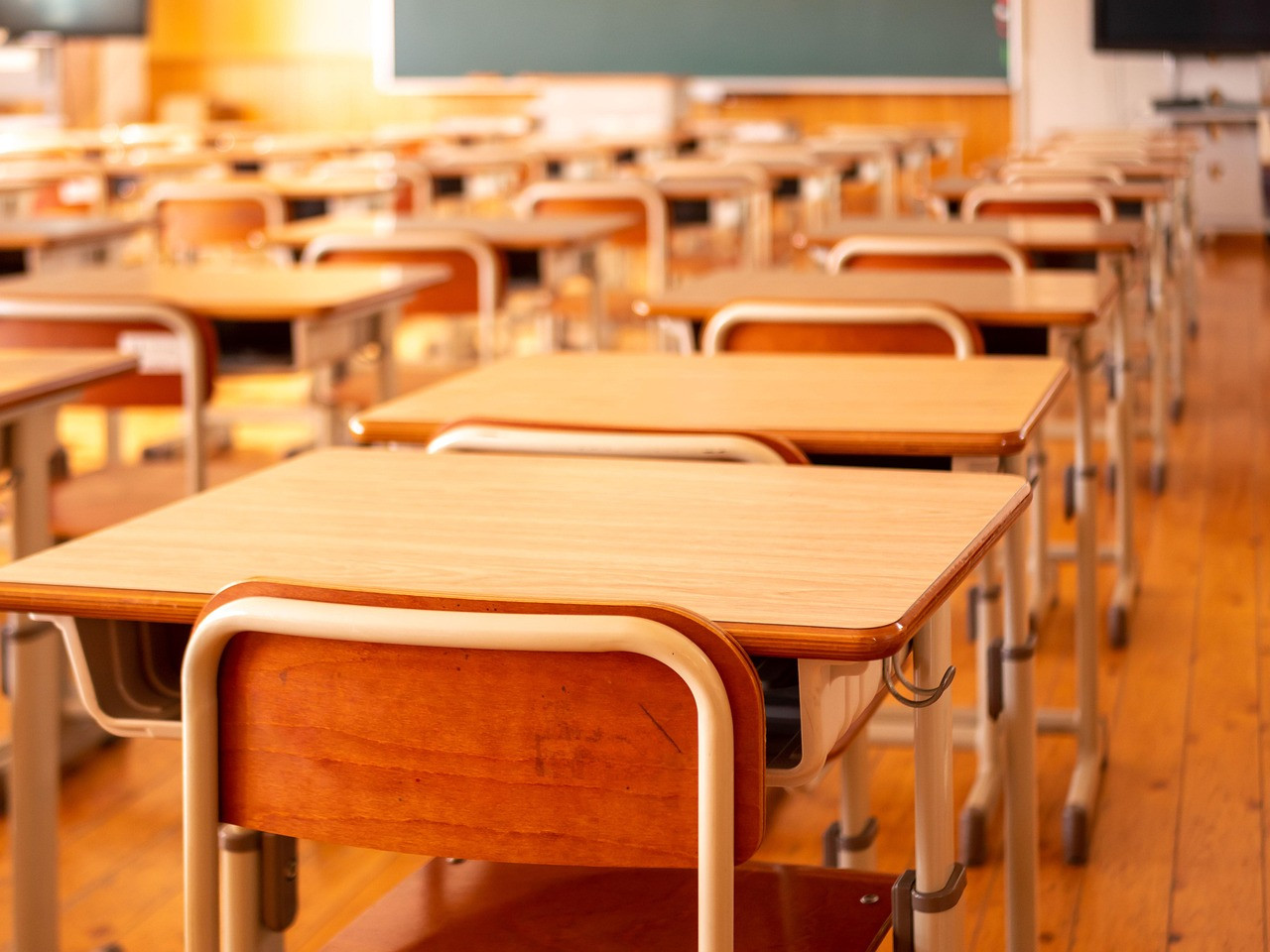
Representative image: DeltaWorks / Pixabay
Azerbaijan's new school dress rules are keeping girls in hijabs out of class; police held 37 people on October 12 and the row has strained ties with Turkey.
What Happened
The Azerbaijan school hijab ban has led to rare street protests and a public quarrel with Turkey this week. Under a government decree on school dress, girls who wear headscarves have been turned away from state schools across the country, according to Amnesty International and regional reporting, and some boys have stayed away from class in support of them. Azerbaijan's Interior Ministry said on Monday, October 12, 2026, that 37 people had been detained for disrupting public order while opposing the rules. On Tuesday, October 13, the governing New Azerbaijan Party (YAP) hit back at an adviser to Turkish President Recep Tayyip Erdogan and at Turkish ruling-party lawmakers who had asked Baku to reverse the measure.
Key Facts
- The rules come from Cabinet of Ministers Resolution No. 309, adopted on September 21, 2026. It bars extra items of clothing that break the school uniform rules or conflict with the principle of secular education.
- The decree does not mention the hijab by name, but complaints from schools show it is being applied to headscarves in practice.
- A separate rule on teachers' clothing followed on October 6. Teachers in Baku and Sumgayit have said school managers asked them to remove their hijabs or resign.
- Amnesty International says pupils and teachers in hijabs were refused entry from October 12. It cites activists who put detentions above 200; the government's own figure is 37.
- Protests by pupils, mostly teenage girls, and parents were reported in Baku and in southern districts such as Masally and Jalilabad.
- Oktay Saral, an adviser to President Erdogan, wrote on October 12 that the measures were unacceptable. YAP called his comments "populist and irresponsible".
Why It Matters
For students, the dispute is first of all about whether they can sit in a classroom. The decree itself does not say that a pupil who breaks the dress code must be sent home; it leaves questions of compliance to school councils. Yet reports from this week describe girls being stopped at school gates and told to remove their headscarves before entering. Amnesty International has called on the authorities to stop denying access to education through what it called discriminatory hijab restrictions, and to release peaceful protesters.
The government presents the rules as a matter of uniformity and secularism. The state news agency APA said the change aims to give schools a single dress code that reflects the country's secular principle. Zahid Oruj, who chairs the human rights committee of Azerbaijan's parliament, said the measure was not religious discrimination or an attack on free expression. Allahshukur Pashazade, head of the Caucasus Muslims Board, took a middle line: he described the hijab as an important religious obligation but criticised protesters for disturbing schools.
The row has also spilled across the border. Turkey and Azerbaijan are close allies. Besides Saral, Turkish ruling-party lawmakers including deputy group leader Leyla Sahin Usta urged Baku to change course. YAP replied that the policy rests on secular principles that are also written into Turkey's own constitution, and said using headscarves for political point-scoring served neither Turkish unity nor Muslim solidarity. Speaking at his party's congress, President Ilham Aliyev warned outsiders not to "interfere with our lifestyle", without naming Turkey.
For students and parents anywhere, including in India, where school dress codes have also reached the courts, the Azerbaijan case shows how a rule written in neutral words can, in practice, decide who gets to learn.
| Rule | What it covers | Date |
|---|---|---|
| Cabinet Resolution No. 309 | Pupils' school clothing; bars items against uniform and secular-education rules | September 21, 2026 |
| Teachers' dress rule | Clothing of school staff | October 6, 2026 |
| Enforcement at gates | Pupils in hijabs refused entry (Amnesty) | From October 12, 2026 |
Impact
Short-term: Girls who keep wearing headscarves are missing lessons. An activist who set up free online lessons for pupils kept out of class has gone missing, according to Amnesty. Authorities have opened a criminal case under Article 233 of the Criminal Code, which covers organising actions that disrupt public order.
Long-term: If schools keep turning pupils away, families may move girls to home study or private options, and the gap in schooling could widen. The dispute also tests one of the South Caucasus's closest alliances, between Baku and Ankara.
Who is affected: Teenage girls in state schools who wear the hijab, their classmates and parents, teachers who cover their heads, and the education system that has to apply the rule.
Key Takeaway
A dress code that never names the hijab is, in practice, keeping headscarf-wearing girls out of Azerbaijan's classrooms, and the fallout now reaches from school gates to relations with Turkey.
Questions and Answers
What is the Azerbaijan school hijab ban?
It is the effect of Cabinet Resolution No. 309, adopted on September 21, 2026, which bars extra clothing that breaks school uniform rules or conflicts with secular education. It does not name the hijab, but schools have applied it to headscarves, and girls wearing them have been refused entry.
How many people have been detained over the protests?
Azerbaijan's Interior Ministry said on October 12 that 37 people had been detained for disrupting public order. Amnesty International cites activists who say more than 200 people have been held; that figure has not been independently confirmed.
Why is Turkey involved?
An adviser to President Erdogan and several Turkish ruling-party lawmakers publicly urged Azerbaijan to reverse the rules. Azerbaijan's governing party called the criticism populist and irresponsible and said the policy follows secular principles that Turkey's constitution also contains.
Can students still study if they are turned away?
The decree leaves compliance to school councils and does not expressly allow schools to exclude pupils, but in practice many girls in headscarves have been kept out. An activist had set up free online lessons for them before going missing, Amnesty says.
Disclaimer: Prepared by the Peepals newsroom from publicly available sources with AI assistance. Information is accurate to the best of our knowledge at the time of publication and may change. Images may be representative. Not professional advice. Report an error via our contact page.
Sourced and fact-checked by the Peepals Global Editorial Team
Aaryavir Sehwag, 18, hits 173 off 143 balls for Delhi U-19 in Vinoo Mankad Trophy
UK graduates now chase school-leaver jobs as 141 apply for each graduate post
Reported, fact-checked and published by the Peepals Global Editorial Team.