
Central Railway apprentice 2026: 2,861 ITI slots open till December 2
 By Aarav DeshpandeSports Correspondent, Peepals Yuva

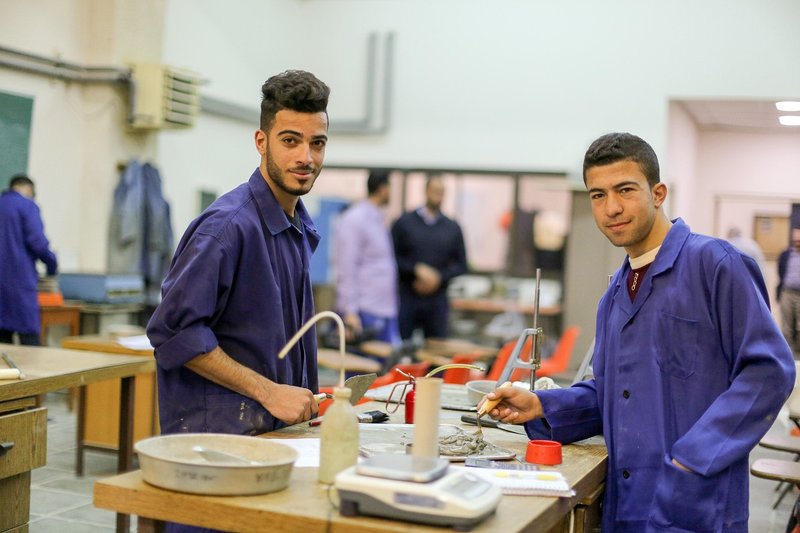
Representative image: analogicus / Pixabay
Central Railway's recruitment cell opened 2,861 Act Apprentice slots for Class 10 and ITI pass-outs on 3 November 2026; applications close on 2 December.
What Happened
The Railway Recruitment Cell of Central Railway has opened applications for 2,861 Act Apprentice training slots for young people who have passed Class 10 and hold an ITI certificate in a relevant trade. The notice, numbered RRC/CR/AA/2026 and dated Tuesday, 3 November 2026, covers five clusters: Mumbai, Bhusawal, Pune, Nagpur and Solapur. Online applications opened on 3 November and close at 5 pm on Wednesday, 2 December 2026, on the cell's website, rrccr.com. The slots are apprenticeship training places under the Apprentices Act, 1961, not permanent railway jobs.
Key Facts
- Notice: RRC/CR/AA/2026, dated 3 November 2026, from the Railway Recruitment Cell, Central Railway.
- Total: 2,861 Act Apprentice training slots.
- Clusters: Mumbai 1,712, Bhusawal 500, Pune 271, Nagpur 221 and Solapur 157, according to listings of the notice; the slots are described as provisional.
- Who can apply: Class 10 pass candidates with an ITI National Trade Certificate in the relevant trade.
- Window: online only, 3 November to 2 December 2026 (5 pm), on rrccr.com.
- Candidates may choose only one cluster; merit lists are drawn up cluster by cluster, unit by unit, trade by trade and by community.
- Training is under the Apprentices Act, 1961, and does not guarantee permanent railway employment.
Why It Matters
For an ITI pass-out, an apprenticeship with the railways is a way to turn a trade certificate into hands-on training inside a large employer. Act apprenticeships are training places set up under a national law, the Apprentices Act, 1961, so they come with a defined structure rather than an informal arrangement. For young people in the five cluster areas, this notice is a single application route into that training.
The way the slots are spread matters. Most of the places are in the Mumbai cluster. Candidates from the Bhusawal, Pune, Nagpur and Solapur areas have smaller pools to compete for, which matters because applicants can pick only one cluster and cannot switch later.
The selection rules also shape who gets in. Listings of the notice say that merit lists are prepared separately for each cluster, unit, trade and community, and some describe no separate written test or interview. That puts the weight on a candidate's existing qualifications and on picking the right cluster and trade. A candidate who applies in a crowded trade in Mumbai may face stiffer competition than one in a smaller cluster.
There is a clear limit too. An apprenticeship under the Apprentices Act is a training contract, not a job offer. The notice states that it carries no promise of permanent railway employment, so applicants should treat it as paid training and work experience, and plan their next step accordingly.
Peepals calculation: the Mumbai cluster alone accounts for about 60% of all slots (1,712 ÷ 2,861 = 0.598), more than the other four clusters combined (500 + 271 + 221 + 157 = 1,149), and the application window runs for 30 days, from 3 November to 2 December. Our calculation from the reported figures.
| Cluster | Slots |
|---|---|
| Mumbai | 1,712 |
| Bhusawal | 500 |
| Pune | 271 |
| Nagpur | 221 |
| Solapur | 157 |
Impact
Short-term: ITI pass-outs have until 5 pm on 2 December 2026 to apply online. They need to settle on one cluster and one trade before submitting, since they cannot apply to more than one cluster.
Long-term: If all slots are filled, close to 3,000 young people will get structured training under the Apprentices Act in Central Railway's units, adding to the pool of trained technicians in the region.
Who is affected: Class 10 and ITI pass-outs looking for apprenticeships in the Mumbai, Bhusawal, Pune, Nagpur and Solapur clusters; ITI institutes; and the Central Railway units that will train them.
What to watch next: The application window closes at 5 pm on Wednesday, 2 December 2026; merit lists will then be drawn up cluster-wise and trade-wise.
Key Takeaway
Central Railway's 2,861 Act Apprentice slots for Class 10 and ITI pass-outs are open for applications until 2 December 2026, with about 60% of them in the Mumbai cluster.
Questions and Answers
What is the last date for the Central Railway apprentice 2026 application?
Online applications for the 2,861 Act Apprentice slots close at 5 pm on Wednesday, 2 December 2026. They opened on 3 November 2026 on rrccr.com.
Who can apply for the Central Railway Act Apprentice slots?
Candidates who have passed Class 10 and hold an ITI National Trade Certificate in the relevant trade can apply. Each candidate can choose only one cluster.
How many slots are there in each cluster?
According to listings of the notice, Mumbai has 1,712 slots, Bhusawal 500, Pune 271, Nagpur 221 and Solapur 157, making 2,861 in all. The numbers are described as provisional.
Does a Central Railway apprenticeship lead to a permanent job?
No. The training is under the Apprentices Act, 1961, and the notice says it does not guarantee permanent employment with the railways.
Disclaimer: Prepared by the Peepals newsroom from publicly available sources with AI assistance. Information is accurate to the best of our knowledge at the time of publication and may change. Images may be representative. Not professional advice. Report an error via our contact page.
By Aarav Deshpande, Sports CorrespondentCovers Sports and more for Peepals Yuva. All stories by Aarav Deshpande
Get the day's stories in your inbox
Peepals Weekly: the week decoded, free. One email a week, unsubscribe in one click.
Aarav Deshpande is a pen name of the Peepals Global Editorial Team, which researches, fact-checks and publishes every story. The portrait is an illustration.