
20 youth teams, half from small cities, vie for Rs 2 crore at Delhi innovation finale
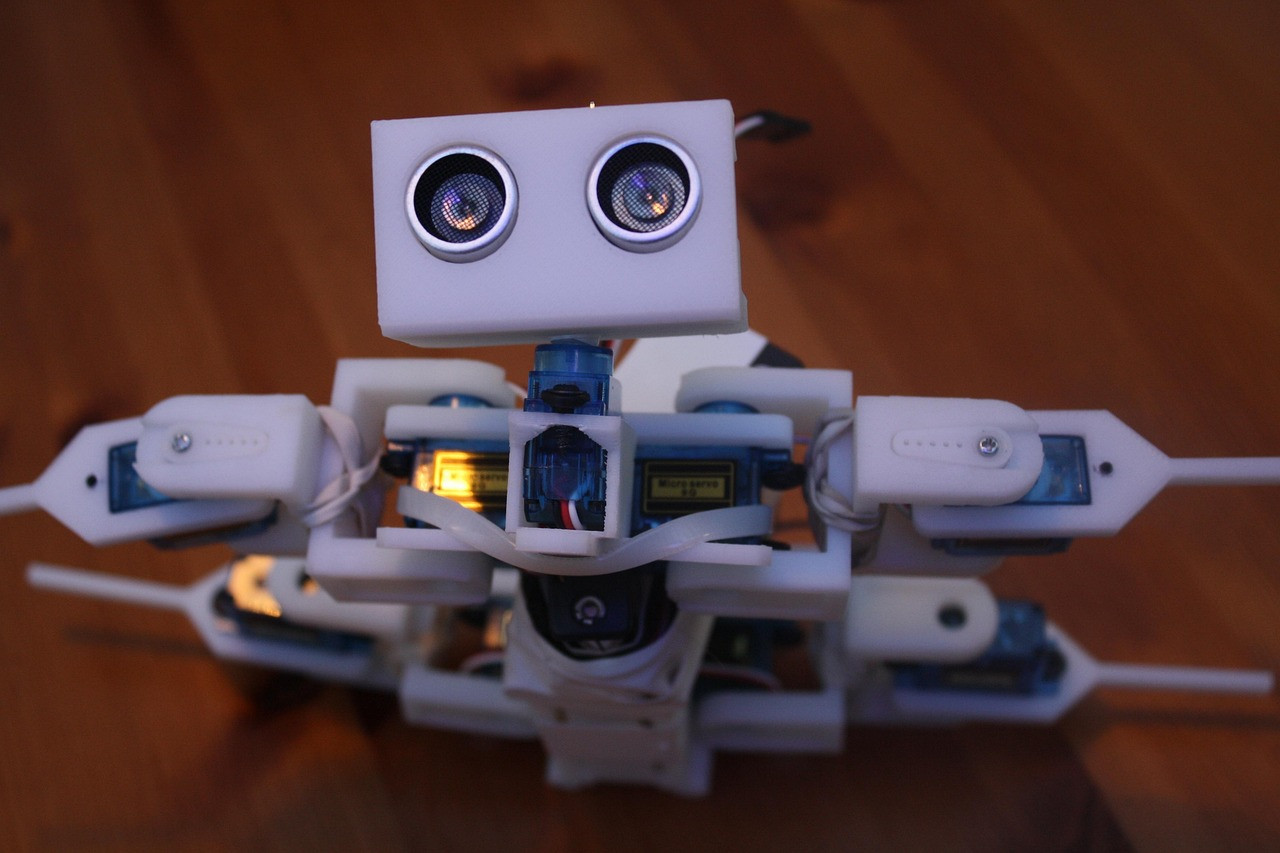
Representative image: beear / Pixabay
Twenty youth teams, more than half from Tier 2 and 3 cities, pitch in New Delhi on October 14-15, 2026 for Rs 2 crore in incubation grants.
What Happened
Twenty teams of young innovators, 36 people in all, will pitch their technology projects to a grand jury in New Delhi on Wednesday and Thursday, October 14 and 15, 2026, in the grand finale of Samsung Solve for Tomorrow 2026, the fifth Indian edition of the company's youth innovation programme. Samsung said the finalists come from 18 cities across 12 states, and that more than half of the 20 teams are from Tier 2 and Tier 3 cities. Four winning teams will share incubation grants totalling Rs 2 crore, with mentoring from the Foundation for Innovation and Technology Transfer (FITT) at IIT Delhi.
Key Facts
- The grand finale runs on October 14 and 15, 2026, in New Delhi, and ends with the winners' announcement and awards ceremony.
- There are 20 finalist teams with 36 young innovators between them.
- The teams work under four themes: AI Living for India, Health and Education, Environmental Sustainability, and Sport and Tech, with five finalists picked in each theme.
- Each of the 20 finalist teams receives Rs 1 lakh, a total of Rs 20 lakh, according to Samsung.
- Four winning teams will share Rs 2 crore in incubation grants, with mentoring from FITT, IIT Delhi.
- Finalists include teams from Sundargarh in Odisha, Chittoor and Visakhapatnam in Andhra Pradesh, Raebareli and Varanasi in Uttar Pradesh, Amritsar and SAS Nagar in Punjab, Sonipat in Haryana and Raipur in Chhattisgarh, as well as larger cities such as Bengaluru, Chennai and Mumbai.
- The 20 teams were chosen from a semi-final round of 40 teams that went through a hands-on prototyping programme run with FITT, IIT Delhi, followed by a national pitch event judged by 20 experts from Samsung's research and regional teams.
Why It Matters
For a student with an idea, the hardest step is usually the one after the idea: building a working prototype, testing it and finding money to keep going. Competitions of this kind matter because they put mentoring and early grants in the hands of people who would otherwise struggle to get either. An incubation grant tied to an established technology-transfer body such as FITT at IIT Delhi gives winners access to lab support, advice on protecting their work and contacts with investors, which can count for more than the cash.
The geography of this year's finalists is the most telling detail. Places such as Sundargarh, Chittoor, Raebareli and Raipur are not where India's start-up stories usually begin. That more than half the finalist teams come from smaller cities suggests that school and college students outside the big metros are increasingly building technology projects of their own, often aimed at problems they see around them in farming, health, schooling or the local environment.
The four themes also mirror where demand for young talent is heading. Artificial intelligence, health and education technology, climate solutions and sports technology are all areas where Indian start-ups and government programmes are putting money. Samsung's programme lists Startup India under DPIIT, the MeitY Startup Hub and NITI Aayog's Atal Innovation Mission among its partners, which gives finalists a possible route into those wider support networks.
Readers should still keep the scale in view. Twenty teams reach the finale and four win the incubation grants. For most participants, the real gains are the skills learnt in prototyping, the experience of pitching to experts and the contacts made along the way.
| Stage | What it involved |
|---|---|
| Semi-final | 40 teams in a hands-on prototyping programme with FITT, IIT Delhi |
| National pitch event | 20 experts chose five finalists in each of four themes |
| Grand finale, October 14-15 | 20 teams pitch to a grand jury in New Delhi |
| Awards | Rs 2 crore in incubation grants shared by four winning teams |
Impact
Short-term: The 20 finalist teams get exposure before a national jury this week, Rs 1 lakh per team, and the chance of incubation support. Students following the event can see what kinds of projects reach a national stage.
Long-term: If the winning teams turn their prototypes into products, the programme adds to a pipeline of young founders from smaller cities. It also gives schools and colleges outside the metros a reason to invest in tinkering labs and innovation clubs.
Who is affected: School and college students interested in building technology projects, teachers and mentors who guide them, incubators looking for early-stage ideas, and young people in Tier 2 and Tier 3 cities.
Key Takeaway
Twenty youth teams, more than half from smaller cities, compete in New Delhi on October 14 and 15, 2026 for Rs 2 crore in incubation grants backed by IIT Delhi mentoring.
Questions and Answers
When and where is the Samsung Solve for Tomorrow 2026 grand finale?
It takes place in New Delhi on October 14 and 15, 2026, and ends with the announcement of winners and an awards ceremony.
What do the winners get?
Four winning teams will share incubation grants totalling Rs 2 crore and receive mentoring from the Foundation for Innovation and Technology Transfer at IIT Delhi. All 20 finalist teams receive Rs 1 lakh each, according to Samsung.
What subjects are the finalists working on?
The projects fall under four themes: AI Living for India, Health and Education, Environmental Sustainability, and Sport and Tech. Five finalist teams were chosen in each theme.
Can a student who missed this year still take part in such programmes?
This edition's entries are closed, but students can watch for the next edition's call on Samsung's official programme page and look at other youth innovation routes, such as Atal Tinkering Labs and college incubation cells, that support early prototypes.
Disclaimer: Prepared by the Peepals newsroom from publicly available sources with AI assistance. Information is accurate to the best of our knowledge at the time of publication and may change. Images may be representative. Not professional advice. Report an error via our contact page.
Sourced and fact-checked by the Peepals Global Editorial Team
GTA 6 leaker threatens full-game release tied to memecoin; claims unverified
US subpoenas Harvard, MIT and 7 more universities in J-1 researcher visa probe
Reported, fact-checked and published by the Peepals Global Editorial Team.