
UNC strikes Trump administration education deal: no payment, new campus rules
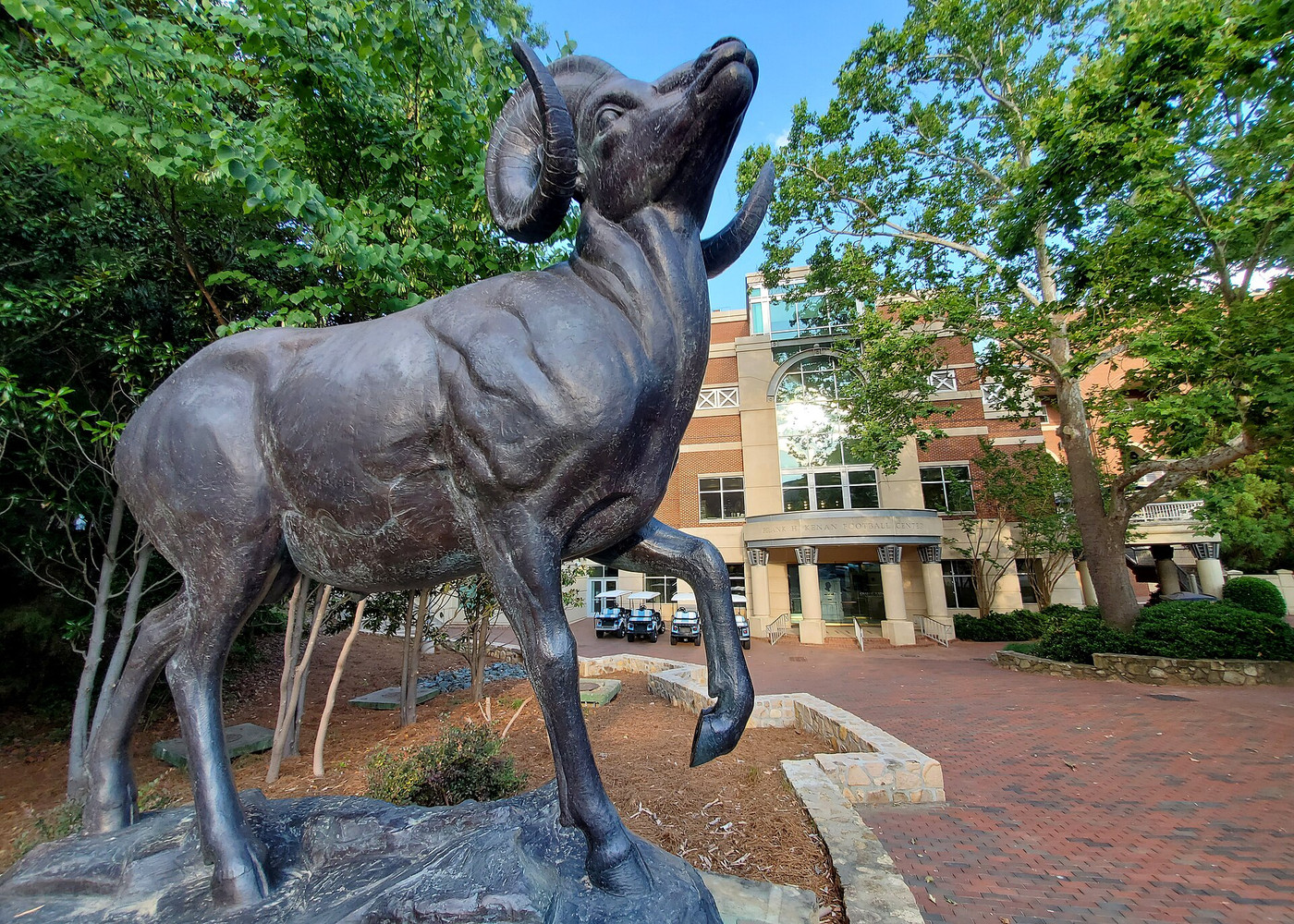
File photo: CramBetter.com (CC BY 4.0), via Wikimedia Commons
UNC-Chapel Hill settled with the Trump administration on October 19, 2026, closing federal probes and keeping funding without payment, in return for new campus rules.
What Happened
The University of North Carolina at Chapel Hill (UNC) has reached a settlement with the Trump administration that ends a set of federal civil rights investigations and keeps the university eligible for federal funding, it was announced on Monday, October 19, 2026. Unlike several other universities that have struck deals with the administration, UNC will pay no money and admits no wrongdoing. In return, it has agreed to a list of conditions on admissions, training, campus rules and reporting that run until December 31, 2028.
Key Facts
- Parties: the University of North Carolina at Chapel Hill and the US Departments of Education and Justice.
- Announced: Monday, October 19, 2026.
- Investigations closed: the Education Department's Office for Civil Rights will close 18 investigations and the Justice Department will end a compliance review; some reports count 19 probes in total. They related to allegations of antisemitism and race discrimination.
- Money: UNC pays nothing and stays eligible for federal funding; it does not admit any wrongdoing.
- Conditions: no use of race, race data or programmes that consider protected characteristics; mandatory antisemitism training for students and staff; a ban on face masks on campus, with people wearing them required to show identification when asked by a university official; and new admissions rules.
- Oversight: UNC must appoint and pay for a "Merit and Civil Rights Administrator" who reports quarterly to the Justice Department until December 31, 2028.
- Comparison: Brown University earlier agreed to pay $50 million to local workforce programmes over a decade as part of its own deal.
Why It Matters
American universities depend heavily on federal money for research, student aid and programmes. The Trump administration has struck deals with several universities facing federal investigations, and most of those deals have involved payments, such as Brown University's $50 million. UNC's deal stands out because it involves no payment, and the Justice Department has presented it as a model for other universities facing federal scrutiny.
The conditions will change daily life on campus. Students and staff will have to take antisemitism training, and the mask rule means people covering their faces must identify themselves if asked. The admissions rules and ban on using race data aim to ensure that race plays no part in decisions. UNC has said the deal is not an admission that it broke civil rights law and that the cost of carrying it out should be in line with ordinary operating expenses.
For students thinking about studying in the United States, including many from India, deals like this show how the policy climate at American universities is shifting. Campus rules on protests, identification and admissions are being reshaped by agreements with the federal government, and such terms can affect student life, activism and the diversity programmes that many international students have relied on for support.
What students should do next: anyone applying to or studying at a US university should read the institution's official notices on new campus rules, keep track of changes to admissions policies, and follow guidance from their university's international student office.
Impact
Short-term: UNC must put the conditions in place, including training programmes, the mask rule and the appointment of the oversight administrator, and begin quarterly reporting.
Long-term: If other universities follow the UNC model, more campuses may adopt similar rules on admissions, masks and training without paying settlements. The agreement's effect will be tested over its term, which ends on December 31, 2028.
Who is affected: UNC students, faculty and staff; applicants to UNC, including international students; other US universities under federal investigation; and civil rights and student groups that follow campus policy.
Key Takeaway
UNC-Chapel Hill settled with the Trump administration on October 19, 2026, ending federal probes and keeping its funding without paying any money, in return for conditions on admissions, training, masks and oversight until 2028.
Questions and Answers
What is the UNC and Trump administration education deal?
It is a settlement announced on October 19, 2026, under which federal investigations into UNC-Chapel Hill are closed and the university keeps federal funding. UNC pays nothing and admits no wrongdoing but accepts conditions until December 31, 2028.
What conditions did UNC agree to?
UNC agreed not to use race or race data in its programmes and admissions, to require antisemitism training, to ban face masks with an identification requirement, to adopt new admissions rules and to fund an administrator who reports quarterly to the Justice Department.
Did UNC pay money to settle?
No. Unlike Brown University, which agreed to pay $50 million to workforce programmes, UNC will pay nothing under its deal.
What should Indian students applying to US universities take from this?
Campus rules and admissions policies at US universities are changing under agreements like this one. Students should read official university notices and follow guidance from international student offices.
Disclaimer: Prepared by the Peepals newsroom from publicly available sources with AI assistance. Information is accurate to the best of our knowledge at the time of publication and may change. Images may be representative. Not professional advice. Report an error via our contact page.
Sourced and fact-checked by the Peepals Global Editorial Team
Kimi Antonelli, 20, can clinch F1 title at US Grand Prix: what he needs
ITPO opens 46 jobs for graduates using SSC 2024 scores, no new exam
Reported, fact-checked and published by the Peepals Global Editorial Team.