
Air India Frankfurt-Delhi flight diverted to Jaipur after hijack alert; cleared later
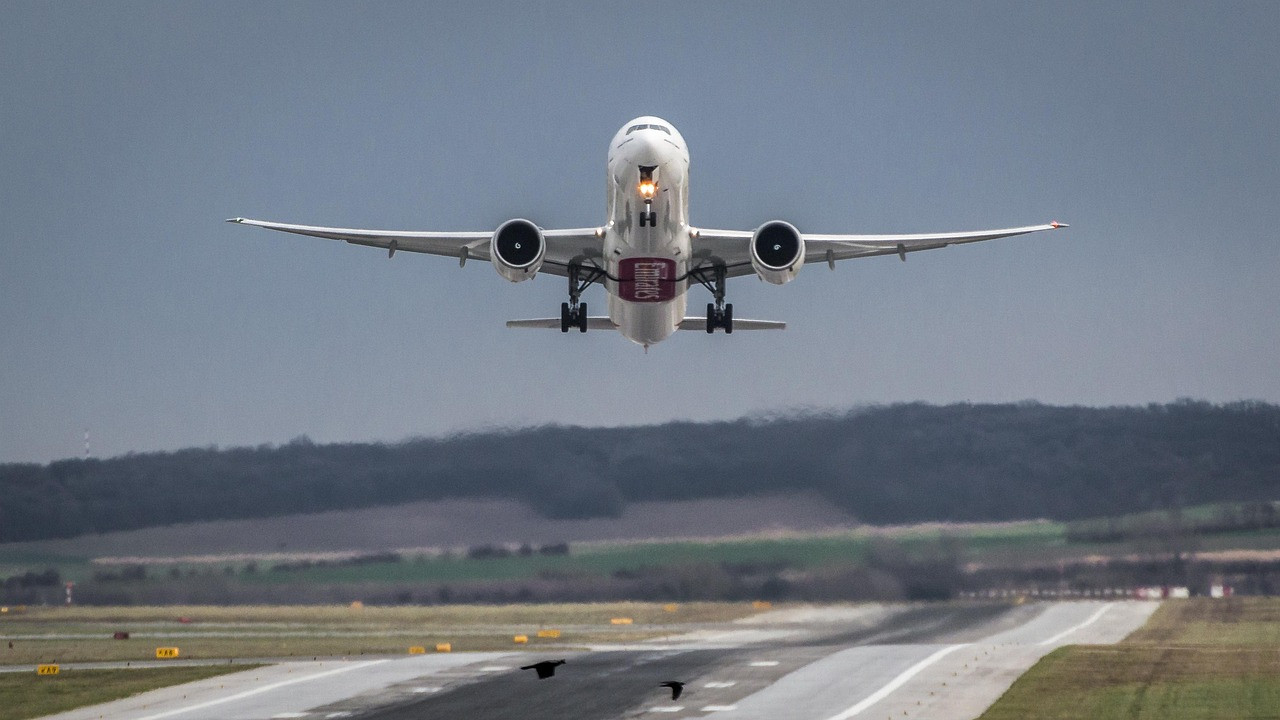
Representative image: pixifant / Pixabay
Air India's Frankfurt-Delhi flight AI2030 landed in Jaipur on October 14, 2026 after a hijack alert code was sent; checks found no threat and it flew on to Delhi.
What Happened
Air India flight AI2030 from Frankfurt to Delhi was diverted to Jaipur on the morning of Wednesday, October 14, 2026, after the aircraft briefly transmitted the international code for a hijacking. The Boeing 787-9, carrying around 293 passengers and 13 crew members according to reports, landed at Jaipur International Airport at about 9.35 to 9.45 am and was moved to an isolated bay. Security agencies checked the plane, passengers and crew. Air India said the diversion followed "a perceived security concern" and that the aircraft and crew were cleared after the checks. All passengers were reported safe, reboarded the same aircraft and continued to Delhi. The Directorate General of Civil Aviation (DGCA) has opened an inquiry into what triggered the alert.
Key Facts
- Flight: AI2030, Frankfurt to Delhi, a Boeing 787-9.
- On board: around 293 passengers and 13 crew, according to reports.
- Reports say the pilot sent "squawk 7500", the code for unlawful interference such as a hijacking, for a few seconds.
- Ahmedabad air traffic control received the emergency signal, prompting the diversion.
- Central Industrial Security Force personnel, local police and bomb detection teams checked the aircraft; reports said a National Security Guard team was put on standby.
- Jaipur airport's head, Charan Singh, indicated the alert may have been set off by accident; investigators have not confirmed the cause.
- After checks, the aircraft was cleared and flew to Delhi with the same passengers.
Why It Matters
A transponder code is a number that an aircraft sends to air traffic control, and 7500 is the code used internationally to signal unlawful interference such as a hijacking. Because the code can signal a real hijacking, controllers and security agencies must treat it as genuine until proven otherwise. That is why the flight was taken to an isolation bay, why both pilots were taken off the plane and why national security teams were alerted, even though early indications pointed to a mistake.
For travellers, the episode explains what happens during such diversions. Passengers were taken to the terminal, put through security checks and then allowed to reboard. Air India said in its statement: "The relevant security agencies carried out the necessary checks and have cleared the aircraft and crew. All passengers were disembarked, underwent security checks, and have since reboarded the aircraft." The delay was a matter of hours rather than an overnight disruption.
Reports have not been consistent on the nature of the threat. A police officer in Jaipur, Assistant Commissioner Shiv Dayal, was quoted as referring to a bomb threat, while an airport official said the alert concerned a suspected hijacking, not a bomb. Most accounts agree that the trigger was the 7500 code. The DGCA inquiry is expected to establish whether it was a cockpit error, a technical fault or something else.
| Item | Detail |
|---|---|
| Flight | AI2030, Frankfurt to Delhi |
| Aircraft | Boeing 787-9 |
| Diverted to | Jaipur International Airport |
| Trigger | Brief transmission of hijack code 7500, per reports |
| Outcome | Cleared after checks; flew on to Delhi |
Impact
Short-term: Passengers of AI2030 reached Delhi several hours late. The DGCA's investigation will look at the cockpit crew's actions and the aircraft's systems, and the pilots may face questions about how the code was sent.
Long-term: If the alert proves accidental, the findings could lead to reminders or training for crews on transponder handling. Agencies will also review how quickly they confirmed the alert was false.
Who is affected: Passengers and crew of the flight, Air India, Jaipur airport and its security staff, travellers on connecting flights in Delhi, and aviation regulators.
Key Takeaway
A brief hijack code sent from Air India's Frankfurt-Delhi flight forced a precautionary landing in Jaipur, but checks found no threat and the DGCA is now investigating the cause.
Questions and Answers
Why was the Air India Frankfurt-Delhi flight diverted to Jaipur?
Reports say the aircraft briefly transmitted squawk code 7500, which signals a hijacking or unlawful interference. Air traffic control in Ahmedabad picked it up and the flight was diverted to Jaipur as a precaution on October 14, 2026.
Were the passengers safe?
Yes. All passengers and crew were reported safe. They left the aircraft, went through security checks and reboarded the same plane, which then flew to Delhi.
Was it a real hijacking?
No hijacking was found. Security agencies cleared the aircraft and crew, and Jaipur airport's head suggested the alert may have been triggered accidentally. The DGCA is investigating.
What does squawk 7500 mean?
It is a transponder code pilots use to tell air traffic control the aircraft is facing unlawful interference, such as a hijacking, so security agencies treat it as an emergency.
Disclaimer: Prepared by the Peepals newsroom from publicly available sources with AI assistance. Information is accurate to the best of our knowledge at the time of publication and may change. Images may be representative. Not professional advice. Report an error via our contact page.
Sourced and fact-checked by the Peepals Global Editorial Team
Udta Teer second trailer out; Ayushmann-Sara spy comedy opens October 23
ECINet and Form 7: EC caps voter deletion requests at 10 per person during roll revision
Reported, fact-checked and published by the Peepals Global Editorial Team.