
60,000 schools join PRASHAST inclusive education drive; 72 lakh teachers trained
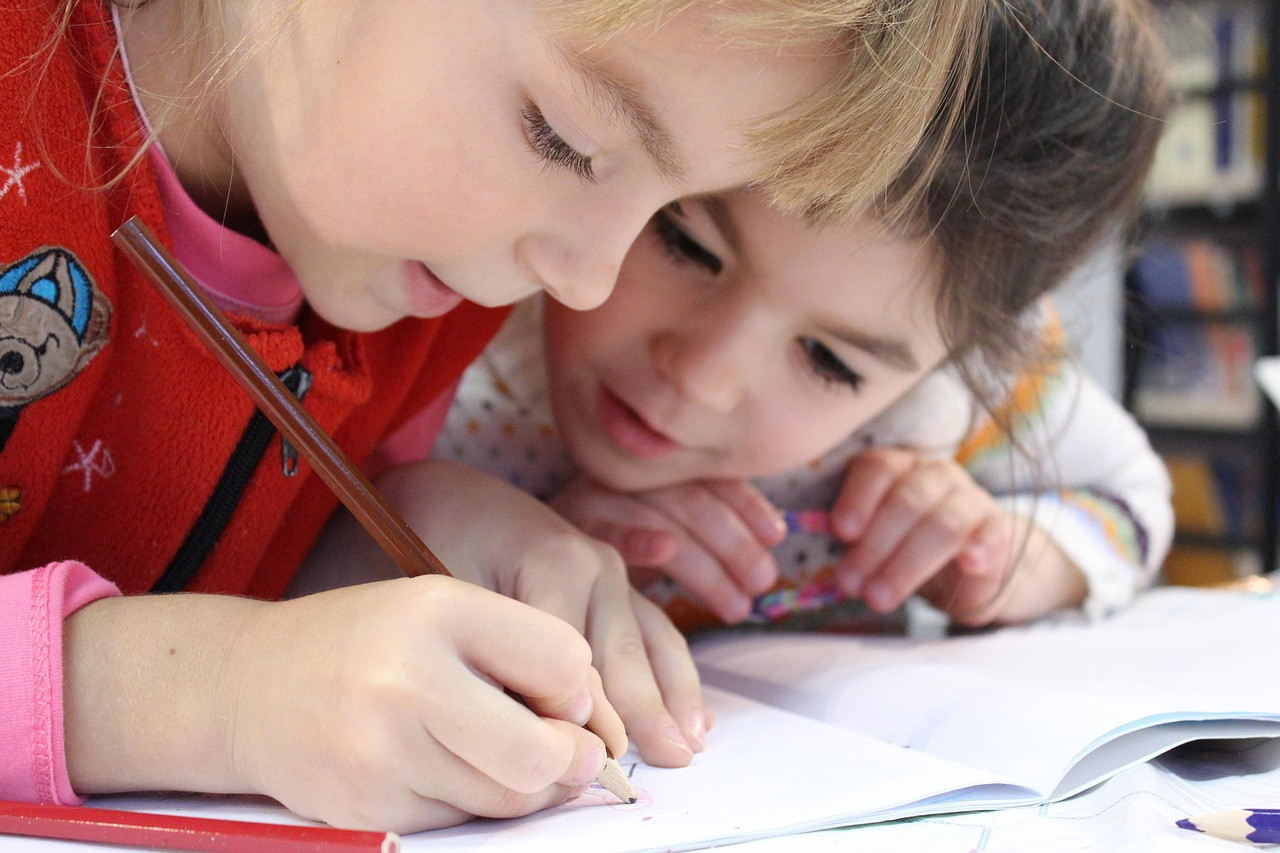
Representative image: klimkin / Pixabay
Over 60,000 schools joined the Education Ministry's 8 October 2026 screening of an inclusive education module on PRASHAST; 72 lakh teachers trained so far.
What Happened
More than 60,000 schools across India took part in a nationwide screening of a short training module on including children with special needs in ordinary classrooms, the Department of School Education and Literacy in the Ministry of Education said on Thursday, 8 October 2026. The 30-minute sensitisation module was shown through PRASHAST, the government's school-based disability screening tool, to school heads, teachers, special educators and non-teaching staff. The ministry said more than 72 lakh teachers have already gone through the module during a three-month sensitisation drive, and that school participation was expected to keep rising through the month.
Key Facts
- Date of the nationwide screening: 8 October 2026; CBSE had asked its affiliated schools to run the module on 7 October.
- Participation: more than 60,000 schools, according to the ministry.
- Teachers sensitised so far: more than 72 lakh, over about three months.
- Format: a 30-minute module, available in 12 Indian languages.
- Audience: school heads, teachers and special educators, plus non-teaching staff such as drivers, clerks and wardens.
- PRASHAST is a two-part checklist, developed by NCERT's Central Institute of Educational Technology, for spotting signs of the 21 disabilities listed in the Rights of Persons with Disabilities Act, 2016.
Why It Matters
Children with disabilities are entitled to study in regular schools, but many are never identified or supported. A child with a learning disability, a hearing difficulty or autism may simply be labelled slow or naughty, fall behind and drop out. Early identification is the first step to help, from a hearing aid or a front-row seat to extra time in examinations or a referral to a specialist.
PRASHAST is designed to make that first step part of everyday school work. In Part 1, a regular class teacher goes through a checklist for each student. In Part 2, special educators, counsellors or school heads review the flagged cases and, where needed, refer the child for formal medical assessment and certification. The tool does not diagnose a disability; it helps teachers notice signs and refer.
That is why the sensitisation module matters. A checklist works only if the people using it understand what they are looking for and treat the children with respect. By training not just teachers but also drivers, clerks and wardens, the ministry is treating inclusion as the job of the whole school rather than leaving it to a special educator alone.
The numbers are large on paper. The real test, however, will come later, in how many children are screened, referred and actually receive support. The ministry's figures so far measure training, not outcomes for children, and parents and teachers will want to see those results reported.
| | Item | Detail | |
|---|---|
| | Schools in the 8 October screening | More than 60,000 | |
| | Teachers sensitised in three months | More than 72 lakh | |
| | Module length | 30 minutes | |
| | Languages | 12 Indian languages | |
Impact
Short-term: More teachers and school staff know how to recognise signs of disability and how to use the PRASHAST checklist, and more schools are likely to begin screening students during the current session.
Long-term: If screening leads to timely referral and certification, more children with disabilities could get aids, classroom adjustments and exam accommodations, and stay in school longer.
Who is affected: Children with disabilities and their parents, class teachers, special educators, school heads, non-teaching staff, and state education departments that must arrange assessments and support after referral.
Key Takeaway
Over 60,000 schools joined the Education Ministry's 8 October 2026 screening of a 30-minute inclusive education module, part of a drive that has trained more than 72 lakh teachers to use the PRASHAST disability checklist.
Questions and Answers
What is PRASHAST?
It is a two-part disability screening checklist and digital tool for schools, developed by NCERT, that helps teachers spot signs of the 21 disabilities listed in the Rights of Persons with Disabilities Act, 2016, and refer children for formal assessment.
Does PRASHAST diagnose a child's disability?
No. It is a screening tool. Teachers flag possible signs, special educators review the cases, and children are referred for medical assessment and certification where needed.
Who was the 8 October 2026 module meant for?
School heads, teachers, special educators and non-teaching staff such as drivers, clerks and wardens, so that the whole school understands inclusive education.
How many teachers have been trained so far?
The Ministry of Education says more than 72 lakh teachers have been sensitised through the PRASHAST module in about three months.
Disclaimer: Prepared by the Peepals newsroom from publicly available sources with AI assistance. Information is accurate to the best of our knowledge at the time of publication and may change. Images may be representative. Not professional advice. Report an error via our contact page.
Sourced and fact-checked by the Peepals Global Editorial Team
Reported, fact-checked and published by the Peepals Global Editorial Team.