
Ball Corporation Meerut can plant: Rs 2,913 crore, production from 2029
 By Siddharth VermaBusiness Correspondent, Peepals Bharat
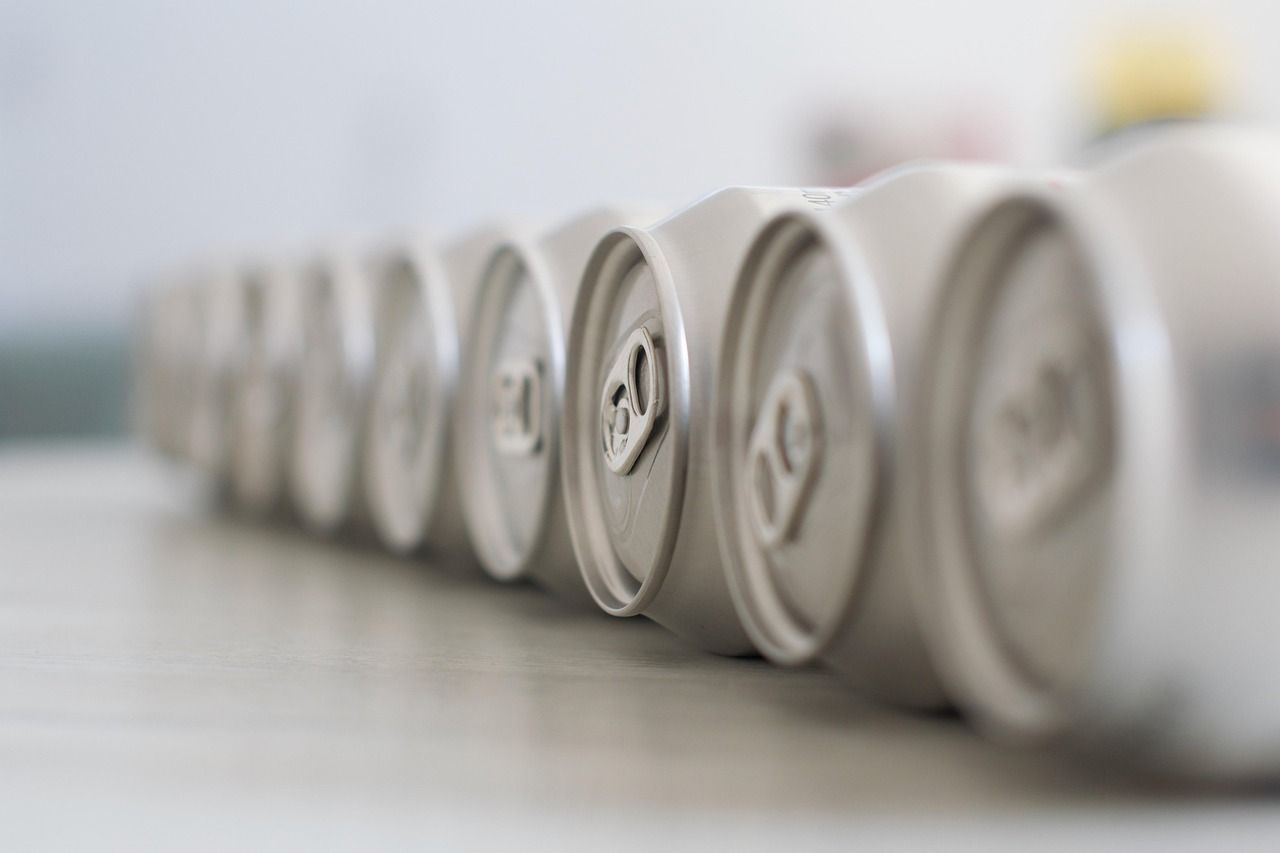
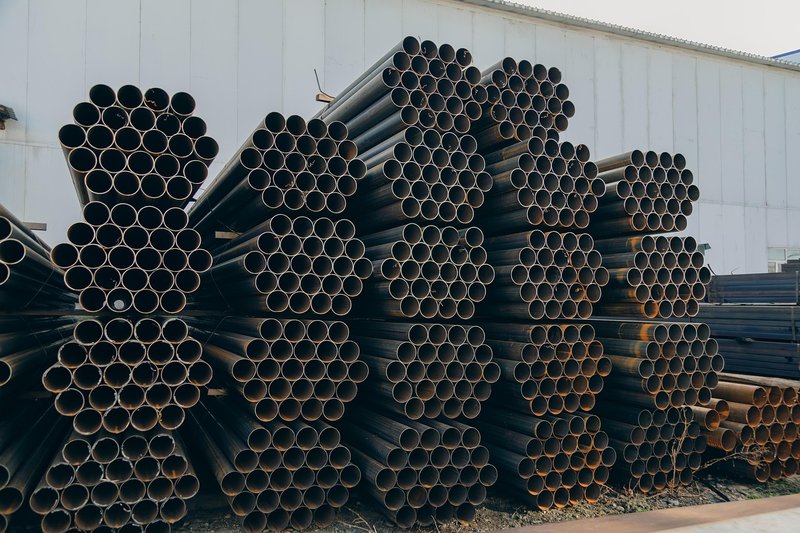
Representative image: campbellstogether / Pixabay
Ball Corporation broke ground on 25 November on a two-line aluminium can plant in Meerut, its third in India, with production due in 2029.
Ball Corporation Meerut: what happened
Ball Corporation, the US-based maker of aluminium drinks cans, broke ground on Wednesday, 25 November 2026, on a new beverage can factory in Meerut, Uttar Pradesh. Chief Minister Yogi Adityanath laid the foundation stone virtually. The two-line plant, at the Integrated Manufacturing and Logistics Cluster along the Ganga Expressway, will be Ball's third in India, and the company expects production to start in 2029.
Ball Corporation Meerut: key facts
- Investment: about Rs 2,913 crore, roughly $300 million, in trade-press accounts of the company's plans; the state government has described it as a Rs 3,000 crore project.
- Site: the Integrated Manufacturing and Logistics Cluster beside the Ganga Expressway in Meerut.
- Capacity: two can-making lines; the company says the expansion is backed by customer contracts.
- Production is expected to begin in 2029.
- Ball's existing Indian plants are at Taloja in Maharashtra and Sri City in Andhra Pradesh; Meerut gives it a base in the north.
- The Chief Minister called the project an anchor unit and said it would create thousands of direct and indirect jobs; no job figure from the company was published.
- Ball has said only about 3% of packaged drinks sold in India today come in a can.
Ball Corporation Meerut: why it matters
India's packaged drinks market has long relied on plastic bottles and glass. Cans are a small share today, which is exactly why global can makers are adding capacity here: the company's own estimate that only around 3% of packaged drinks are sold in cans points to the room it sees for growth. A plant in western Uttar Pradesh puts production close to the large drinks markets of north India, cutting the distance cans must travel from the existing plants in the west and south.
For Uttar Pradesh, the project is part of a push to fill the industrial clusters being built along new expressways with large anchor investors. An anchor unit is a big factory that draws smaller suppliers around it. The Chief Minister said the state has around one crore micro, small and medium enterprises and more than 25,000 start-ups, and the state government expects the plant to open business for local packaging suppliers, logistics firms and recyclers. Aluminium cans can be recycled repeatedly, so a collection and recycling network around the plant is one of the spin-off businesses the state is counting on.
The investment also comes as other can makers look at the same region. Crown Holdings and Canpack India both have plans for can plants at Unnao. If all go ahead, western and central Uttar Pradesh could become a hub for drinks packaging.
There are limits to what is known. The company has not given an annual capacity figure for the plant, and the job estimate comes from the state government rather than from Ball. Production is three years away, so the jobs and supplier contracts will build up gradually.
Peepals calculation: The Meerut investment of about Rs 2,913 crore across two lines works out to roughly Rs 1,456 crore per production line (2,913 ÷ 2). Our calculation from the reported figures.
| Ball's plants in India | State | Status |
|---|---|---|
| Taloja | Maharashtra | Operating |
| Sri City | Andhra Pradesh | Operating |
| Meerut | Uttar Pradesh | Ground broken 25 Nov 2026, production expected 2029 |
Ball Corporation Meerut: impact
Short-term: Construction work begins on the Meerut site, bringing contracts for builders and equipment suppliers in the Meerut region.
Long-term: Once running, the plant should add can supply for drinks makers in north India and create work for local suppliers, transporters and recyclers, while adding to competition in the Indian can market.
Who is affected: Drinks companies that buy cans, packaging and logistics MSMEs in western Uttar Pradesh, job-seekers in the Meerut region, and other can makers planning plants in the state.
What to watch next: The start of production in 2029, and the progress of the Crown Holdings and Canpack India plants at Unnao.
Ball Corporation Meerut: key takeaway
Small packaging, transport and recycling firms in the Meerut region should follow the plant's supplier tenders as construction moves towards the 2029 start of production.
Ball Corporation Meerut: questions and answers
Where exactly is Ball Corporation's Meerut plant?
It is in the Integrated Manufacturing and Logistics Cluster along the Ganga Expressway in Meerut, Uttar Pradesh.
How much is Ball investing in the Meerut plant?
About Rs 2,913 crore, or roughly $300 million, by the figures in trade-press accounts; the Uttar Pradesh government describes it as a Rs 3,000 crore project.
When will the Meerut plant start making cans?
Production is expected to begin in 2029.
How many jobs will the plant create?
Ball has not published a figure. Chief Minister Yogi Adityanath said it would create thousands of direct and indirect jobs, including work for local suppliers and recyclers.
Disclaimer: Prepared by the Peepals newsroom from publicly available sources with AI assistance. Information is accurate to the best of our knowledge at the time of publication and may change. Images may be representative. Not professional advice. Report an error via our contact page.
By Siddharth Verma, Business CorrespondentCovers Business and more for Peepals Bharat. All stories by Siddharth Verma
Hanuman Ansh SonyLIV: Neem Karoli Baba film streams from November 27
Finnable raises Rs 405 crore Series C led by Bharat Value Fund
Your week ahead, every Sunday. Free.
Exam and result dates, IPOs opening, scheme deadlines, government holidays and the RBI decision for the next 7 days, plus the week's top stories. One email a week, unsubscribe in one click.
Siddharth Verma is a pen name of the Peepals Global Editorial Team, which researches, fact-checks and publishes every story. The portrait is an illustration.
Responsible for this story: the Peepals Global Editorial Team. How we report