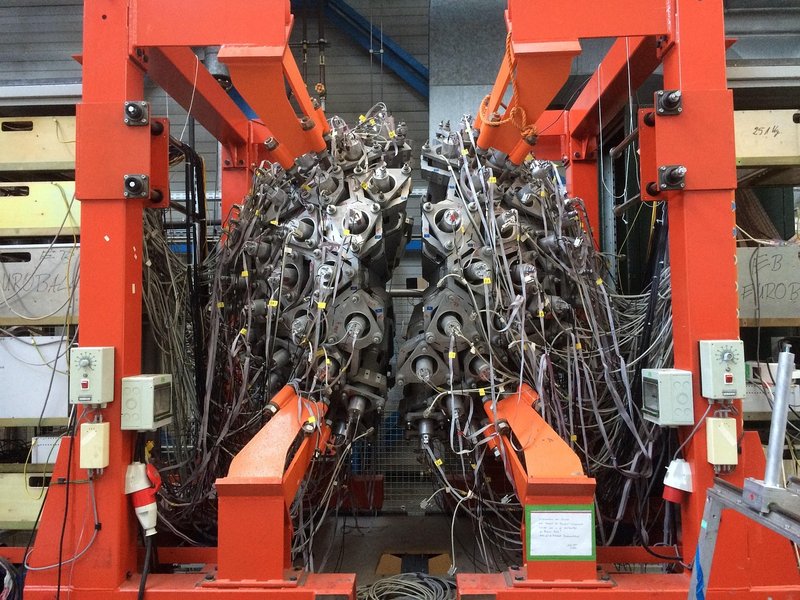

CIE manufacturing scheme: Rs 11,000 crore for cranes, tunnel boring machines
 By Siddharth VermaBusiness Correspondent, Peepals Bharat
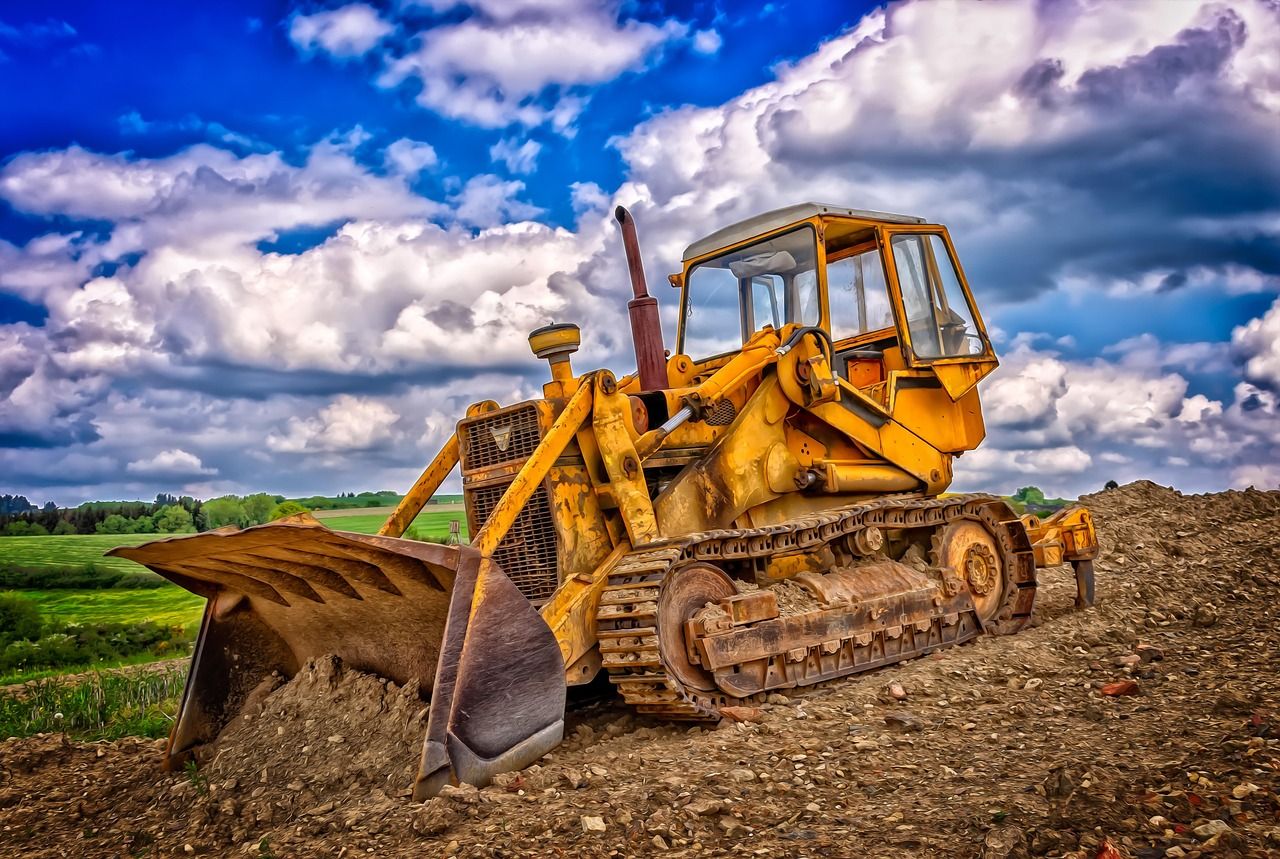
Representative image: Tama66 / Pixabay
The Cabinet on 25 November 2026 cleared an Rs 11,000 crore scheme with 13% to 8% sales incentives for Indian construction equipment makers.
CIE scheme: what happened
The Union Cabinet on Wednesday, 25 November 2026, approved an Rs 11,000 crore scheme to build up India's manufacturing of construction and infrastructure equipment (CIE), the heavy machines used to dig tunnels, load ships and move earth on highway and metro projects. The Scheme for Enhancement of Construction and Infrastructure Equipment (CIE) Manufacturing Ecosystem will be run by the Ministry of Heavy Industries. It pays sales-linked incentives to equipment makers and their component suppliers and funds a dedicated national testing facility for such machines.
CIE scheme: key facts
- Outlay: Rs 11,000 crore, approved by the Cabinet chaired by Prime Minister Narendra Modi on 25 November 2026.
- Products covered include ship-to-shore cranes, tunnel boring machines, hydraulic excavators and off-highway trucks.
- Two kinds of companies can apply: original equipment manufacturers (OEMs) and component manufacturers.
- Incentives are paid on incremental sales, with graded rates falling from 13% to 8% over five years.
- Timeline: a two-year gestation period, 2026-27 and 2027-28, to set up plants, then five years of incentive payments from 2028-29 to 2032-33.
- Up to Rs 375 crore, as viability gap funding, is set aside for a dedicated CIE testing facility.
- The government expects the scheme to attract about Rs 21,000 crore of investment.
CIE scheme: why it matters
India is spending heavily on roads, metros, ports and mountain tunnels, and the government says the scheme is meant to cut its reliance on imported machinery, much of it from China. The scheme was first announced in the Union Budget for 2026-27, where the finance minister described it as a push to make high-value, technologically advanced construction equipment at home, citing tunnel boring machines for metros and high-altitude roads as an example. Ministers framed the Cabinet approval as a step towards self-reliance and supply-chain security.
The design is similar to the production-linked incentive schemes used for phones and electronics: companies are rewarded only for extra sales over a base, not for simply setting up. Including component makers is important, because a domestic excavator or crane built from imported parts would do little for the supply chain. The two-year gestation period recognises that plants for large machines take time to build.
The testing facility may be the less noticed but more lasting part. Heavy machines must be checked for safety and performance before contractors will trust them, and a dedicated testing facility in the country, which the scheme supports, could serve the whole industry rather than only the companies that win incentives.
Peepals calculation: the government's investment target of Rs 21,000 crore is about 1.9 times the scheme's Rs 11,000 crore outlay (21,000 ÷ 11,000 ≈ 1.91), so each rupee of incentive is expected to draw nearly two rupees of company investment. The testing facility grant of up to Rs 375 crore is about 3.4% of the total outlay (375 ÷ 11,000 ≈ 0.034). Our calculation from the reported figures.
| Feature | Detail |
|---|---|
| Outlay | Rs 11,000 crore |
| Gestation period | 2026-27 to 2027-28 |
| Incentive years | 2028-29 to 2032-33 |
| Incentive rate | 13% falling to 8% of incremental sales |
| Testing facility | Up to Rs 375 crore viability gap funding |
CIE scheme: impact
Short-term: Equipment makers and component suppliers will study the scheme's guidelines and prepare applications, and those that qualify have two years to put up or expand factories.
Long-term: If it works, contractors building metros, ports and highways could buy more locally made machines and spares, with shorter delivery times and less exposure to foreign supply disruptions.
Who is affected: Construction equipment makers and their parts suppliers, infrastructure contractors, port and metro operators, and workers in heavy engineering clusters.
What to watch next: The Ministry of Heavy Industries will set out the detailed guidelines and the application process for OEMs and component makers.
CIE scheme: key takeaway
For manufacturers, the window that matters is the 2026-27 to 2027-28 gestation period: plants must be ready before incentives start in 2028-29.
CIE scheme: questions and answers
What is the CIE manufacturing scheme?
It is an Rs 11,000 crore Union government scheme, approved on 25 November 2026, that pays sales-linked incentives to companies making construction and infrastructure equipment and their components in India, and funds a national testing facility.
Which machines does the scheme cover?
The products named include ship-to-shore cranes, tunnel boring machines, hydraulic excavators and off-highway trucks.
When will companies receive incentives?
After a two-year set-up period in 2026-27 and 2027-28, incentives are paid over five years from 2028-29 to 2032-33, at rates falling from 13% to 8% of incremental sales.
Which ministry runs it?
The Ministry of Heavy Industries will implement the scheme.
Disclaimer: Prepared by the Peepals newsroom from publicly available sources with AI assistance. Information is accurate to the best of our knowledge at the time of publication and may change. Images may be representative. Not professional advice. Report an error via our contact page.
By Siddharth Verma, Business CorrespondentCovers Business and more for Peepals Bharat. All stories by Siddharth Verma
Dalimb trailer: Jitendra Kumar's ZEE5 thriller premieres December 4
India Post Estates Management Scheme: Cabinet clears Rs 1,491 crore to 2031
Your week ahead, every Sunday. Free.
Exam and result dates, IPOs opening, scheme deadlines, government holidays and the RBI decision for the next 7 days, plus the week's top stories. One email a week, unsubscribe in one click.
Siddharth Verma is a pen name of the Peepals Global Editorial Team, which researches, fact-checks and publishes every story. The portrait is an illustration.
Responsible for this story: the Peepals Global Editorial Team. How we report