
Bengaluru airport begins mixed-mode runway shift from November 11
 By Aditi KulkarniEducation Writer, Peepals Bharat
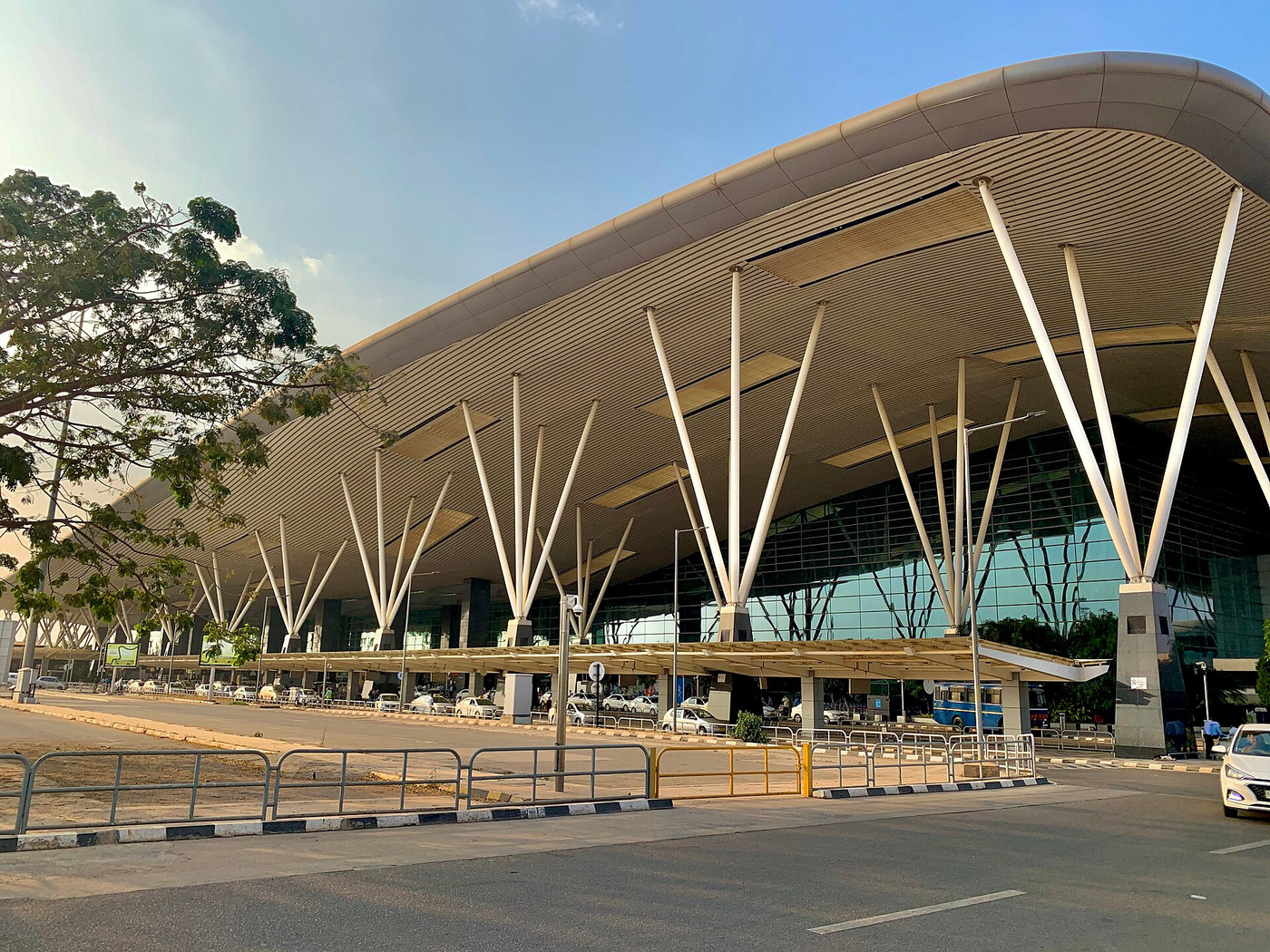
File photo: Ank Kumar (CC BY-SA 4.0), via Wikimedia Commons
Bengaluru's Kempegowda airport starts a phased move to mixed-mode runway operations on 11 November 2026 after DGCA approval, aiming for 85-90 flights an hour.
What Happened
Bengaluru's Kempegowda International Airport (KIA) will begin moving its two runways towards "mixed-mode" operations from Wednesday, 11 November 2026, after the aviation regulator, the Directorate General of Civil Aviation (DGCA), gave approval on Tuesday, 3 November, according to airport sources. In mixed mode, both runways can be used for take-offs and landings at the same time, instead of one runway mainly for arrivals and the other mainly for departures. The change is expected to raise the number of flights the airport can handle in an hour from about 60 to 85-90, and to cut delays, taxiing time and fuel use.
Key Facts
- Approval: DGCA cleared the plan on 3 November 2026, according to airport sources.
- Start: a phased transition begins on 11 November 2026.
- Phase one: the main arrival and departure runways will be swapped, while operations stay segregated, meaning each runway still has a main role.
- Phase two: about two weeks later, trials of simultaneous departures from both runways under a "semi-mixed" mode are planned, at first only during selected hours.
- Capacity: from about 60 air traffic movements (take-offs and landings) an hour to 85-90; reports put the gain at between about 42% and over 45%.
- Expected benefits: fewer delays, shorter taxi times, lower fuel use and lower emissions, as projected by the airport; these are expected, not yet measured, results.
Why It Matters
An airport's capacity is set largely by how many take-offs and landings its runways can handle in an hour, and the airport says the change is meant to reduce delays. Until now, its two runways have worked largely in segregated mode: one used mostly for arrivals and the other mostly for departures. That is simpler for air traffic controllers but wastes capacity when, for example, many flights want to take off at once.
Mixed mode lets controllers use both runways for both kinds of movement, which can absorb peaks more easily. For travellers, the hoped-for result is fewer late departures and shorter waits after landing. For airlines, less time spent taxiing and holding means less fuel burned, a large part of their costs.
The change is being introduced in steps for safety. Running two runways in mixed mode needs careful coordination between controllers, airlines and pilots, and the first phase only swaps the runways' main roles. Simultaneous departures from both runways will be tried only during selected hours at first. Passengers may notice little difference at the start; the full benefit, if achieved, would come once the later phases settle in.
Peepals calculation: Going from 60 to 85 movements an hour is a rise of about 42% (85 ÷ 60 = 1.417); going to 90 would be a rise of 50% (90 ÷ 60 = 1.5). In practical terms, that is 25 to 30 extra take-offs and landings every hour at peak capacity. If the second-phase trials begin about two weeks after 11 November, they would start around the last week of November. Our calculation from the reported figures.
| Phase | What changes | Timing reported |
|---|---|---|
| Phase one | Main arrival and departure runways swapped; segregated use continues | From 11 November 2026 |
| Phase two | Trials of simultaneous departures from both runways (semi-mixed mode), selected hours | About two weeks later |
| Target | 85-90 air traffic movements an hour, up from about 60 | After phased rollout |
Impact
Short-term: Travellers may see some changes in which runway their flight uses from 11 November; airlines and controllers will adapt to new procedures during the transition.
Long-term: If mixed-mode operations work as planned, Bengaluru can handle more flights at peak times without building a new runway, which could reduce delays and allow more routes.
Who is affected: Passengers flying to and from Bengaluru; airlines operating at KIA; air traffic controllers; and residents near the airport, who may notice changes in flight paths.
What to watch next: The start of phase one on 11 November 2026 and the semi-mixed-mode trials planned about two weeks later.
Key Takeaway
Bengaluru airport begins a phased move to mixed-mode runway operations on 11 November 2026 after DGCA approval, aiming to lift capacity from about 60 to 85-90 flights an hour.
Questions and Answers
What is mixed-mode runway operation at Bengaluru airport?
It means both of the airport's runways can be used for take-offs and landings at the same time, instead of one runway mainly for arrivals and the other mainly for departures.
When does it start?
A phased transition begins on 11 November 2026, after DGCA approval on 3 November. Trials of simultaneous departures from both runways are planned about two weeks later.
How much will capacity increase?
From about 60 air traffic movements an hour to 85-90, according to reports.
Will passengers see fewer delays?
That is the aim. The airport expects fewer delays, shorter taxi times and lower fuel use, but these are projected benefits, not yet measured results.
Disclaimer: Prepared by the Peepals newsroom from publicly available sources with AI assistance. Information is accurate to the best of our knowledge at the time of publication and may change. Images may be representative. Not professional advice. Report an error via our contact page.
By Aditi Kulkarni, Education WriterCovers Education and more for Peepals Bharat. All stories by Aditi Kulkarni
Punjab Investor Circle 2.0: 28 start-ups get Rs 1.17 crore seed grants
Telangana MLC voter registration: graduates can still enrol after November 6
Get the day's stories in your inbox
Peepals Weekly: the week decoded, free. One email a week, unsubscribe in one click.
Aditi Kulkarni is a pen name of the Peepals Global Editorial Team, which researches, fact-checks and publishes every story. The portrait is an illustration.