
Punjab and Haryana High Court orders PGI autopsy in Mansa death case
 By Meera IyerGovernance & Policy Editor, Peepals Bharat
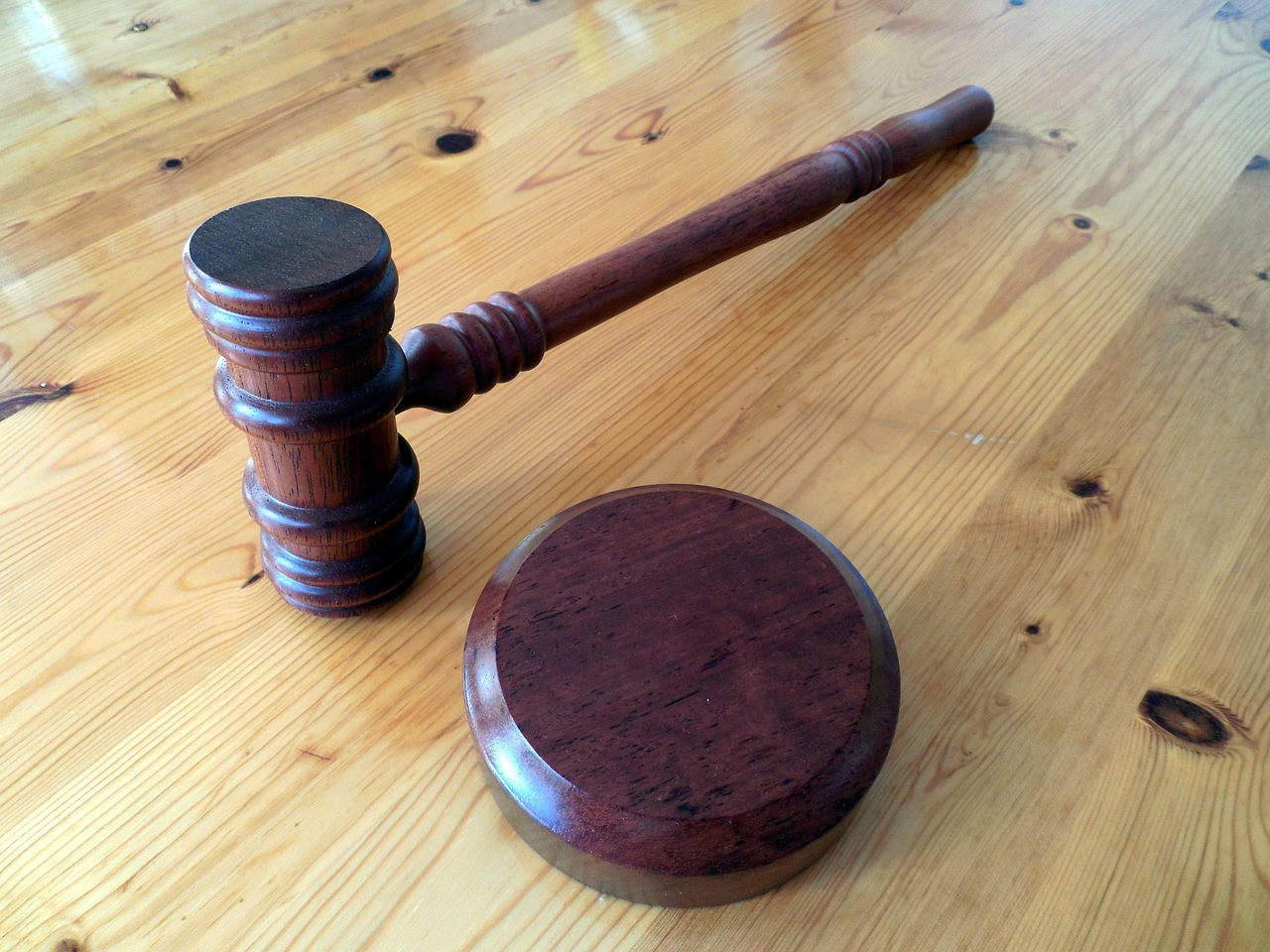
Representative image: succo / Pixabay
The Punjab and Haryana High Court ordered a fresh PGIMER autopsy of Daljit Singh and barred politicians from his rites; he was cremated in Mansa on 5 November 2026.
What Happened
The Punjab and Haryana High Court has ordered a fresh post-mortem examination of Daljit Singh, a 35-year-old man from Bhamme Kalan village in Mansa district whose death on 27 October 2026 set off protests over Punjab's drug problem, and has held that a dignified cremation is a right. The court directed that the second autopsy be done at the Postgraduate Institute of Medical Education and Research (PGIMER), Chandigarh, and barred political parties, politicians and other groups from attending or interfering with the last rites. On Wednesday, 4 November 2026, Justice Sanjay Vashisth modified an earlier direction for a cremation in Chandigarh after Daljit Singh's wife and mother asked for it to be held in his native village. He was cremated at Bhamme Kalan on Thursday, 5 November 2026, under police protection.
Key Facts
- Who: Daljit Singh, 35, of Bhamme Kalan village, Mansa district, Punjab, who died on 27 October 2026.
- The dispute: his sister has said he died of a drug overdose; police registered a murder case and said the cause of death was under investigation.
- The petition: the High Court acted on a petition filed by his sister. The first post-mortem had been done at AIIMS Bathinda.
- The order: a fresh post-mortem at PGIMER Chandigarh; the body to go directly from PGIMER to the village under police protection.
- Political ban: no political party, politician from the ruling side or the opposition, or other group was allowed to take part in or interfere with the cremation.
- The change: the first direction for a cremation in Chandigarh with only close family present was modified on 4 November at the request of the wife and mother.
- Outcome: the cremation took place at Bhamme Kalan on 5 November, with family members and villagers present.
Why It Matters
The case sits where two sensitive questions in Punjab meet: how the state counts and responds to deaths linked to drugs, and how far police and politicians should be involved in a family's grief. The two sides gave very different accounts of the death. According to reports, his sister said he died of an overdose and asked that drug supply in the area be stopped. The Mansa police said the body had been left by someone at the roadside, registered a murder case on the statement of his father, and said three main accused had been rounded up. Police also registered a second case of attempt to murder over an attack on a police team, and said some "misinformation" had been spread.
The death quickly became political. The Leader of Opposition in the Punjab Assembly, Partap Singh Bajwa, said the way Mansa Police moved the body raised serious questions. Congress MP Charanjit Singh Channi joined the protest in Mansa and alleged that police were trying to show the death as a murder so that it would not be counted as an overdose death. The police have not accepted that charge, and the cause of death has not been officially settled.
By ordering a second post-mortem at PGIMER, a central institution in Chandigarh, the High Court moved the medical examination away from the district where the dispute began. That is a step courts take when one side doubts the first examination, and it gives both the family and the police a report from an institution neither controls.
The court's language on cremation is also notable. It treated a dignified cremation as a right, and used that to keep the funeral itself out of politics while still letting the family choose where to hold it.
Peepals timeline: Daljit Singh died on Tuesday, 27 October 2026, and police took the body as the family protested. Two FIRs were registered and three people arrested, according to police. His sister then went to the High Court, which ordered a fresh post-mortem at PGIMER and a cremation in Chandigarh. On Wednesday, 4 November, the court modified that order on the plea of his wife and mother. On Thursday, 5 November, the body was taken from PGIMER to Bhamme Kalan and cremated in the village, ten days after the death by our count from the reported dates.
| Date | Step |
|---|---|
| 27 October 2026 | Daljit Singh dies at Bhamme Kalan; family protests |
| Late October | Police register two FIRs and arrest three people |
| Early November | High Court orders fresh post-mortem at PGIMER |
| 4 November 2026 | Order modified to allow cremation in the native village |
| 5 November 2026 | Cremation at Bhamme Kalan under police protection |
Impact
Short-term: The family has been able to hold the last rites at home, and the PGIMER report will become a key document in the murder investigation and in any further hearing.
Long-term: The outcome of the second post-mortem may shape how the case is prosecuted and how the death is counted. The order may also be cited in future disputes where families, police and political parties clash over a body.
Who is affected: Daljit Singh's family; the residents of Bhamme Kalan and Mansa; the Mansa police and the three people arrested; and political parties in Punjab, which were told to stay away from the funeral.
Key Takeaway
The Punjab and Haryana High Court ordered a fresh PGIMER post-mortem in the disputed Mansa death of Daljit Singh, kept politicians away from the funeral, and allowed his family to cremate him in his village on 5 November 2026.
Questions and Answers
Why did the Punjab and Haryana High Court order a second post-mortem of Daljit Singh?
His family and the police gave different accounts of how he died: his sister said it was a drug overdose, while police registered a murder case. The court ordered a fresh post-mortem at PGIMER Chandigarh on a petition by his sister. The first examination had been done at AIIMS Bathinda.
Were politicians allowed at the cremation?
No. The court barred political parties, politicians from both the ruling side and the opposition, and other groups or organisations from attending or interfering with the cremation arrangements.
Where and when was Daljit Singh cremated?
At his native village, Bhamme Kalan in Mansa district, on Thursday, 5 November 2026. The court had first directed a cremation in Chandigarh but changed this on 4 November after his wife and mother asked for the village.
Has the cause of death been settled?
Not officially. Police said the death was under investigation, and the PGIMER post-mortem report is expected to be central to the case.
Disclaimer: Prepared by the Peepals newsroom from publicly available sources with AI assistance. Information is accurate to the best of our knowledge at the time of publication and may change. Images may be representative. Not professional advice. Report an error via our contact page.
By Meera Iyer, Governance & Policy EditorCovers Governance & Policy and more for Peepals Bharat. All stories by Meera Iyer
Jailer 2 OTT release: Prime Video streams it from November 12
Sanjay Van heritage walk on November 14: DDA, INTACH open Lal Kot ruins
Get the day's stories in your inbox
Peepals Weekly: the week decoded, free. One email a week, unsubscribe in one click.
Meera Iyer is a pen name of the Peepals Global Editorial Team, which researches, fact-checks and publishes every story. The portrait is an illustration.