
CBSE three-language policy: Supreme Court lets Class 6 students keep their choice
 By Aditi KulkarniEducation Writer, Peepals Bharat
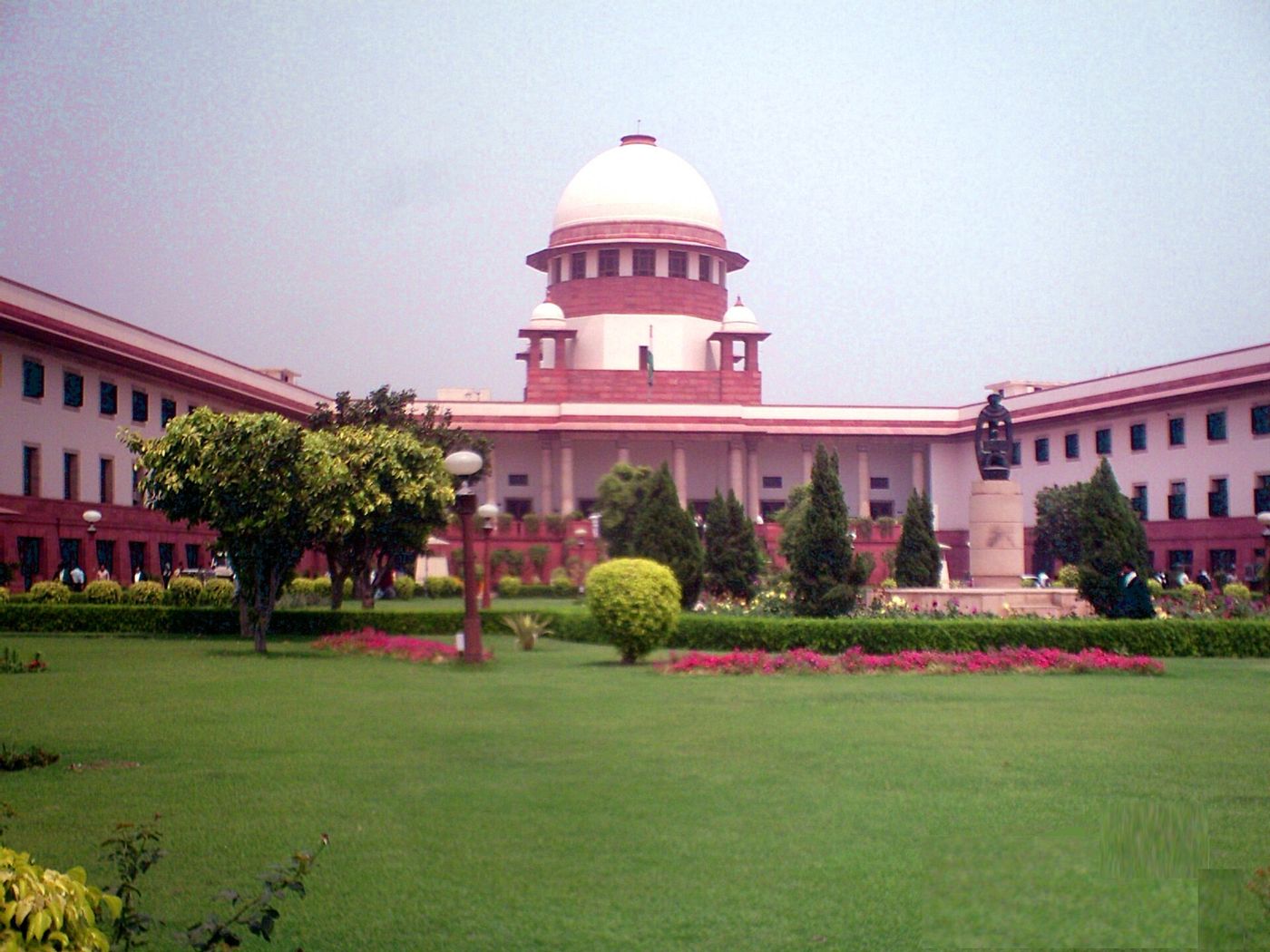
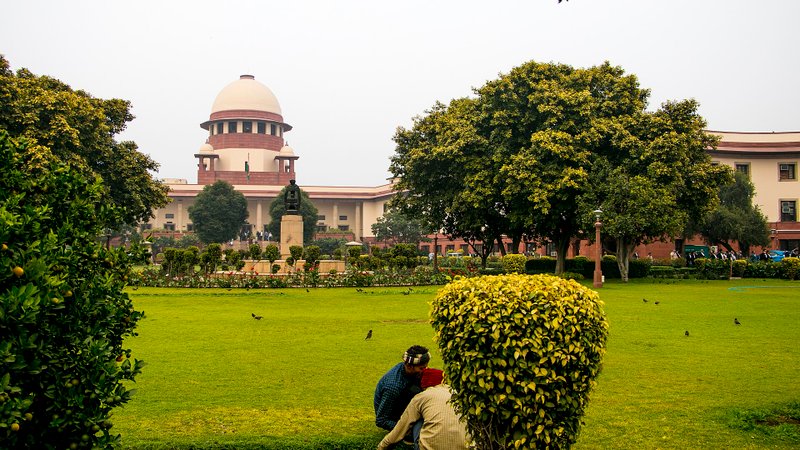
File photo: Legaleagle86 at English Wikipedia. (CC BY-SA 3.0), via Wikimedia Commons
On 25 November 2026 the Supreme Court said CBSE Class 6 students who chose three languages can keep them; those on two may add the third next year.
CBSE three-language policy: what happened
The Supreme Court on Wednesday, 25 November 2026, clarified that Class 6 students in CBSE schools who have already chosen three languages under the board's new three-language policy can keep that choice and do not have to go back to two. A bench of Chief Justice of India Surya Kant, Justice Joymalya Bagchi and Justice V Mohana gave the oral clarification on an application by the Central Board of Secondary Education (CBSE) to modify the court's order of 28 September, while hearing a batch of petitions that challenge the board's three-language formula.
CBSE three-language policy: key facts
- Students who have already opted for three languages this session can continue with all three; no school should force them back to two.
- Students still studying two languages may continue with two for the current session and are expected to take up the third language from the next academic year.
- For students now in Classes 6 to 9, the third language will be assessed by the school, not through a CBSE Class 10 board examination.
- CBSE had asked the court to recall the Class 6 exemption, saying it would help only about 4,186 of roughly 23.44 lakh Class 6 students.
- The board argued that the exemption could be unfair to students who had already changed their language combinations to comply.
- The main challenge to the policy is still pending and will be decided at a final hearing.
CBSE three-language policy: why it matters
The three-language rule is one of the biggest changes in CBSE classrooms this year. Introduced for Class 6 from the 2026-27 academic year in line with the National Education Policy 2020, it asks students to study three languages and puts Indian languages at its centre. For schools it means new subject combinations, timetables and teacher allotments, and a batch of petitions challenging the formula is now before the Supreme Court.
On 28 September the court eased the pressure. It extended to the current Class 6 batch the relief already given to students in Classes 7 to 9: they would keep studying a third language but would not face a separate board examination in it. CBSE then asked the court to recall that relief for Class 6. Its argument, set out in its application, was that the exemption would help only a small group of pupils while being unfair to the much larger number who had already changed their language combinations to comply, and that it would upset schools' planning.
The bench did not withdraw the relief. Instead it protected both groups: those who had already moved to three languages keep their choice, and those still on two are not forced to switch in the middle of the year. The school-level assessment of the third language for Classes 6 to 9 also stays. During the hearing, Senior Advocate Gopal Sankaranarayanan objected that the petitioners had not been heard on CBSE's application. The court left the board free to come back if implementation problems continue, and the written order, once published, will be the authoritative text.
Peepals calculation: CBSE's own figures put the exemption's direct beneficiaries at about 0.18% of Class 6 students (4,186 out of 23,44,000), fewer than 2 in every 1,000. Our calculation from the reported figures.
| Group | Figure CBSE gave the court | Share of Class 6 enrolment |
|---|---|---|
| All Class 6 students in CBSE schools | about 23.44 lakh | 100% |
| Students CBSE said the exemption would help | about 4,186 | about 0.18% |
CBSE three-language policy: impact
Short-term: Schools can leave this session's language sections as they are. A child already studying three languages keeps doing so, and a child on two languages is not moved mid-year. Third-language marks for Classes 6 to 9 stay a school matter.
Long-term: Students still on two languages are expected to add the third from the next academic year, so schools will need teachers and timetable slots for that. The final hearing will settle the legal questions the petitions raise, including which languages count as Indian or indigenous under the policy.
Who is affected: Class 6 students in CBSE-affiliated schools and their parents, students in Classes 7 to 9 who take the third language without a board exam, language teachers, and school managements planning the next session.
What to watch next: the court's written order on CBSE's application, and the final hearing on the petitions challenging the three-language formula.
CBSE three-language policy: key takeaway
Parents of CBSE Class 6 students should keep their child's current language choice for this session and plan for a third language next year, while watching for the written order and the final hearing.
CBSE three-language policy: questions and answers
Does my child in CBSE Class 6 have to drop a third language after the Supreme Court's latest order?
No. The court said students who have already opted for three languages can continue with them and need not go back to two languages.
What happens to Class 6 students who are still studying only two languages?
They may continue with two languages for the current session. They are expected to take up a third language from the next academic year.
Will there be a CBSE board exam in the third language for Classes 6 to 9?
Not for students now in those classes. Their third language will be assessed at the school level rather than in a CBSE Class 10 board examination.
Has the Supreme Court decided whether the CBSE three-language policy is valid?
Not yet. The petitions challenging the policy are still pending, and the court will decide the main legal questions at a final hearing.
Disclaimer: Prepared by the Peepals newsroom from publicly available sources with AI assistance. Information is accurate to the best of our knowledge at the time of publication and may change. Images may be representative. Not professional advice. Report an error via our contact page.
By Aditi Kulkarni, Education WriterCovers Education and more for Peepals Bharat. All stories by Aditi Kulkarni
Northern Ridge heritage walk: DDA, INTACH tour on December 12 for Rs 500
Octopus web series on ZEE5: Tamil missing-bride thriller streams from November 27
Your week ahead, every Sunday. Free.
Exam and result dates, IPOs opening, scheme deadlines, government holidays and the RBI decision for the next 7 days, plus the week's top stories. One email a week, unsubscribe in one click.
Aditi Kulkarni is a pen name of the Peepals Global Editorial Team, which researches, fact-checks and publishes every story. The portrait is an illustration.
Responsible for this story: the Peepals Global Editorial Team. How we report