
NLC India signs Odisha MoUs for Rs 35,000 crore 3,200 MW power plant
 By Siddharth VermaBusiness Correspondent, Peepals Bharat
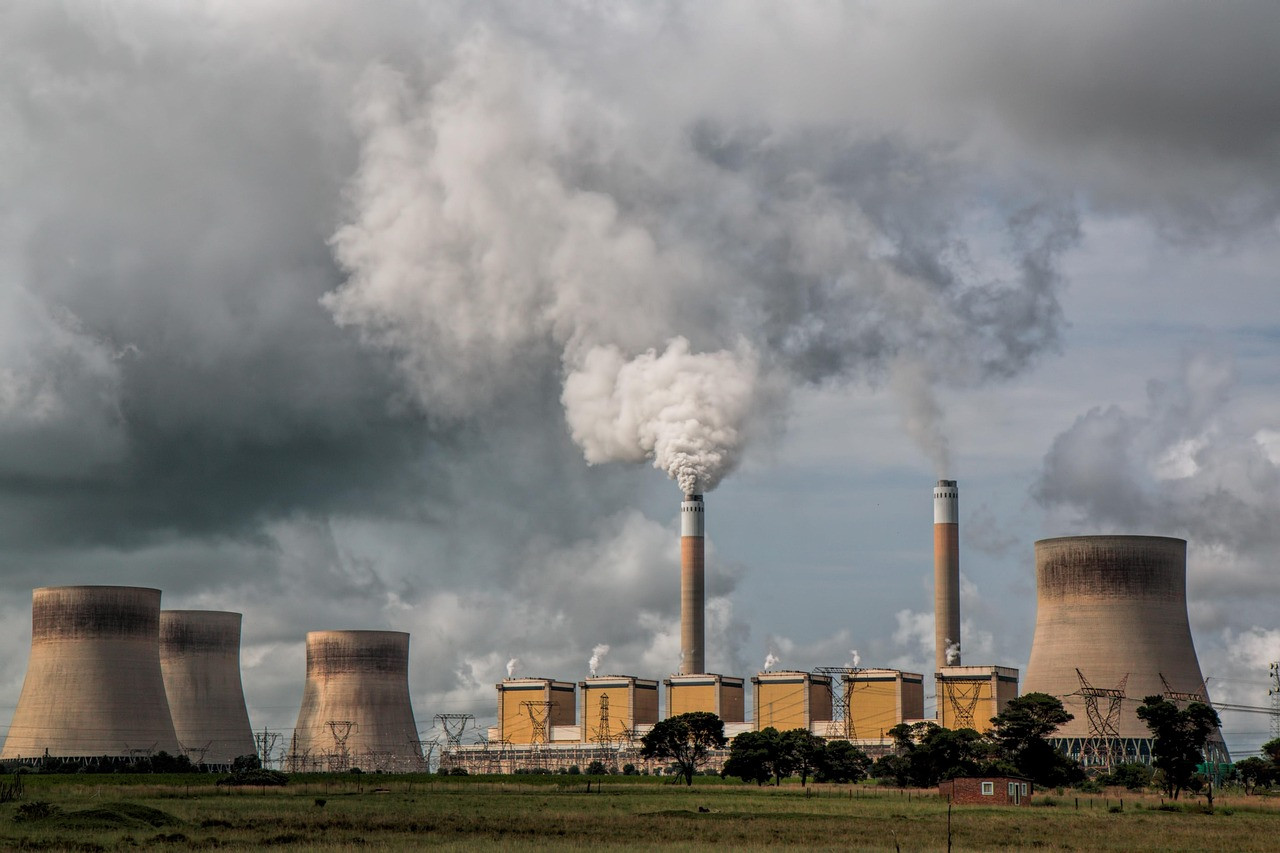
Representative image: stevepb / Pixabay
State-owned NLC India signed three MoUs with Odisha's IPICOL on October 22, 2026, led by a Rs 35,000 crore, 3,200 MW coal power plant.
What Happened
State-owned NLC India Limited (NLCIL) signed three memorandums of understanding (MoUs) with the Industrial Promotion and Investment Corporation of Odisha Limited (IPICOL) in Mumbai on Thursday, October 22, 2026. The largest covers a proposed 3,200 megawatt (MW) coal-based thermal power plant in Odisha with a potential investment of about Rs 35,000 crore. The other two cover a beach sand minerals facility worth about Rs 2,000 crore and a feasibility study on coal gasification for fertiliser use. Odisha Chief Minister Mohan Charan Majhi was present at the signing.
Key Facts
- The MoUs were signed in Mumbai on October 22, 2026, between NLCIL and IPICOL, Odisha's investment promotion agency.
- Jasper Rose, Executive Director (Mines and Land) at NLCIL, and Aboli Sunil Naravane, Managing Director of IPICOL, signed the agreements.
- The power project is planned as four units of 800 MW each (4 x 800 MW), using ultra-supercritical technology.
- The potential investment in the power plant is about Rs 35,000 crore; with the beach sand facility, the combined figure is about Rs 37,000 crore.
- The beach sand minerals facility carries a tentative investment of about Rs 2,000 crore and is expected to create about 500 jobs.
- Reported job estimates for the power plant are about 4,000; some reports put the combined total for the power and minerals projects at about 4,500.
- The third MoU is a study of whether coal gasification and syngas production can be used to make fertiliser.
- The sites, timelines and approvals for the projects have not yet been announced.
Why It Matters
For Odisha, the agreements add to a push by the state government to bring large industrial projects into the state. A 3,200 MW power plant is a large project by any measure. If it is built, it would add a big block of electricity generation capacity, along with construction work, local supply contracts and permanent jobs at the plant. The state's investment agency signing the agreements, with the Chief Minister present, shows the state is treating the projects as a priority.
It is important to read the agreements for what they are. An MoU is a statement of intent between two parties, not a final investment decision. The figures announced, Rs 35,000 crore for the power plant and Rs 2,000 crore for the minerals facility, are described as potential or tentative investments. The reports so far say the projects are at the proposal and exploration stage. Land, environmental clearances, coal supply, power purchase arrangements and board approvals all still have to be worked out before construction can start.
The power plant is planned with ultra-supercritical technology. In simple terms, this means the boilers run water and steam at very high temperatures and pressures, which lets the plant turn more of the heat from burning coal into electricity. Better efficiency means less coal is burned and less carbon dioxide is released for each unit of power, compared with older designs, although the plant would still run on coal.
The coal gasification study points to a different use of coal. Gasification turns coal into a gas mixture called syngas, mostly hydrogen and carbon monoxide, which can then be used as a raw material in chemical plants, including for fertilisers. At this stage NLCIL has agreed only to study whether such a project is technically workable in Odisha.
The beach sand minerals facility is the smallest of the three in money terms. Beach sand along parts of India's eastern coast contains heavy minerals used in paints, ceramics, welding and other industries. The company has not yet said where in Odisha the facility would be or how much it would process.
| Project | What is planned | Reported investment | Reported jobs |
|---|---|---|---|
| Thermal power plant | 3,200 MW (4 x 800 MW), ultra-supercritical | About Rs 35,000 crore | About 4,000 |
| Beach sand minerals facility | Processing of beach sand minerals | About Rs 2,000 crore | About 500 |
| Coal gasification | Feasibility study for fertiliser use | Not stated | Not stated |
Impact
Short-term: Nothing changes on the ground immediately. The next steps are site selection, detailed project reports and the approvals needed before any money is committed.
Long-term: If the power plant and minerals unit go ahead as proposed, Odisha would gain a major new source of electricity, thousands of jobs and new business for local suppliers. The gasification study could, if positive, open a path to a fertiliser-linked project in the state.
Who is affected: Job seekers and contractors in Odisha, the districts that are eventually chosen as sites, electricity consumers who could draw on the added capacity, and NLCIL itself, which would be expanding beyond its traditional base.
Key Takeaway
NLC India has signed MoUs for about Rs 37,000 crore of proposed projects in Odisha, led by a 3,200 MW power plant, but sites, approvals and timelines are still to come.
Questions and Answers
What did NLC India sign with Odisha on October 22, 2026?
NLC India signed three MoUs with IPICOL, Odisha's investment promotion agency, in Mumbai: one for a 3,200 MW coal-based thermal power plant worth about Rs 35,000 crore, one for a beach sand minerals facility worth about Rs 2,000 crore, and one for a feasibility study on coal gasification for fertiliser.
Has construction of the NLC India power plant in Odisha started?
No. The MoUs are agreements of intent. Reports say the projects are at the proposal and exploration stage, and the location, schedule and approvals have not yet been announced.
How many jobs could the NLC India Odisha projects create?
Reported estimates are about 4,000 jobs for the power plant and about 500 for the beach sand minerals facility. Some reports put the combined figure at about 4,500.
What is an ultra-supercritical power plant?
It is a coal power plant whose boilers work at very high steam temperatures and pressures. This makes it more efficient than older designs, so it burns less coal and emits less carbon dioxide for each unit of electricity, though it still runs on coal.
Disclaimer: Prepared by the Peepals newsroom from publicly available sources with AI assistance. Information is accurate to the best of our knowledge at the time of publication and may change. Images may be representative. Not professional advice. Report an error via our contact page.
By Siddharth Verma, Business CorrespondentCovers Business and more for Peepals Bharat. All stories by Siddharth Verma
Ladakh to launch Rs 100 crore start-up policy in November
Beparwah: Ahaan Panday, Sharvari film by Ali Abbas Zafar out March 26, 2027
Siddharth Verma is a pen name of the Peepals Global Editorial Team, which researches, fact-checks and publishes every story. The portrait is an illustration.