
Dixon Technologies: phone output lifts revenue 47%, but profit nearly halves
 By Siddharth VermaBusiness Correspondent, Peepals Bharat
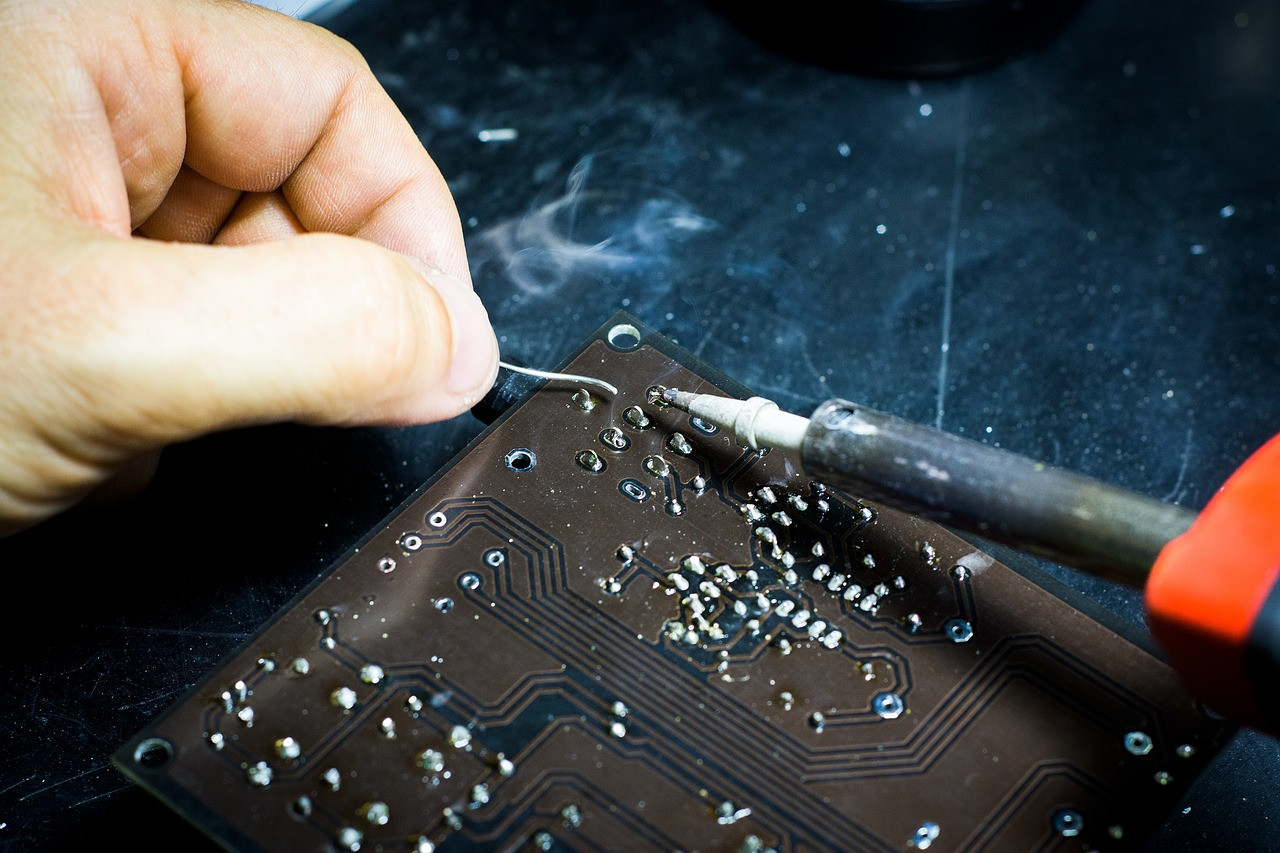
Representative image: www-erzetich-com / Pixabay
Dixon Technologies' July-September 2026 revenue rose about 47% to Rs 21,794 crore on phone manufacturing, but profit fell to Rs 411 crore as material costs squeezed margins.
What Happened
Dixon Technologies, a major Indian contract electronics manufacturer, reported on Friday, 30 October 2026 that its revenue for July-September rose about 47% from a year earlier to Rs 21,794 crore, driven by mobile phone manufacturing. Its consolidated profit, however, fell about 45% to Rs 411 crore from Rs 746 crore, as the cost of components rose faster than prices. The company also said a planned joint venture with phone brand Vivo would now start contributing in January-March 2027, a quarter later than earlier expected.
Key Facts
- Revenue from operations: about Rs 21,794 crore, up from about Rs 14,855 crore a year earlier; some reports put total consolidated revenue at Rs 21,863 crore.
- Consolidated profit: about Rs 411 crore, down from about Rs 746 crore; profit attributable to shareholders after minority interests was lower still, according to some reports.
- Mobile phones and other contract manufacturing brought in about Rs 20,093 crore, roughly 92% of revenue.
- Materials consumed rose to 94.9% of revenue from 92.9% a year earlier, squeezing the operating margin to about 2.7%.
- Management expects to make 33 to 34 million mobile phones in 2026-27, excluding the Vivo venture.
- The Vivo joint venture is now expected to begin contributing in the fourth quarter of 2026-27.
- The board appointed Prithvi Vachani as an executive director with effect from 30 October 2026.
Why It Matters
Dixon is the clearest example of how India's electronics manufacturing push is working on the ground. It does not sell phones under its own name. Instead, it assembles them, along with other electronics, for well-known brands at its own factories. When a brand decides to make more phones in India, companies like Dixon get the orders and hire the workers.
The quarter shows both sides of that model. Revenue has grown very fast because phone volumes and the average price of phones assembled have risen. But contract manufacturing is a low-margin business: Dixon keeps only a few rupees of every hundred it earns, and when the cost of chips, screens and other parts goes up, the company cannot always pass it on quickly. That is why profit fell even as sales jumped.
The delay to the Vivo venture matters because it is expected to add a big new source of phone volumes. Under the plan, Dixon would own the majority of the venture and use Vivo's Noida factory to make phones for Vivo and possibly other brands. Because Vivo is a Chinese company, the venture has needed government approval under rules on investment from countries that share a land border with India. Reports have said approvals have been given at the inter-ministerial level, but Dixon now expects the venture to contribute only from the last quarter of the financial year.
| Measure | Q2 FY26 | Q2 FY27 |
|---|---|---|
| Revenue from operations | About Rs 14,855 crore | About Rs 21,794 crore |
| Consolidated profit | About Rs 746 crore | About Rs 411 crore |
| Materials cost as share of revenue | 92.9% | 94.9% |
Impact
Short-term: Higher costs may keep margins thin for the next few quarters, even as Dixon's factories run at high volumes. The Vivo delay pushes some expected growth into early 2027.
Long-term: If India keeps attracting phone assembly from global brands, Dixon's volumes should continue to rise. Its profits, however, will depend on moving into higher-value work, such as making components and display modules, rather than just assembling them.
Who is affected: Factory workers and suppliers in India's electronics manufacturing clusters; phone brands that outsource production to Dixon; shareholders; and the government's electronics manufacturing targets. This report is not investment advice.
Key Takeaway
Dixon's phone factories are busier than ever, but rising component costs nearly halved its profit, showing how thin margins are in India's electronics assembly boom.
Questions and Answers
What were Dixon Technologies' Q2 FY27 results?
For July-September 2026, Dixon reported revenue from operations of about Rs 21,794 crore, up about 47% year on year, and consolidated profit of about Rs 411 crore, down about 45%. The results were announced on 30 October 2026.
Why did Dixon's profit fall when revenue rose?
The cost of materials rose to 94.9% of revenue from 92.9% a year earlier, squeezing margins. In contract manufacturing, a small rise in component costs can wipe out a large share of profit.
When will the Dixon-Vivo joint venture start?
Dixon now expects the venture to begin contributing in the fourth quarter of 2026-27, that is January to March 2027, later than its earlier plan for the third quarter.
How many phones does Dixon plan to make this year?
Management expects production of 33 to 34 million mobile phones in 2026-27, not counting the Vivo joint venture.
Disclaimer: Prepared by the Peepals newsroom from publicly available sources with AI assistance. Information is accurate to the best of our knowledge at the time of publication and may change. Images may be representative. Not professional advice. Report an error via our contact page.
By Siddharth Verma, Business CorrespondentCovers Business and more for Peepals Bharat. All stories by Siddharth Verma
Gujarat makes counsellors, wellness teams mandatory in Class 9-12 schools
IDBI Bank sale row: Centre defends Fairfax deal as critics seek inquiry
Get the day's stories in your inbox
Peepals Weekly: the week decoded, free. One email a week, unsubscribe in one click.
Siddharth Verma is a pen name of the Peepals Global Editorial Team, which researches, fact-checks and publishes every story. The portrait is an illustration.