
IDBI Bank sale row: Centre defends Fairfax deal as critics seek inquiry
 By Meera IyerGovernance & Policy Editor, Peepals Bharat
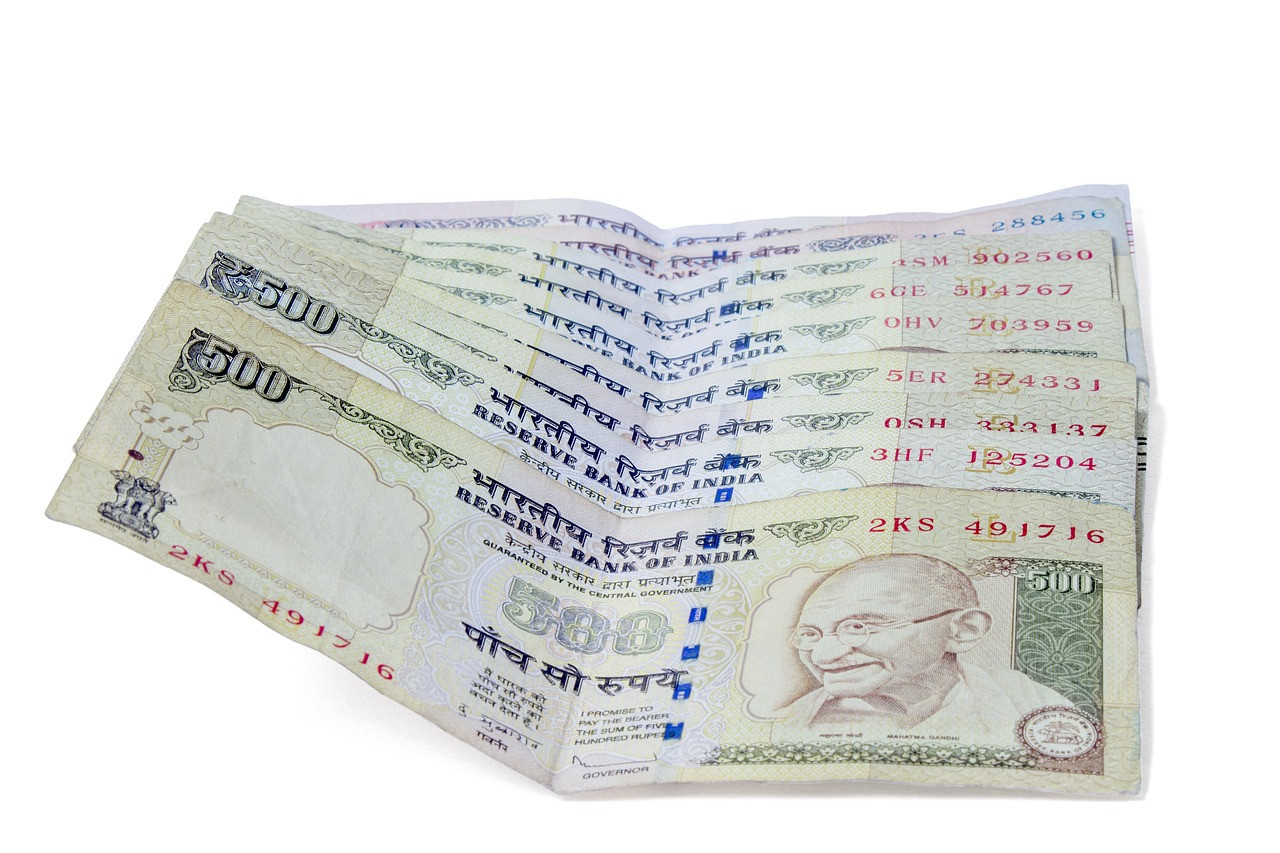
Representative image: F1Digitals / Pixabay
The Centre says the reserve price in the IDBI Bank sale to Fairfax was never changed, while Congress and ex-secretary E.A.S. Sarma sought a review in statements up to 31 October 2026.
What Happened
The Centre has defended its sale of a controlling stake in IDBI Bank to Canada's Fairfax Financial Holdings, saying the reserve price, the minimum acceptable price, was neither raised nor lowered during the bidding. The Department of Investment and Public Asset Management (DIPAM), which runs government stake sales, issued the clarification on Thursday, 29 October 2026, after a business magazine reported on an internal finance ministry note about how the bank was valued. The opposition Congress has since questioned the deal's transparency, and former Union secretary E.A.S. Sarma, in a letter dated 31 October, asked the finance minister to scrap the sale and order a judicial inquiry.
Key Facts
- The government and Life Insurance Corporation (LIC) are selling a combined 60.7% stake in IDBI Bank to Fairfax at Rs 81 a share; the sale was announced on 15 October 2026.
- After the sale, the government and LIC will together keep about 34% of the bank, according to the announcement.
- Fairfax still needs the Reserve Bank of India's "fit and proper" approval to become the bank's owner.
- DIPAM said the first bidding round lapsed because bids came in below the reserve price and bidders would not match it, and that a second round raised the deal's value by Rs 3,917 crore.
- DIPAM said IDBI Bank's share price was not used as a benchmark because the stock is volatile and thinly traded.
- A report based on the internal note said officials saw Fairfax's revised bid before fresh valuations were ordered; it cited an earlier reserve price of Rs 94.42 a share and a later fair value of Rs 75.99. The government says due process was followed.
- Congress leader Jairam Ramesh questioned why an LIC director sat on the board of a Fairfax group company while LIC was selling to Fairfax, calling it a possible conflict of interest.
Why It Matters
IDBI Bank's sale is a test case for the government's plan to sell stakes in public sector lenders. How the price was set matters because the sellers are the government and LIC, so the money belongs, in effect, to taxpayers and LIC's policyholders.
The dispute is about the order of steps. In a normal auction, the seller fixes a reserve price first and then opens bids. The magazine report, based on the internal note, suggests valuations were redone after Fairfax's revised bid was known. DIPAM's position is that the reserve price was never changed in the second round and that the result was a better price for the government than the first round produced. Critics, including Sarma, have also objected to rules that kept public sector companies out of the bidding.
For depositors and customers, nothing changes immediately. IDBI Bank continues to operate normally, and deposits remain covered by the same rules as other banks. For employees, Congress has said the government has not explained what the change in ownership means for jobs.
| Issue | Government's position | Critics' position |
|---|---|---|
| Reserve price | Not raised or lowered in second round | Valuations reset after bid was seen |
| Bidders | Process followed rules | Public sector bidders excluded |
| Conflict of interest | Due process followed | LIC director on Fairfax group board |
Impact
Short-term: The controversy keeps pressure on the finance ministry to publish more detail on the valuations. The Reserve Bank's fit-and-proper review of Fairfax is the next formal step before the deal can close.
Long-term: The way this sale is judged will shape future bank privatisations. If questions over process persist, the government may face calls for stricter, more public rules on how reserve prices are set.
Who is affected: IDBI Bank's employees, shareholders and customers; LIC's policyholders; taxpayers; and investors watching India's disinvestment programme.
Key Takeaway
The Centre says the IDBI Bank sale followed due process and fetched a better price in a second round, but the opposition and former officials want an inquiry into how the bank was valued.
Questions and Answers
Who is buying IDBI Bank?
Canada's Fairfax Financial Holdings won the bid for a 60.7% stake from the government and LIC at Rs 81 a share, announced on 15 October 2026. The deal still needs the Reserve Bank of India's fit-and-proper approval.
What is the controversy over the IDBI Bank sale?
A report based on an internal finance ministry note said valuations were redone after Fairfax's revised bid was seen. The Congress and former secretary E.A.S. Sarma have demanded a review and an inquiry. The government says the reserve price was never changed.
What has the government said?
DIPAM said on 29 October 2026 that the reserve price was neither raised nor lowered, that the first round lapsed because bids were too low, and that the second round raised the deal's value by Rs 3,917 crore.
Is money deposited in IDBI Bank safe?
The sale does not change how deposits are protected. IDBI Bank continues to operate as a regulated bank, and the RBI must approve the new owner before control changes.
Disclaimer: Prepared by the Peepals newsroom from publicly available sources with AI assistance. Information is accurate to the best of our knowledge at the time of publication and may change. Images may be representative. Not professional advice. Report an error via our contact page.
By Meera Iyer, Governance & Policy EditorCovers Governance & Policy and more for Peepals Bharat. All stories by Meera Iyer
Dixon Technologies: phone output lifts revenue 47%, but profit nearly halves
Odisha clears 22 projects worth Rs 3,855 crore across 12 districts
Get the day's stories in your inbox
Peepals Weekly: the week decoded, free. One email a week, unsubscribe in one click.
Meera Iyer is a pen name of the Peepals Global Editorial Team, which researches, fact-checks and publishes every story. The portrait is an illustration.