
IndiGo CEO Willie Walsh: lower airport charges, taxes needed to grow flying
 By Meera IyerGovernance & Policy Editor, Peepals Bharat
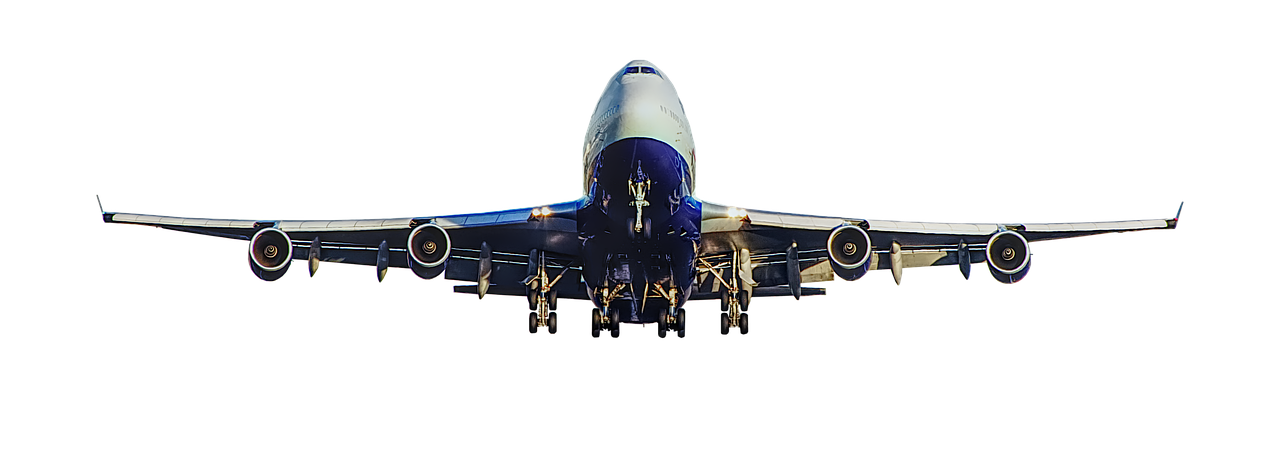
Representative image: bilaleldaou / Pixabay
IndiGo CEO Willie Walsh said on 2 November 2026 that lower airport charges and taxes are needed to grow Indian aviation, calling airports effective monopolies.
What Happened
IndiGo's chief executive Willie Walsh has called for lower airport charges and lower taxes on air travel in India, saying they are the way to grow the country's aviation market. Speaking at his first in-person media briefing since he took charge of the airline in August 2026, reported on Monday, 2 November 2026, Walsh said his long-held view on the subject had not changed and described airports as effective monopolies that should be more competitive on pricing. His remarks come days after IndiGo reported a loss of Rs 1,879.1 crore for the July-September quarter.
Key Facts
- Willie Walsh became IndiGo's chief executive in August 2026; he previously led the International Air Transport Association (IATA), the global airline industry body.
- He said lower airport charges and lower taxes would help the Indian aviation market expand.
- He said airports function as effective monopolies and should compete more on pricing.
- IndiGo reported a loss of Rs 1,879.1 crore for the September quarter, hit by higher fuel costs and a weaker rupee, and has reduced capacity.
- Walsh said the industry faces a hard environment but that IndiGo will get through it, adding: "We see incredible opportunities."
- He said IndiGo expects to start receiving wide-body Airbus A350 aircraft from the second quarter of 2028.
- As IATA chief in 2024, he had said that airport charges in India rose automatically after some airports were privatised.
Why It Matters
What a passenger pays for a ticket is made up of more than the airline's own fare. It also includes airport charges, which airports collect from airlines and passengers for using their facilities, and taxes on tickets and on aviation turbine fuel (ATF), the fuel jets burn. When these costs rise, airlines usually pass them on in fares, which can put flying out of reach for some travellers.
Walsh's argument is that cheaper airports and lower taxes would bring more people into air travel, which would help both airlines and the economy. His point that airports are monopolies refers to the fact that most cities have one main airport, so airlines and passengers have little choice about where to fly from.
The timing matters for travellers. The airline's leadership has already said that higher fares are hard to avoid while fuel costs stay high and the rupee stays weak. With the Diwali and winter holiday season starting, any rise in fares or cut in flights would be felt by a large number of passengers. Walsh's comments signal that the airline will press the government and airport operators for relief rather than absorb all the costs itself.
The plan to bring in Airbus A350 wide-body jets from 2028 also points to IndiGo's longer-term aim: more long-distance international flights from Indian cities, which would give travellers more direct options abroad.
| IndiGo at a glance | Detail |
|---|---|
| Chief executive | Willie Walsh, since August 2026 |
| July-September 2026 result | Loss of Rs 1,879.1 crore |
| Main pressures | Higher fuel costs, weaker rupee |
| Wide-body A350 deliveries | Expected from April-June 2028 |
Impact
Short-term: Fares on many domestic routes may stay high through the festive and winter season as airlines deal with fuel costs and a weaker rupee. IndiGo's call adds pressure on the government and airport operators to look at charges and taxes.
Long-term: If airport charges and taxes are reduced, airlines could cut fares and add routes, bringing more first-time flyers into the market. If they are not, airlines may keep capacity tight and focus on routes that pay best.
Who is affected: Air passengers, especially price-sensitive domestic travellers, airlines, airport operators, and the government, which earns revenue from aviation taxes.
Key Takeaway
IndiGo's new chief Willie Walsh says lower airport charges and taxes are needed to grow Indian air travel, as the airline deals with a Rs 1,879.1 crore quarterly loss from high fuel costs and a weak rupee.
Questions and Answers
What did IndiGo CEO Willie Walsh say about airport charges?
Walsh said airport charges and taxes in India should be lower to help the aviation market grow. He described airports as effective monopolies that should be more competitive on pricing.
Who is IndiGo's CEO?
Willie Walsh has been IndiGo's chief executive since August 2026. He earlier headed the International Air Transport Association, the global airline industry body.
Why did IndiGo make a loss in the September quarter?
IndiGo reported a loss of Rs 1,879.1 crore for July-September 2026, mainly because of higher fuel costs and the rupee's fall, which raises costs paid in dollars.
Will airfares go up because of this?
IndiGo's leadership has said fare increases are hard to avoid while costs stay high. Walsh's call for lower airport charges and taxes is aimed at easing those costs, but any change would depend on decisions by the government and airport regulators.
Disclaimer: Prepared by the Peepals newsroom from publicly available sources with AI assistance. Information is accurate to the best of our knowledge at the time of publication and may change. Images may be representative. Not professional advice. Report an error via our contact page.
By Meera Iyer, Governance & Policy EditorCovers Governance & Policy and more for Peepals Bharat. All stories by Meera Iyer
Start-up funding falls 47.5% to $678 million in October as big deals dry up
Anuj Thakur, Dhoom Machao Dhoom actor, dies at 33 after seizure in sleep
Get the day's stories in your inbox
Peepals Weekly: the week decoded, free. One email a week, unsubscribe in one click.
Meera Iyer is a pen name of the Peepals Global Editorial Team, which researches, fact-checks and publishes every story. The portrait is an illustration.