
Gujarat Police Sentinel Hackathon pays Rs 18 lakh to AI-CCTV winners
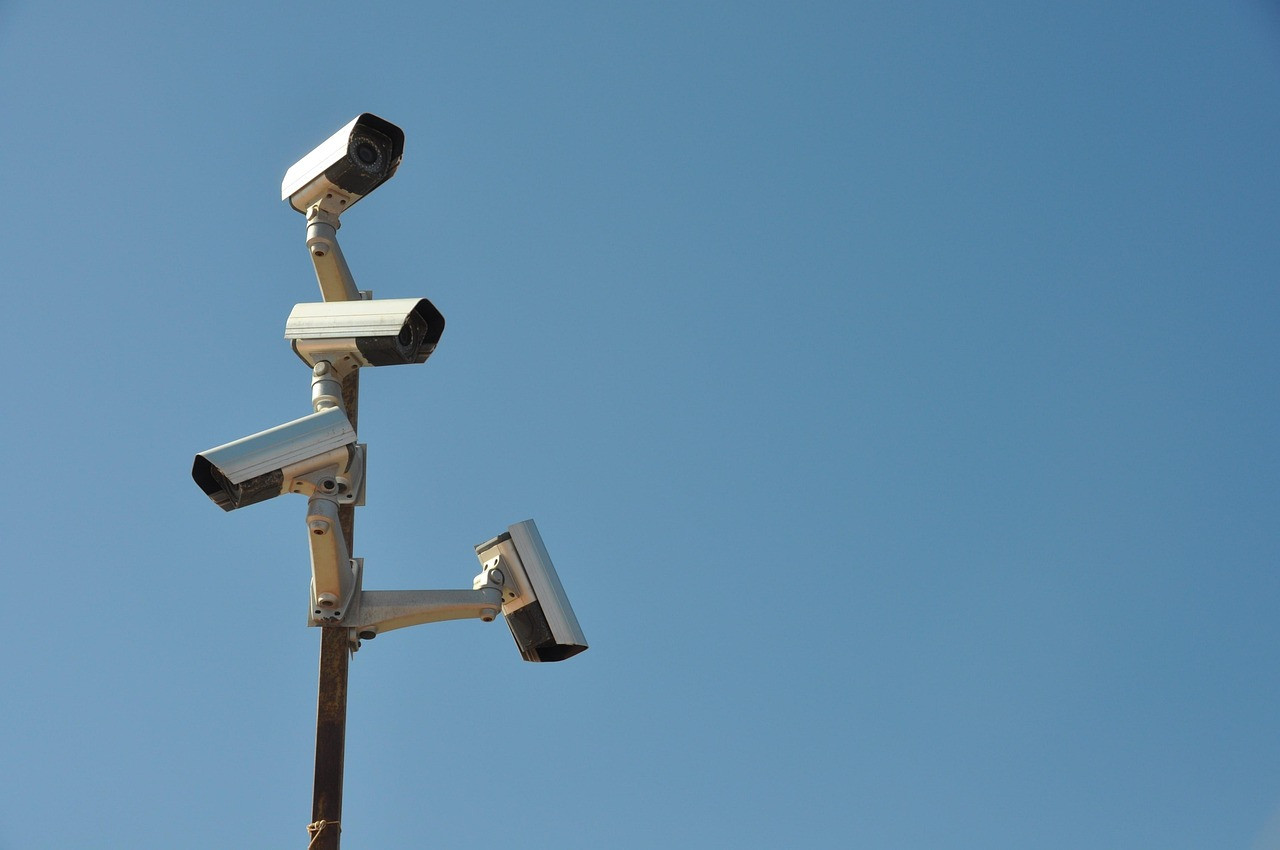
Representative image: Medi2Go / Pixabay
Gujarat Police closed Phase 1 of its Sentinel Hackathon on October 13, 2026, awarding Rs 18 lakh to teams building AI tools for CCTV.
What Happened
Gujarat Police closed the first phase of its Gujarat Police Innovation Challenge 2026, also called the Sentinel Hackathon 2026, at i-Hub in Ahmedabad on October 13, 2026, and gave winning teams a total of Rs 18 lakh in cash prizes. The two-day event asked innovators to build artificial intelligence (AI) tools that work with the state's CCTV camera network. Deputy Chief Minister Harsh Sanghavi presided over the closing ceremony, and the state has said Rs 51 lakh in prize money is available across the challenge's two phases.
Key Facts
- The closing ceremony of Phase 1 was held at i-Hub, Ahmedabad, on October 13, 2026, after two days of demonstrations.
- Organisers reported more than 3,100 registrations and over 1,000 solutions submitted.
- Phase 1 winners across three categories, along with incentive prize winners, shared Rs 18 lakh.
- Total prize money across Phase 1 and Phase 2 is Rs 51 lakh, according to the organisers.
- Teams showed tools running on live CCTV feeds, including automatic number plate recognition, vehicle tracking and watchlist matching.
- The state presented the challenge as the country's largest hackathon on CCTV integration and AI.
- A company named Redapto said it won first prize in Phase 1, Category 1, with an award of Rs 4 lakh.
Why It Matters
For small technology companies, the hardest step is often finding a first serious customer. A government department that publishes a real problem, opens it to anyone and pays prize money is offering more than a trophy: it is a chance to show a working product to the people who may later buy it. Gujarat Police's challenge drew more than 3,100 registrations, which shows how many developers, students and young firms are willing to work on public safety problems when the door is open.
The problem itself is practical. Police forces now have far more camera footage than officers can watch. Automatic number plate recognition, or ANPR, is software that reads vehicle registration plates from video so that a car can be found without a person checking every frame. Vehicle tracking follows the same car across several cameras. Watchlist matching compares what the cameras see against a list of vehicles or people that police are already looking for. Video analytics is the wider term for software that scans video and flags events automatically.
Speaking at the ceremony, Harsh Sanghavi said the aim of bringing in AI and software integration is to cut the time officers spend on routine tasks and to free up the working hours of thousands of constables and officers. Director General of Police G.S. Malik said linking the state's CCTV network with AI and video analytics could help prevent crime, identify suspicious individuals quickly and send real-time alerts.
At the same event, the Ahmedabad City Crime Branch launched two tools. One, called Prati Raksha, is described by the organisers as the country's first consent-based digital identity verification system recognised by the Unique Identification Authority of India (UIDAI). The other, Pathik 2.0, is meant to check the identities of people employed in hotels, paying-guest homes and industrial units through real-time QR codes and face verification.
For founders outside the big metros, the format is worth noting. A state-run challenge with published problems, open registration and staged prizes is one of the few routes where a small team can compete with larger vendors on the quality of a demonstration rather than on size or contacts.
| Phase | What it involves | Prize money |
|---|---|---|
| Phase 1 | Demonstrations at i-Hub, Ahmedabad, ended October 13, 2026 | Rs 18 lakh awarded |
| Phase 1 and Phase 2 combined | Full challenge | Rs 51 lakh available |
Impact
Short-term: Winning teams receive cash and a direct line to senior police officers who can judge whether their tools work in the field. The state's announcement that more prize money is available in a second phase keeps the competition open for other teams.
Long-term: If the police adopt some of these tools, start-ups that took part could gain a reference customer in government, which helps when they approach other states or departments. Wider use of AI on CCTV networks also raises questions about privacy, data handling and accuracy that the police and the companies will need to answer in public.
Who is affected: Technology start-ups, student teams and independent developers in Gujarat and elsewhere; police officers who spend long hours on manual checks; and residents whose movements are recorded by public cameras.
Key Takeaway
Gujarat Police's Sentinel Hackathon drew more than 3,100 registrations and paid Rs 18 lakh to Phase 1 winners on October 13, 2026, with Rs 51 lakh available across both phases for AI tools built on the state's CCTV network.
Questions and Answers
What is the Gujarat Police Innovation Challenge 2026?
It is a hackathon run by Gujarat Police, also called the Sentinel Hackathon 2026, that invites teams to build artificial intelligence tools for the state's CCTV network. Phase 1 ended at i-Hub in Ahmedabad on October 13, 2026.
How much prize money did the Sentinel Hackathon pay?
Phase 1 winners across three categories, along with incentive prize winners, received a total of Rs 18 lakh. The organisers say Rs 51 lakh in total is available across Phase 1 and Phase 2.
What kind of solutions did teams build?
Teams demonstrated tools working on live CCTV feeds, including automatic number plate recognition, tracking a vehicle across cameras and matching what cameras see against police watchlists.
Why is a police hackathon useful for start-ups?
It gives small companies and student teams a real government problem to solve, prize money and a chance to show a working product directly to officers who may later use or buy it.
Disclaimer: Prepared by the Peepals newsroom from publicly available sources with AI assistance. Information is accurate to the best of our knowledge at the time of publication and may change. Images may be representative. Not professional advice. Report an error via our contact page.
Sourced and fact-checked by the Peepals Global Editorial Team
Anirudh Ravichander and Kavya Maran to marry; Chennai reception on November 21
Sonamarg to become year-round destination with skiing, rafting, says Omar Abdullah
Reported, fact-checked and published by the Peepals Global Editorial Team.