
Mission SAFALTA: Haryana halts board-class extra activities from January
 By Aditi KulkarniEducation Writer, Peepals Bharat
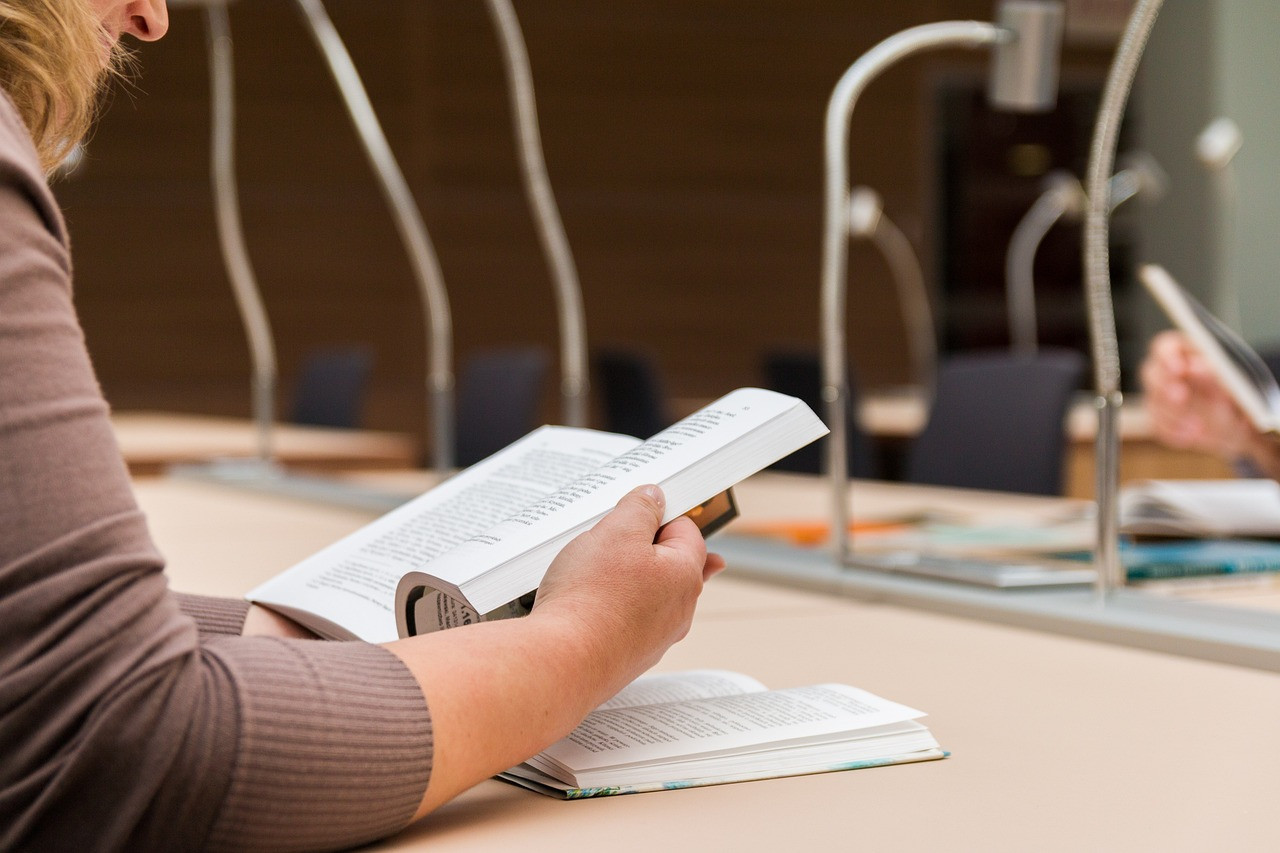
Representative image: jarmoluk / Pixabay
Haryana's Mission SAFALTA, notified on October 23, 2026, suspends non-academic activities for Class 10 and 12 from January 1 and adds weekly tests.
What Happened
Haryana's school education department has launched Mission SAFALTA, a plan to lift Class 10 and Class 12 board examination results in government schools. The Directorate of Secondary Education listed the strategy on its website on Friday, October 23, 2026, and reports on October 24 said schools have been told to stop all non-academic activities for board classes from January 1 until the exams end. The stated aim is zero failures and twice as many schools with a 100 per cent pass rate.
Key Facts
- Mission SAFALTA covers Class 10 and Class 12 board examination results; the directorate's notice is dated October 23, 2026.
- From January 1, 2027, schools must suspend all non-academic activities for Class 10 and 12 students until their board exams are over, and teachers are to be freed from non-teaching duties.
- Schools are to be sorted into red, yellow and green categories by performance.
- Students will take written tests every Saturday to find and fix learning gaps.
- Schools with a pass rate below 50 per cent must run a 30-day academic recovery plan, reviewed every fortnight.
- The plan also includes remedial camps and a seven-pillar framework focused on learning gaps and parents' involvement.
- In Ambala, the district education officer has asked the heads of all 155 government high and senior secondary schools to prepare action plans.
Why It Matters
Board results decide a great deal for a student in Class 10 or 12: the stream they can pick, the college they can reach and, for many in government schools, whether they continue studying at all. A plan that changes how the last months before the exams are spent therefore touches lakhs of families across Haryana's districts, especially in rural areas where the government school is often the only option.
The core idea of Mission SAFALTA is to protect teaching time. Teachers in government schools are often pulled into events, surveys and administrative work, and board classes lose days in the busiest part of the year. By declaring January onwards a zero-interruption period and freeing teachers from non-teaching duties, the department is trying to make sure revision happens in class rather than being squeezed out. Weekly Saturday tests are meant to show teachers early which students are falling behind, so that remedial help reaches them before the exam rather than after the result.
The red-yellow-green rating and the 30-day recovery plan for schools below a 50 per cent pass rate show where the pressure will fall. Weak schools are being named and given a short, reviewed plan. The department has not, in the material available, published the exact criteria for each colour, so it is not yet clear how schools will be graded or what happens to a school that stays in the red. The problem the plan targets is real: in May 2025 the Haryana board identified 100 under-performing schools in its Class 12 results, 18 of which had a 0 per cent pass rate.
| What changes | Before | Under Mission SAFALTA |
|---|---|---|
| Non-academic activities for Classes 10 and 12 | Continued through the session | Suspended from January 1 till exams end |
| Testing | Periodic tests | Written test every Saturday |
| Weak schools | Identified after results | Below 50% pass rate: 30-day recovery plan, fortnightly review |
| School rating | No colour system | Red, yellow and green categories |
Impact
Short-term: Students in Classes 10 and 12 will face more frequent tests and more revision and remedial classes, and fewer events, from now to the board exams. Heads of schools must draw up action plans, as Ambala's 155 government schools have been asked to do, and teachers in weaker schools will be under closer review.
Long-term: If the plan works, more students in government schools should pass their boards and move on to higher studies or skilled training. The results of the 2027 board exams will be the first test of whether the target of zero failures and twice as many 100 per cent schools is within reach.
Who is affected: Class 10 and 12 students in Haryana's government schools and their parents; teachers and principals, especially in schools with low pass rates; district education officers, who must monitor the plans.
Key Takeaway
Haryana's Mission SAFALTA suspends non-academic activities for board classes from January 1, adds weekly Saturday tests and puts weak schools on 30-day recovery plans, aiming for zero failures in the 2027 board exams.
Questions and Answers
What is Mission SAFALTA in Haryana?
It is the Haryana school education department's plan, notified on October 23, 2026, to improve Class 10 and 12 board results in government schools through weekly tests, remedial camps, a red-yellow-green school rating and protected teaching time.
Will there be school events for Class 10 and 12 students from January?
No. Schools have been told to suspend all non-academic activities for Class 10 and 12 students from January 1 until their board examinations end, and to free teachers from non-teaching duties.
What happens to schools with poor results?
Schools with a pass rate below 50 per cent must carry out a 30-day academic recovery plan, which will be reviewed every fortnight.
What should Class 10 and 12 students in Haryana do now?
Expect a written test every Saturday and use the results to find weak topics early. Students who struggle should ask their school about remedial classes, which are part of the plan.
Disclaimer: Prepared by the Peepals newsroom from publicly available sources with AI assistance. Information is accurate to the best of our knowledge at the time of publication and may change. Images may be representative. Not professional advice. Report an error via our contact page.
By Aditi Kulkarni, Education WriterCovers Education and more for Peepals Bharat. All stories by Aditi Kulkarni
Bengaluru's Tradl raises $4.1 million seed for AI tools for retail traders
Jamia extends online classes till November 8, moves mid-term exams online
Get the day's stories in your inbox
Peepals Weekly: the week decoded, free. One email a week, unsubscribe in one click.
Aditi Kulkarni is a pen name of the Peepals Global Editorial Team, which researches, fact-checks and publishes every story. The portrait is an illustration.