
Cyclone Arnab intensifies; Centre's crisis panel puts forces on standby
 By Meera IyerGovernance & Policy Editor, Peepals Bharat
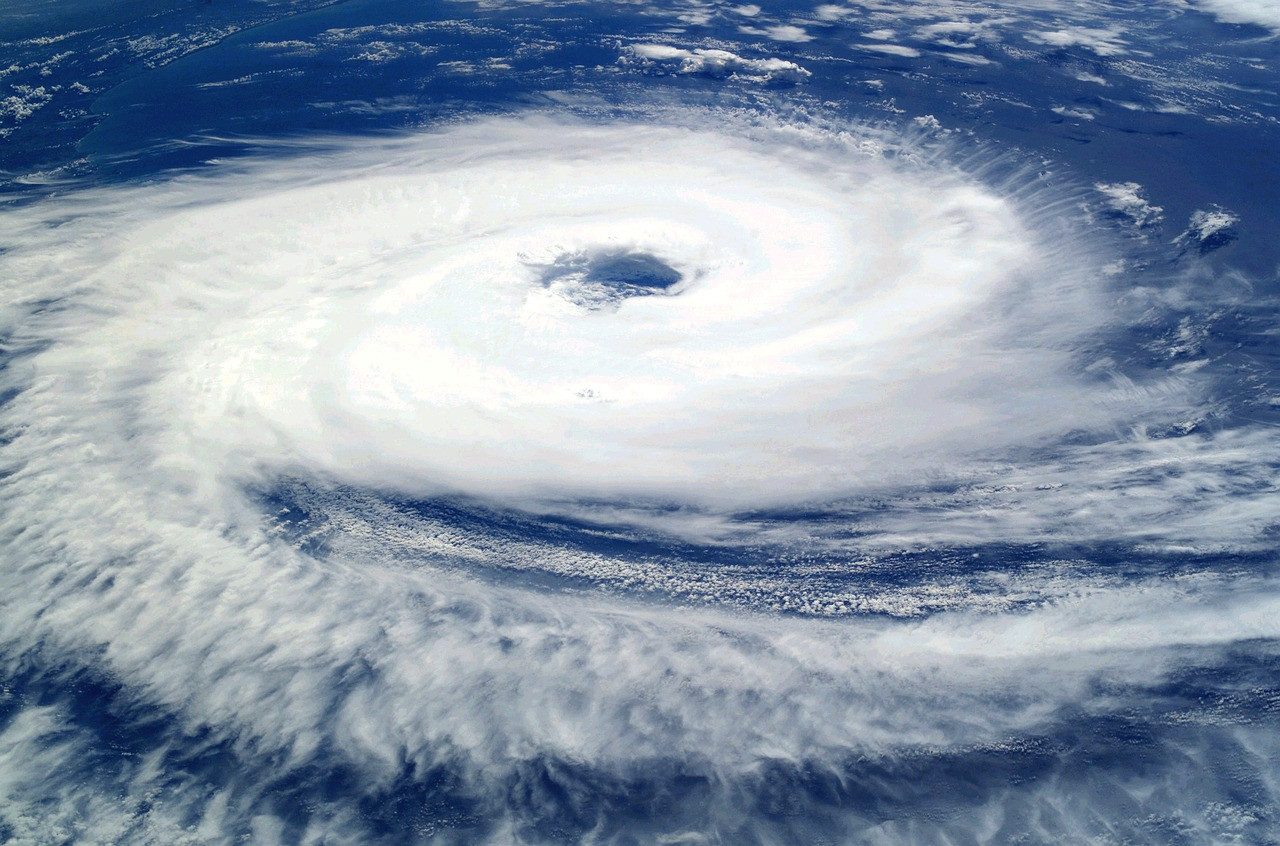
Representative image: WikiImages / Pixabay
Cyclone Arnab intensified on October 27, 2026, as the national crisis committee reviewed readiness; Army, Navy, Air Force and Coast Guard teams are on standby before landfall.
What Happened
Cyclone Arnab strengthened over the Bay of Bengal on Tuesday, October 27, 2026, as the Centre and coastal states moved from warnings to deployment. On Monday, October 26, Cabinet Secretary T. V. Somanathan chaired a meeting of the National Crisis Management Committee (NCMC) and said the aim must be to prevent any loss of life. Rescue teams of the Army, Navy, Air Force and Indian Coast Guard, with ships and aircraft, have been kept ready, alongside the national and state disaster response forces. The India Meteorological Department (IMD) expects the storm to cross the coast of Andhra Pradesh and Yanam between Bapatla and Visakhapatnam by the forenoon of Wednesday, October 28, as a very severe cyclonic storm.
Key Facts
- Forecast landfall: between Bapatla and Visakhapatnam, Andhra Pradesh and Yanam coasts, by the forenoon of October 28.
- Expected strength: very severe cyclonic storm, sustained winds of 115 to 125 kmph, gusting to 140 kmph.
- Centre's review: NCMC meeting chaired by Cabinet Secretary T. V. Somanathan on October 26.
- Aim set by the Cabinet Secretary: prevent loss of life, limit damage, and restore essential services quickly.
- Forces: NDRF and SDRF teams on standby; Army, Navy, Air Force and Coast Guard teams with ships and aircraft kept ready.
- Andhra Pradesh: 16 districts on high alert; NDRF teams stationed in districts including Kakinada, Eluru and Machilipatnam, according to reports.
- Fishing: fishermen advised not to go to sea from October 26 to 29.
- Wider alert: eastern Uttar Pradesh and Bihar to be warned of heavy rain; Jharkhand and West Bengal also on alert.
Why It Matters
India's approach to cyclones is to track a storm days ahead, move people out of harm's way before landfall, and pre-position rescue teams, rather than respond only after the damage. The NCMC, a standing committee of senior central officials led by the Cabinet Secretary, is the top level of that system. Its meeting is where the Centre and the affected states agree on what each will do and what help is needed. The Cabinet Secretary's instruction to aim at preventing any loss of life sets the standard against which the response will be judged.
The storm's track explains the scale of the alert. Sustained winds of 115 to 125 kmph are strong enough to bring down trees, power lines and weak houses, and to push sea water inland along low-lying coasts. The landfall zone between Bapatla and Visakhapatnam takes in densely populated districts, ports and farmland where the paddy crop is close to harvest. After landfall, the remnants of the storm are expected to bring heavy rain far inland, which is why states as distant as Bihar and eastern Uttar Pradesh are being warned.
For citizens, the practical steps are the ones already announced by the states: schools closed in the affected districts, fishing banned, shelters opened and evacuation plans in place. Officials of the affected states told the NCMC that shelters and evacuation arrangements were ready and district control rooms had been activated.
| Level | What has been put in place |
|---|---|
| Centre | NCMC review on October 26; armed forces and Coast Guard on standby |
| NDRF and SDRF | Teams positioned in high-risk districts, more on standby |
| States | Shelters, evacuation plans, district control rooms, school closures |
| Fishermen | Advised not to venture to sea from October 26 to 29 |
Impact
Short-term: Strong winds and heavy rain are expected along the Andhra Pradesh coast on October 28, with power cuts, road blockages and disruption to rail and air travel likely. People in low-lying coastal areas may be moved to shelters before the storm arrives.
Long-term: The response will test the zero-casualty approach again. Once the storm passes, the focus will move to restoring power and roads and assessing crop and house damage for relief payments.
Who is affected: Residents of coastal Andhra Pradesh and Yanam, people in neighbouring Odisha, fishermen along the east coast, farmers with standing paddy, and people in states inland expecting heavy rain.
Key Takeaway
With Cyclone Arnab due to cross the Andhra coast on October 28 as a very severe storm, the Centre has set preventing any loss of life as the goal and placed disaster teams and the armed forces on standby.
Questions and Answers
Where and when will very severe cyclonic storm Arnab make landfall?
The IMD expects it to cross the Andhra Pradesh and Yanam coasts between Bapatla and Visakhapatnam by the forenoon of October 28, 2026.
How strong will Cyclone Arnab be?
It is forecast to be a very severe cyclonic storm at landfall, with sustained winds of 115 to 125 kmph, gusting to 140 kmph.
What has the Centre done to prepare?
The National Crisis Management Committee, chaired by Cabinet Secretary T. V. Somanathan, reviewed preparations on October 26. NDRF and SDRF teams and the Army, Navy, Air Force and Coast Guard have been kept ready.
Which other states should expect heavy rain?
Alerts cover Odisha, and heavy rain warnings extend to Jharkhand, West Bengal, Bihar and eastern Uttar Pradesh as the storm's remnants move inland.
Disclaimer: Prepared by the Peepals newsroom from publicly available sources with AI assistance. Information is accurate to the best of our knowledge at the time of publication and may change. Images may be representative. Not professional advice. Report an error via our contact page.
By Meera Iyer, Governance & Policy EditorCovers Governance & Policy and more for Peepals Bharat. All stories by Meera Iyer
Scene: Suriya's DSP Inbaraj glimpse out ahead of November 6 Diwali release
IOB September-quarter earnings climb 56% as lending income grows 26%
Get the day's stories in your inbox
Peepals Weekly: the week decoded, free. One email a week, unsubscribe in one click.
Meera Iyer is a pen name of the Peepals Global Editorial Team, which researches, fact-checks and publishes every story. The portrait is an illustration.