
Delhi plans first-aid rooms, health workers in all 1,086 government schools
 By Aditi KulkarniEducation Writer, Peepals Bharat
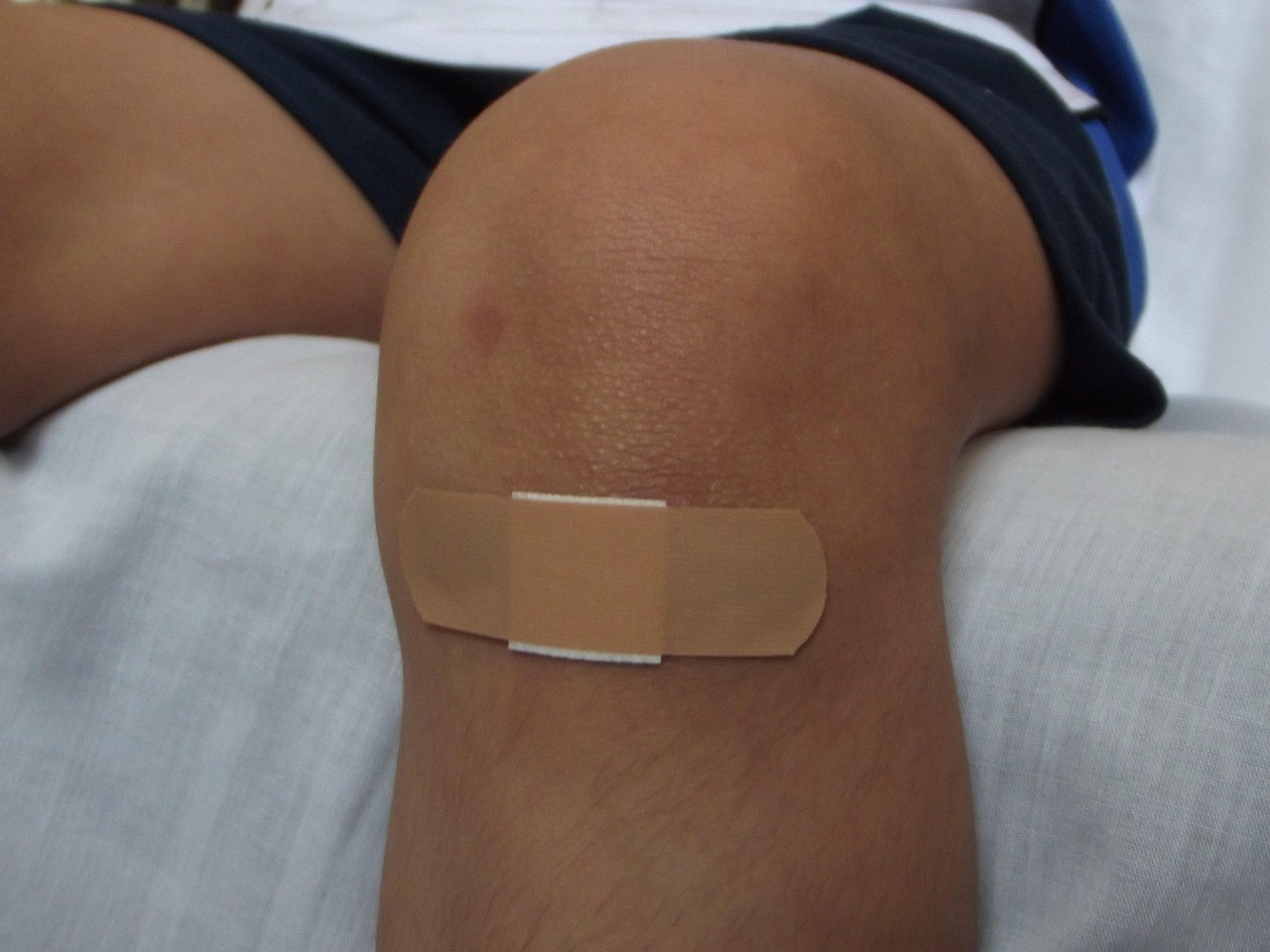
Representative image: saulhm / Pixabay
Delhi has proposed first-aid rooms with a trained health worker in all 1,086 government schools at Rs 48.87 crore a year, reported on October 25, 2026.
What Happened
The Delhi government has proposed setting up first-aid rooms, each staffed by a trained health worker, in all 1,086 government schools run by its Directorate of Education, at an estimated cost of Rs 48.87 crore a year, according to plans reported on Saturday, October 25, 2026. Education Minister Ashish Sood is leading the proposal, which is to be rolled out in phases. The rooms will offer basic first aid, oral rehydration and a place to rest, along with a private space for girls during menstruation, but no diagnosis or prescription medicines.
Key Facts
- Coverage: all 1,086 government schools under Delhi's Directorate of Education.
- Estimated cost: Rs 48.87 crore a year, which works out to roughly Rs 4.5 lakh per school annually.
- Staff: one trained health worker per school, such as an auxiliary nurse midwife (ANM) or a multipurpose health worker, who will also support adolescent health needs.
- Services: wound dressing, oral rehydration salts (ORS) and temporary rest under supervision; no diagnostic services or prescription medicines inside schools.
- A safe, private space will be provided for girl students who need it during menstruation.
- Rollout in phases: schools with a spare separate room first, then schools where another room can be adapted, with porta cabins considered where no room is available.
- The government links the plan to the National Education Policy (NEP) 2020's emphasis on safe and supportive learning environments.
Why It Matters
Every school day, children fall in playgrounds, faint in morning assemblies in the heat, get stomach upsets or feel unwell in class. In many government schools there is no designated room or trained person to deal with these moments, so a teacher has to take charge, a child is sent home, or parents are called in from work. The minister has tied the proposal to precisely these everyday situations: minor injuries, sudden illness and dizziness during school hours.
The plan matters most for students from poorer families, who make up much of the enrolment in government schools and are less likely to have a parent who can leave work at short notice or pay for a private clinic visit. A trained health worker who can clean a wound, give ORS to a dehydrated child or watch over a student until a parent arrives can prevent small problems from becoming serious ones and can tell when a child needs to be taken to a hospital.
The proposal also addresses an issue that affects girls' attendance. Menstrual health support in schools, including a clean and private space, is widely seen as one of the practical steps that help adolescent girls stay in class rather than miss days each month. Including such a space in every first-aid room makes this part of the school's routine rather than a special arrangement.
The limits of the plan are deliberate. The rooms are not meant to be clinics. There will be no diagnosis and no prescription drugs, which keeps the health worker's role to first response and referral and avoids the legal and medical risks of treating children without a doctor. The phased approach also reflects a practical constraint: many government schools in Delhi are short of space, which is why porta cabins are being considered where no room can be spared.
What remains unclear is the timeline. Reports describe the plan as a proposal, and no date has been given for when the first rooms will open or when all 1,086 schools will be covered. The recruitment of more than a thousand trained health workers will also take time.
Delhi's school first-aid plan at a glance Item | Detail Schools covered | 1,086 government schools Annual cost | Rs 48.87 crore (estimate) Staff per school | One ANM or multipurpose health worker Not provided | Diagnosis, prescription medicines
Impact
Short-term: Once approved and staffed, schools with spare rooms are expected to be covered first, giving students and teachers immediate help with injuries, fainting and illness during school hours.
Long-term: A permanent health worker in every school could support wider adolescent health work, from menstrual hygiene to early identification of children who need medical attention, and may reduce absences caused by minor health problems.
Who is affected: Students and teachers in Delhi's government schools and their parents; trained ANMs and multipurpose health workers, for whom the plan creates jobs; and other states, which may look at Delhi's model for their own schools.
Key Takeaway
Delhi plans to put a trained health worker and a first-aid room in each of its 1,086 government schools at about Rs 48.87 crore a year, though no rollout date has yet been announced.
Questions and Answers
What has the Delhi government proposed for government schools?
It has proposed first-aid rooms in all 1,086 government schools under the Directorate of Education, each with one trained health worker such as an ANM or multipurpose health worker, at an estimated Rs 48.87 crore a year.
Will students get medicines or treatment in these school medical rooms?
Only basic first aid: wound dressing, ORS and supervised rest. The rooms will not offer diagnostic services or prescription medicines; a child who needs more care would be referred onward.
When will Delhi government schools get first-aid rooms?
No date has been announced. The plan will be rolled out in phases, starting with schools that have a separate room available, then schools that can adapt another room, with porta cabins considered for the rest.
How will the plan help girl students?
Each room will include a safe and private space for girls who need it during menstruation, supervised by the trained health worker.
Disclaimer: Prepared by the Peepals newsroom from publicly available sources with AI assistance. Information is accurate to the best of our knowledge at the time of publication and may change. Images may be representative. Not professional advice. Report an error via our contact page.
By Aditi Kulkarni, Education WriterCovers Education and more for Peepals Bharat. All stories by Aditi Kulkarni
Kotak Mahindra Bank Q2 profit rises 29% as NRI deposits squeeze margin
Amaha raising Rs 100 crore to build mental health hospitals
Aditi Kulkarni is a pen name of the Peepals Global Editorial Team, which researches, fact-checks and publishes every story. The portrait is an illustration.