
Himalayan building boom: 2.9 lakh people in flood-prone homes, study finds
 By Meera IyerGovernance & Policy Editor, Peepals Bharat
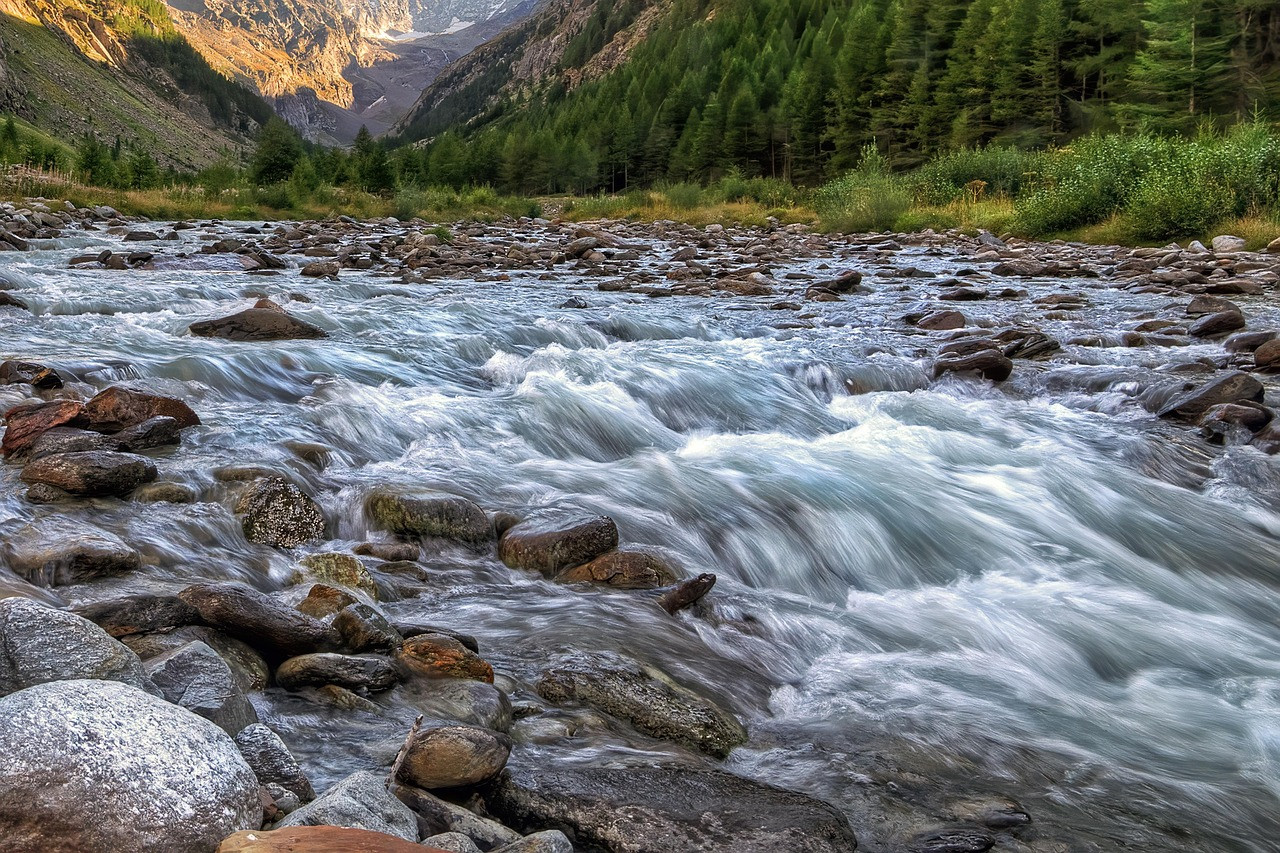
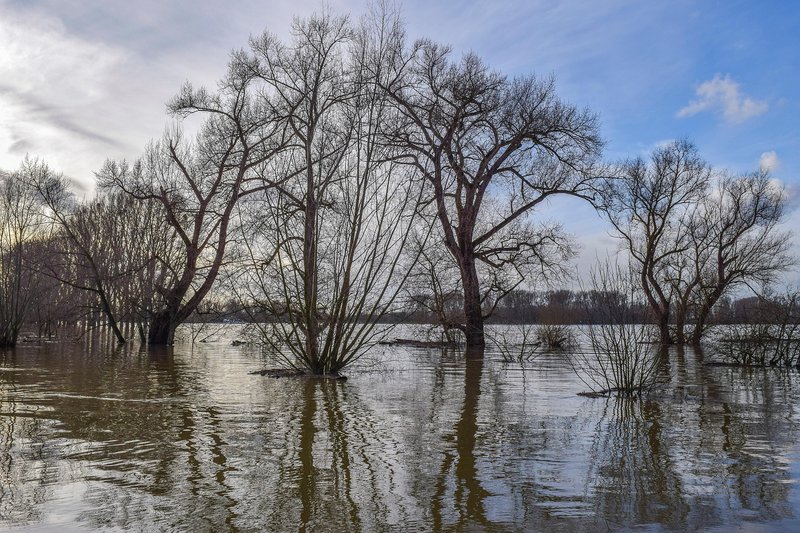
Representative image: Camera-man / Pixabay
A Scientific Reports study, reported October 28-29, 2026, finds building near Himalayan rivers in Uttarakhand, Nepal and Tibet rose about 45% from 2016 to 2023.
What Happened
Building in the parts of the Himalaya most exposed to river and glacial lake floods has grown fast, putting about 293,800 people in harm's way, according to a study published in the journal Scientific Reports and reported on October 28 and 29, 2026. Researchers from the UK, Nepal and India, led by Scott Watson, mapped buildings in northern Nepal, south-eastern Tibet and parts of Uttarakhand and found that the built-up area close to river channels rose by about 45% between 2016 and 2023, while building inside the zones that a glacial lake outburst would flood grew by about 77%. The paper links the growth to tourism and infrastructure development along river valleys.
Key Facts
- Journal: Scientific Reports; nine researchers from the UK, Nepal and India.
- Study area: settlements along Himalayan rivers up to 50 km downstream of about 1,360 glacial lakes in northern Nepal, south-eastern Tibet and Uttarakhand.
- Buildings within 50 vertical metres of a river channel, used as a measure of flood exposure, grew by about 45% from 2016 to 2023.
- Building area inside potential glacial lake outburst flood zones grew by about 77%.
- About 293,800 people, roughly 18% of the population of the study area, may live in exposed buildings in 2026; the authors say the true number could be higher.
- The paper says tourism-driven building along river corridors has been documented in many Indian Himalayan valleys.
Why It Matters
A glacial lake outburst flood happens when a lake formed by a melting glacier breaks through the loose rock and ice that holds it back. The water can rush down a valley with little warning, carrying boulders and debris and destroying anything on the riverbank. As glaciers retreat in a warming climate, more such lakes are forming and growing. The study's point is that the danger is rising from both sides: more lakes, and more homes, hotels and other buildings on the flat land beside rivers, which is exactly where floods strike.
For Uttarakhand, the findings land close to home. The paper notes that unregulated, tourism-driven building on river corridors has been recorded in many Indian Himalayan valleys and expects population growth in these areas to continue, driven by infrastructure and tourism. That growth brings jobs and income to mountain districts, but each new building on a floodplain adds to the losses when a flood comes. Lead author Scott Watson warned that the development decisions made now will shape disaster risk for decades.
There are signs that policy is moving. Uttarakhand's government approved new floodplain zoning regulations on October 12, 2026, meant to control land use and building close to rivers. How strictly such rules are applied, and whether they reach the fast-growing tourist towns, will decide whether the trend the study measured slows down.
| Measure | Change, 2016 to 2023 |
|---|---|
| Buildings near river channels | About 45% more |
| Buildings in glacial lake flood zones | About 77% more |
| People in exposed buildings (2026 estimate) | About 293,800 |
Impact
Short-term: The study gives planners and district administrations a map of where exposure is rising fastest. For travellers, it is a reminder to follow local weather and flood warnings in Himalayan valleys and to prefer stays away from the immediate riverbank, especially in the monsoon.
Long-term: Unless building on river margins is controlled, the number of people and the value of property exposed to floods will keep rising as more glacial lakes form. Early warning systems for high-risk lakes, zoning that keeps new building off the most dangerous land, and safer siting of tourist infrastructure are the main tools available.
Who is affected: Residents of Himalayan river valleys in Uttarakhand, Nepal and Tibet; hotel, homestay and shop owners who depend on tourism along rivers; pilgrims and tourists who travel through these valleys; and the state and district authorities responsible for zoning and disaster management.
Key Takeaway
A Scientific Reports study finds building near Himalayan rivers grew about 45% from 2016 to 2023, leaving about 293,800 people in flood-exposed buildings, with tourism-driven growth in valleys such as Uttarakhand's a key factor.
Questions and Answers
What did the Himalayan building boom study find?
It found that the built-up area within 50 vertical metres of Himalayan river channels grew by about 45% between 2016 and 2023, and building inside glacial lake outburst flood zones grew by about 77%. About 293,800 people may now live in exposed buildings.
Which areas did the study cover?
Settlements along rivers downstream of about 1,360 glacial lakes in northern Nepal, south-eastern Tibet and parts of Uttarakhand in India.
What is a glacial lake outburst flood?
It is a sudden flood caused when a lake formed by a melting glacier bursts through the natural dam of rock, ice or debris holding it back, sending water and debris rushing down the valley.
What is Uttarakhand doing about building near rivers?
The Uttarakhand government approved new floodplain zoning regulations on October 12, 2026, intended to control land use and development close to rivers.
Disclaimer: Prepared by the Peepals newsroom from publicly available sources with AI assistance. Information is accurate to the best of our knowledge at the time of publication and may change. Images may be representative. Not professional advice. Report an error via our contact page.
By Meera Iyer, Governance & Policy EditorCovers Governance & Policy and more for Peepals Bharat. All stories by Meera Iyer
Get the day's stories in your inbox
Peepals Weekly: the week decoded, free. One email a week, unsubscribe in one click.
Meera Iyer is a pen name of the Peepals Global Editorial Team, which researches, fact-checks and publishes every story. The portrait is an illustration.