
J&K Homestay Policy 2026: one to eight rooms, registration in 28 days
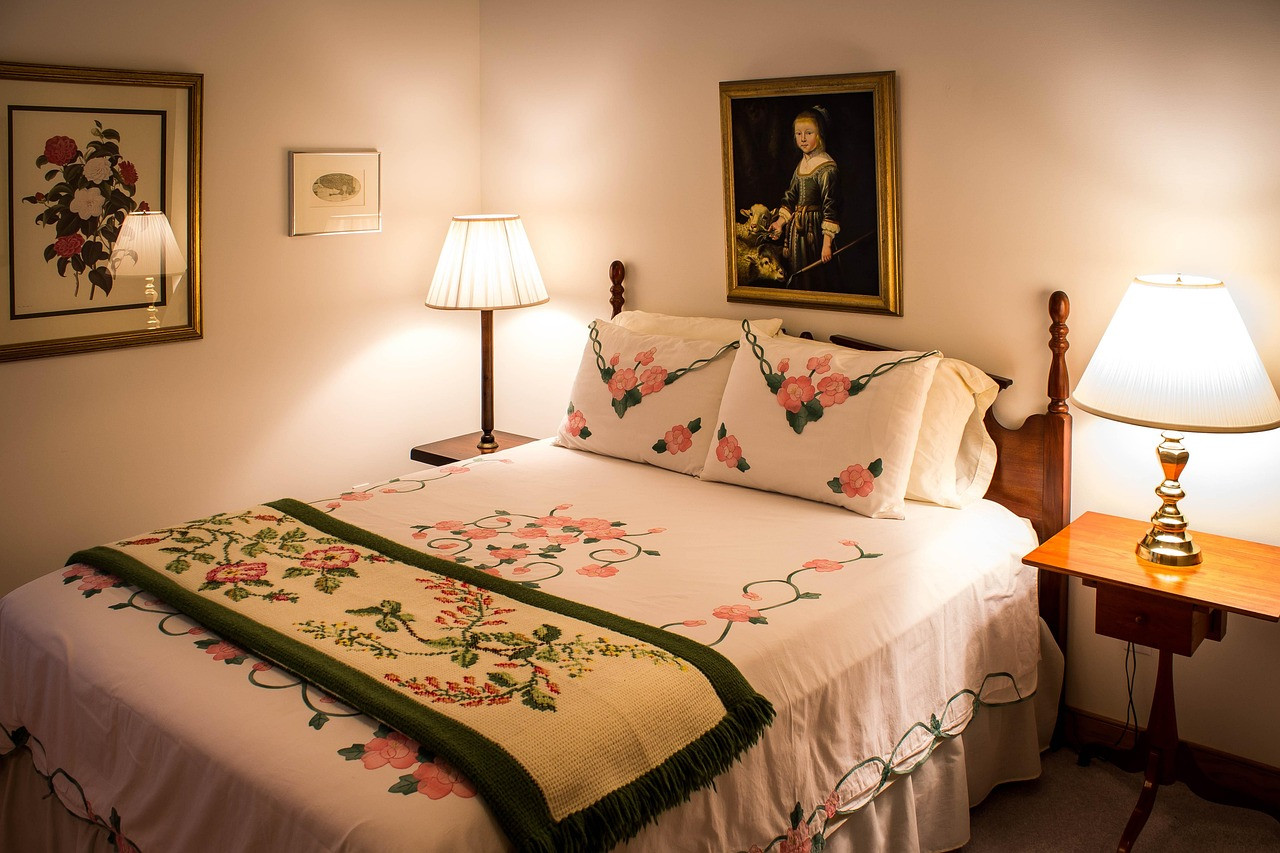
Representative image: JamesDeMers / Pixabay
Jammu and Kashmir notified its Homestay Policy 2026 on October 14, letting resident owners rent 1-8 rooms with 28-day registration and residential utility rates.
What Happened
The Jammu and Kashmir government has notified its Homestay Policy 2026, which lets residents rent out between one and eight rooms in their own homes to tourists, with faster registration, residential rates for electricity and water, and access to subsidised loans. Chief Minister Omar Abdullah announced the notification on October 14, 2026, after approval by the Council of Ministers, and described it as a step towards sustainable tourism and local entrepreneurship. The policy aims to spread tourist accommodation to rural, border, heritage and emerging destinations.
Key Facts
- Owners must live on the premises and may offer one to eight guest rooms.
- Homestays will be graded Silver or Gold according to facilities, hygiene and safety standards.
- Provisional Silver registration is to be granted within 28 days of a complete application and is valid for six months.
- Homes not used by families as their own residence can register separately as Bed and Breakfast establishments.
- Operators pay electricity and water charges at residential, not commercial, rates.
- A subsidy of up to 35% is available under the Prime Minister's Employment Generation Programme (PMEGP), on projects of up to Rs 20 lakh, subject to the scheme's conditions.
- Reports say solar subsidies under PM Surya Ghar and low-cost credit from J&K Bank are also part of the support.
Why It Matters
Tourism in Jammu and Kashmir has been concentrated around a few well-known destinations such as Srinagar, and taking visitors beyond them is widely seen as the real test of the region's homestay growth. Many villages that could attract visitors have little or no formal accommodation. A homestay, in which a family hosts guests in its own house, is the cheapest way to create rooms in such places, because it uses buildings that already exist and keeps the money with local households.
The policy tries to remove the usual obstacles. A promise of provisional registration within 28 days gives families a clear time line. Paying for power and water at commercial rates can wipe out the profit from a few rooms, so allowing residential rates makes small operations viable. The Silver and Gold grading gives tourists some assurance about standards, which matters for families who have never run a guest business before. And the link to PMEGP, a central scheme that subsidises small enterprises, gives would-be hosts a way to pay for renovation, bathrooms and furnishing.
The requirement that the owner live on the premises is important. It keeps homestays as family businesses rather than small hotels run by outside investors.
For travellers, the policy could mean more choice outside the main tourist towns, often at lower prices, along with a chance to stay with local families and experience village life. For the government, it fits the aim, stated in the policy, of spreading tourism to rural, border and heritage areas and creating local jobs.
J&K Homestay Policy 2026: what it means for hosts Item | What the policy provides Rooms allowed | 1 to 8, owner must live on the premises Grades | Silver and Gold Provisional registration | within 28 days, valid six months Utility charges | residential rates for electricity and water Financial support | PMEGP subsidy up to 35% on projects up to Rs 20 lakh
Impact
Short-term: Families in villages and smaller towns can apply to register their homes, and existing informal homestays can come into the formal system. Tourism officials will need to process applications within the promised 28 days.
Long-term: If many families take part, Jammu and Kashmir could add rooms in places that now have none, spreading visitor spending and jobs beyond the main tourist circuits. Success will depend on roads, connectivity, safety and marketing reaching those places too.
Who is affected: Households in rural, border and heritage areas of Jammu and Kashmir; tourists looking for affordable stays; local guides, drivers, cooks and craftspeople; and banks and agencies handling PMEGP loans.
Key Takeaway
Jammu and Kashmir's Homestay Policy 2026, notified on October 14, 2026, lets resident owners rent one to eight rooms with registration in 28 days, residential utility rates and a PMEGP subsidy of up to 35%, to spread tourism to villages and border areas.
Questions and Answers
Who can open a homestay under the J&K Homestay Policy 2026?
A resident owner who lives on the premises can offer between one and eight rooms to tourists. Homes not used by families as their own residence can register separately as Bed and Breakfast establishments.
How long does homestay registration take in Jammu and Kashmir?
Under the policy, provisional Silver registration is to be granted within 28 days of a complete application and is valid for six months.
What financial help is available for homestay owners in J&K?
The policy links hosts to a subsidy of up to 35% under the Prime Minister's Employment Generation Programme on projects of up to Rs 20 lakh, subject to the scheme's conditions. Electricity and water are charged at residential rates.
When was the J&K Homestay Policy 2026 notified?
Chief Minister Omar Abdullah announced on October 14, 2026 that the policy had been notified after approval by the Council of Ministers.
Disclaimer: Prepared by the Peepals newsroom from publicly available sources with AI assistance. Information is accurate to the best of our knowledge at the time of publication and may change. Images may be representative. Not professional advice. Report an error via our contact page.
Sourced and fact-checked by the Peepals Global Editorial Team
Ramayana advance booking stalls as distributors seek 60% first-week share
Zen Technologies to take 52% of start-up Cogknit for Rs 135 crore
Reported, fact-checked and published by the Peepals Global Editorial Team.