
Nexon Geochem plans Rs 1,250 crore rare-earth magnet plant in Kakinada
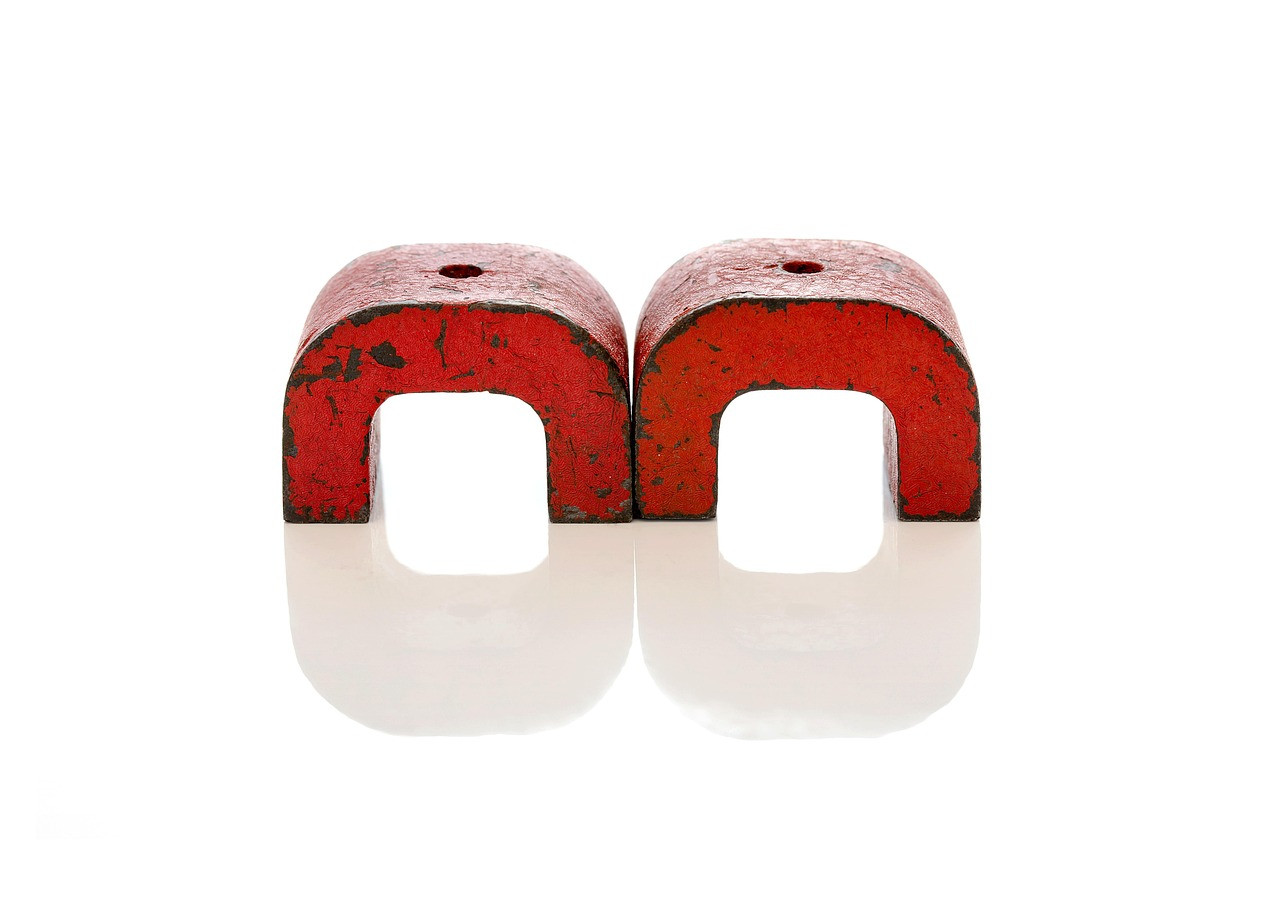
Representative image: matthewsjackie / Pixabay
Nexon Geochem signed an MoU with Andhra Pradesh on October 14, 2026 for a Rs 1,250 crore, 600-tonne rare-earth magnet plant in Kakinada district.
What Happened
Nexon Geochem has signed an agreement with the Andhra Pradesh Economic Development Board to build a Rs 1,250 crore plant at Thondangi in Kakinada district that will make rare-earth permanent magnets, the company and state agency announced on October 14, 2026. The plant is planned in two phases, with Rs 750 crore in the first and Rs 500 crore in the second, and a capacity of 600 tonnes of finished magnets a year. The first phase is targeted to start operations by April 2029.
Key Facts
- Investment: Rs 1,250 crore in two phases, Rs 750 crore first and Rs 500 crore later.
- Location: Thondangi, Kakinada district, Andhra Pradesh; the memorandum of understanding (MoU) was signed with the Andhra Pradesh Economic Development Board on October 14, 2026.
- Product: sintered NdFeB (neodymium-iron-boron) permanent magnets, the strongest kind of permanent magnet in common use.
- Planned capacity: 600 tonnes of finished magnets a year.
- Timeline: first phase operations by April 2029; the second phase is aimed at expanding capacity by April 2035.
- Jobs: the project is expected to create 886 jobs, according to reports; the company has not separately confirmed the figure.
- The project fits the Centre's scheme for rare earth permanent magnets (REPM), which aims to build India's first integrated domestic manufacturing chain for these high-value magnets.
Why It Matters
Rare-earth permanent magnets are small parts with a large role in modern industry. They are what make compact, powerful electric motors possible, so they are found in electric vehicles, two-wheeler motors, wind turbines, drones, industrial robots, phones and many defence systems. A sintered magnet is made by pressing fine metal powder and heating it until the particles fuse, which gives the strongest and most stable magnets.
India's problem has been that it does not have a full domestic chain for making them. The Centre's REPM scheme was designed precisely to change that, by backing integrated plants that take rare-earth materials through to finished magnets within the country. A 600-tonne plant is modest next to the country's long-term needs, but it is a real, located, funded project with a time line, which is what the policy needs to move from paper to production.
Location matters too. Andhra Pradesh is actively courting large manufacturing projects: state minister Bharath has set out a target of Rs 23 lakh crore of investment and 20 lakh jobs over five years. For the state, a plant in a high-technology field such as magnets adds to its pitch as a base for electronics and electric-vehicle supply chains, beyond the investment amount itself.
The long timeline is worth noting. With first production targeted for April 2029 and full expansion by April 2035, the project will not change India's magnet supply quickly. The outcome will depend on the company securing land, approvals, technology and a steady supply of rare-earth materials, and on demand from carmakers and electronics firms holding up.
Nexon Geochem rare-earth magnet project at a glance Item | Detail Investment | Rs 1,250 crore (Rs 750 crore phase one, Rs 500 crore phase two) Site | Thondangi, Kakinada district, Andhra Pradesh Capacity | 600 tonnes of finished magnets a year First production | by April 2029 Expansion | by April 2035
Impact
Short-term: The MoU sets off land allocation, approvals and detailed project planning. Local businesses in Kakinada may see early demand from construction and services once work begins.
Long-term: If built on schedule, the plant would add domestic supply of a part that Indian makers of electric vehicles, electronics and defence equipment need, and would support the goals of the REPM scheme. It would also create skilled jobs in a field where India has had little manufacturing experience.
Who is affected: Electric-vehicle and electronics manufacturers in India, defence equipment makers, job seekers in Kakinada district and coastal Andhra Pradesh, and the state and central agencies backing domestic rare-earth manufacturing.
Key Takeaway
Nexon Geochem's Rs 1,250 crore plan for a 600-tonne rare-earth magnet plant in Kakinada, agreed with Andhra Pradesh on October 14, 2026, is a concrete step towards making these key industrial magnets in India, though first production is not due until April 2029.
Questions and Answers
What has Nexon Geochem announced in Andhra Pradesh?
It signed an MoU with the Andhra Pradesh Economic Development Board on October 14, 2026 to set up a Rs 1,250 crore plant at Thondangi in Kakinada district to make sintered rare-earth permanent magnets, with capacity of 600 tonnes a year.
What are rare-earth permanent magnets used for?
They are strong, compact magnets used in electric vehicle motors, wind turbines, drones, robots, electronics and defence systems. Sintered NdFeB magnets, made from neodymium, iron and boron, are the strongest type in common use.
When will the Kakinada magnet plant start production?
The first phase, costing Rs 750 crore, is targeted to begin operations by April 2029. A second phase of Rs 500 crore is aimed at expanding capacity by April 2035.
How many jobs will the plant create?
Reports put the expected employment at 886 jobs. The company has not separately confirmed the number.
Disclaimer: Prepared by the Peepals newsroom from publicly available sources with AI assistance. Information is accurate to the best of our knowledge at the time of publication and may change. Images may be representative. Not professional advice. Report an error via our contact page.
Sourced and fact-checked by the Peepals Global Editorial Team
Cockroach Janta Party leaders Ranka, Das kept in custody two more days
Ranabaali box office day 4: Vijay-Rashmika film drops 28% on Monday
Reported, fact-checked and published by the Peepals Global Editorial Team.