
Kotak Mahindra Bank Q2 profit rises 29% as NRI deposits squeeze margin
 By Siddharth VermaBusiness Correspondent, Peepals Bharat
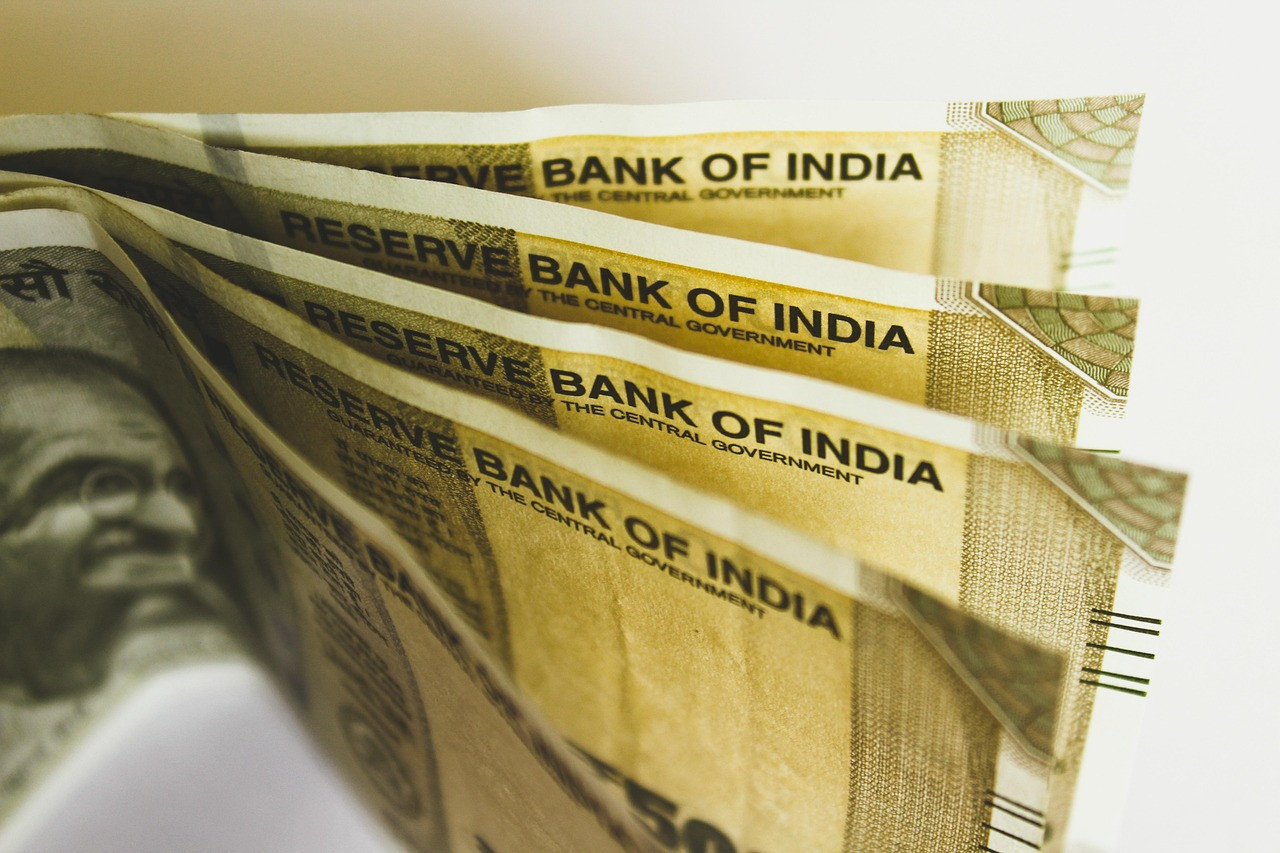
Representative image: rupixen / Pixabay
Kotak Mahindra Bank's standalone Q2 profit rose 29% to Rs 4,212 crore on October 24, 2026, while FCNR(B) deposits cut its margin to 4.31%.
What Happened
Kotak Mahindra Bank reported on Saturday, October 24, 2026, that its standalone net profit for the July to September quarter rose about 29% from a year earlier to Rs 4,212 crore, while consolidated profit, which includes its subsidiaries, rose 26% to Rs 5,645 crore. Loans grew 25% and bad loans fell, but the bank's net interest margin narrowed to 4.31% because it raised a large amount of foreign-currency deposits from non-resident Indians during the quarter.
Key Facts
- Standalone net profit for the September quarter of 2026-27 (Q2 FY27): Rs 4,212 crore, up from Rs 3,253 crore a year earlier.
- Consolidated net profit: Rs 5,645 crore, up 26% year on year.
- Net interest margin: 4.31%, down from 4.53% in the June quarter and 4.54% a year earlier.
- Net advances: Rs 5,77,295 crore, up 25%; excluding foreign-currency-backed loans and a portfolio bought from group company Kotak Mahindra Investments, growth was 19%.
- Total deposits: Rs 6,51,491 crore, up 23%, but up 13% excluding FCNR(B) deposits; the bank raised Rs 55,344 crore of FCNR(B) deposits in the quarter through its international branches.
- Gross non-performing assets: 1.04% of loans, down from 1.18% in June and 1.39% a year earlier; net NPA 0.24%, against 0.32% a year earlier.
- CASA ratio: 38.2%, down from 42.3% a year earlier; 41.8% excluding FCNR(B) deposits.
Why It Matters
Kotak Mahindra Bank is one of India's largest private sector lenders, and its results are read as a guide to how private banks are coping with slower deposit growth and pressure on lending margins. This quarter's numbers show a bank growing its loan book quickly while its asset quality keeps improving, which is why profit rose sharply even as its margin fell.
The main story of the quarter is the FCNR(B) money. FCNR(B) stands for Foreign Currency Non-Resident (Bank) deposits: fixed deposits that non-resident Indians keep with Indian banks in foreign currencies such as the US dollar, so the depositor carries no rupee exchange-rate risk. Kotak raised Rs 55,344 crore of these deposits in one quarter through its overseas branches. That money lifted total deposit growth to 23%, but stripped of it, deposits grew only 13%, a reminder that gathering ordinary domestic savings remains hard for banks.
The same inflow explains two weaker numbers. Because FCNR(B) deposits are term deposits rather than savings or current accounts, they pushed the CASA ratio down. CASA means current account and savings account deposits, the cheapest money a bank can lend, so a lower ratio generally raises a bank's cost of funds. The net interest margin, the gap between what a bank earns on loans and pays on deposits, slipped by more than 0.2 percentage points in a single quarter. The bank itself attributed the narrower margin to the FCNR(B) mobilisation.
On asset quality, the trend is clearly positive. Gross bad loans fell to 1.04% of advances and net bad loans to 0.24%, both lower than a year ago, which means the bank needs to set aside less money to cover losses. Lower stress, combined with a bigger loan book, did most of the work in lifting profit.
Kotak Mahindra Bank Q2 FY27 at a glance Measure | September 2026 quarter | A year earlier Standalone net profit | Rs 4,212 crore | Rs 3,253 crore Net interest margin | 4.31% | 4.54% Gross NPA | 1.04% | 1.39% CASA ratio | 38.2% | 42.3%
Impact
Short-term: Investors are likely to weigh the strong profit and cleaner loan book against the narrower margin and the dependence on foreign-currency deposits for growth. How quickly the margin recovers once the FCNR(B) effect fades will be watched in the next quarter.
Long-term: Strong loan growth with falling bad loans gives the bank room to expand further. But like its peers, it must find steady, low-cost domestic deposits to fund that growth without squeezing margins.
Who is affected: The bank's shareholders and borrowers; non-resident Indians who placed foreign-currency deposits with Indian banks; and the wider private banking sector, whose September-quarter results this season are being compared on the same questions of margins and deposits.
Key Takeaway
Kotak Mahindra Bank's September-quarter profit rose 29% on strong loan growth and fewer bad loans, but a surge in foreign-currency NRI deposits trimmed its margin to 4.31%.
Questions and Answers
What was Kotak Mahindra Bank's Q2 FY27 net profit?
Standalone net profit for the quarter ended September 30, 2026, was Rs 4,212 crore, up about 29% year on year. Consolidated net profit, including subsidiaries, was Rs 5,645 crore, up 26%.
Why did Kotak Mahindra Bank's net interest margin fall?
The margin fell to 4.31% from 4.53% in the June quarter. The bank attributed this to raising FCNR(B) deposits, foreign-currency deposits from non-resident Indians, which it mobilised in large amounts during the quarter.
How much did Kotak raise through FCNR(B) deposits?
The bank mobilised Rs 55,344 crore of FCNR(B) deposits during the September quarter through its international branches. Excluding them, its deposit growth was 13% instead of 23%.
Did Kotak Mahindra Bank's asset quality improve?
Yes. Gross non-performing assets fell to 1.04% of loans from 1.39% a year earlier, and net NPAs fell to 0.24% from 0.32%.
Disclaimer: Prepared by the Peepals newsroom from publicly available sources with AI assistance. Information is accurate to the best of our knowledge at the time of publication and may change. Images may be representative. Not professional advice. Report an error via our contact page.
By Siddharth Verma, Business CorrespondentCovers Business and more for Peepals Bharat. All stories by Siddharth Verma
Cyclone Arnab: Andhra, Odisha on red alert ahead of October 28 landfall
Delhi plans first-aid rooms, health workers in all 1,086 government schools
Siddharth Verma is a pen name of the Peepals Global Editorial Team, which researches, fact-checks and publishes every story. The portrait is an illustration.