
PMAY-G Odisha: Centre adds 1 lakh houses, quota now 5 lakh
 By Meera IyerGovernance & Policy Editor, Peepals Bharat
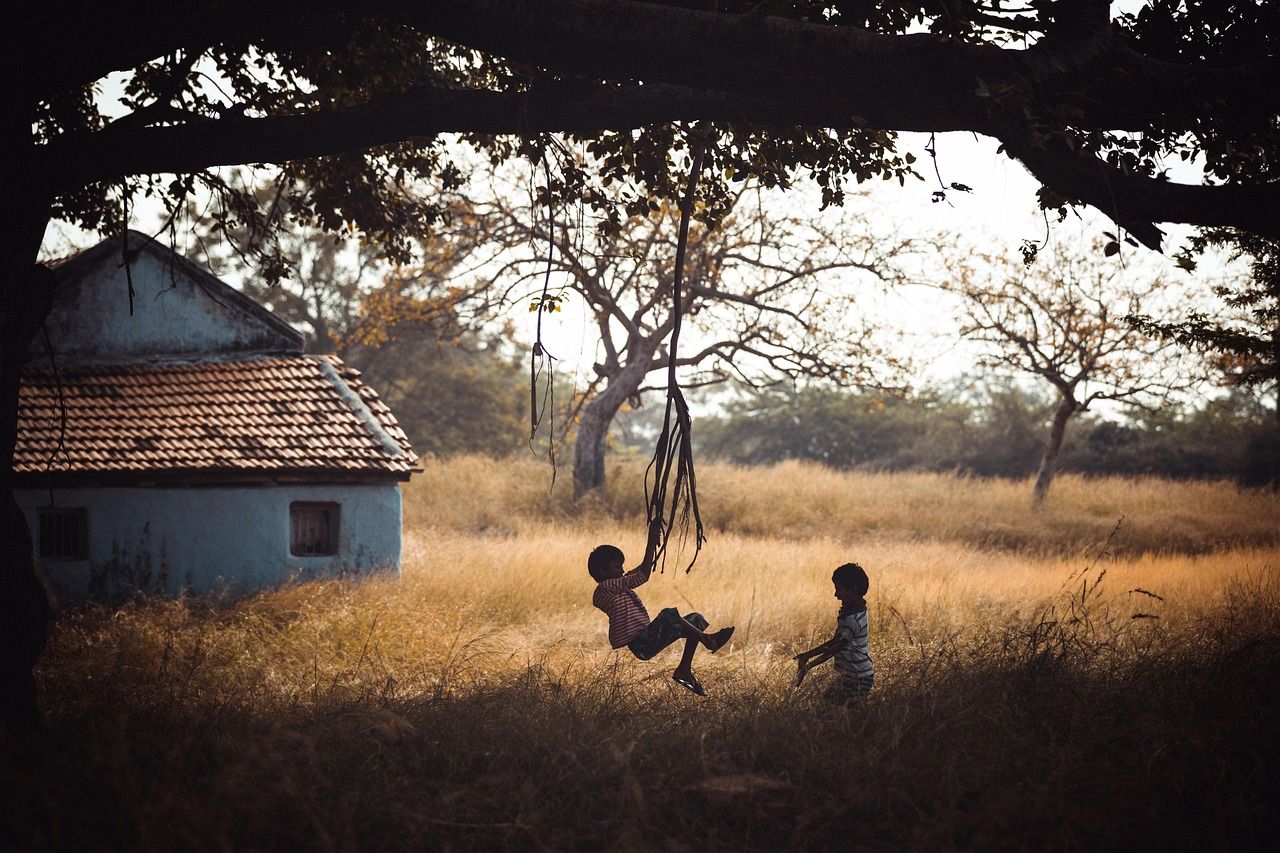
Representative image: Chikilino / Pixabay
Union Minister Shivraj Singh Chouhan approved one lakh more PMAY-G houses for Odisha in Balangir on 14 November 2026, taking the quota to 5 lakh.
What Happened
Odisha's quota of rural houses under the Pradhan Mantri Awas Yojana-Gramin (PMAY-G) has been raised to 5 lakh, after Union Rural Development Minister Shivraj Singh Chouhan approved one lakh more houses for the state on Saturday, 14 November 2026. The announcement came at a state-level event in Balangir, where Chief Minister Mohan Charan Majhi launched the distribution of PMAY-G houses across Odisha. According to the Odisha government's release, sanction letters for 5 lakh new houses were handed over at the event. The Chief Minister also inaugurated 248 development projects in Balangir worth about Rs 911 crore.
PMAY-G Odisha: key facts
- Date and place: Saturday, 14 November 2026, state-level PMAY-G event in Balangir, Odisha.
- Odisha had earlier been sanctioned 4 lakh houses in this round; the Union Minister approved 1 lakh more at the Chief Minister's request, taking the total to 5 lakh, according to several reports.
- The Odisha government's release describes sanction letters for 5 lakh new houses being handed over.
- Odisha's record under the scheme so far: 28.06 lakh houses sanctioned, of which 25.58 lakh have been completed.
- At the same event, the Chief Minister inaugurated 248 projects in Balangir worth about Rs 911 crore.
- Chouhan said all villages in Balangir district would be connected by pucca roads and that more houses would be sanctioned for Odisha in the coming years.
PMAY-G Odisha: why it matters
PMAY-G is the central government's main scheme for building pucca (permanent, brick-and-cement) houses for poor rural families who live in kutcha (temporary) homes or have no home. For a family, the change from a temporary home to a permanent one means a safer and longer-lasting place to live.
The extra one lakh houses matter because the state's earlier quota of 4 lakh was smaller than the demand it had identified. According to reports from the event, Chief Minister Majhi asked for the increase, and Chouhan approved it on the spot. One report says the additional houses follow a recent survey of eligible families. Some reports add that the Chief Minister also asked for another one lakh beyond this; the Centre's answer on that has not been reported.
The event also carried a political message. Chouhan criticised how beneficiaries were chosen under the previous Biju Janata Dal government, according to reports, while the Chief Minister said no poor family would be left without a home. Readers should note these as the speakers' own statements.
For Balangir district itself, the day brought more than houses: 248 projects worth about Rs 911 crore were inaugurated, and the Union Minister promised that every village in the district would be linked by pucca roads. No timeline for the road connections was given in the reports.
Peepals calculation: Of the 28.06 lakh PMAY-G houses sanctioned in Odisha, 25.58 lakh are complete, a completion rate of about 91% (25.58 divided by 28.06 = 0.912). That leaves about 2.48 lakh sanctioned houses still being built (28.06 minus 25.58). The new round of 5 lakh is about twice that backlog (5 divided by 2.48 = 2.0). The extra one lakh houses raise the state's quota for this round by 25% (1 lakh on top of 4 lakh). Our calculation from the reported figures.
| Measure | Figure |
|---|---|
| Earlier quota in this round | 4 lakh houses |
| Additional houses approved on 14 November | 1 lakh houses |
| Total quota in this round | 5 lakh houses |
| Houses sanctioned in Odisha so far | 28.06 lakh |
| Houses completed so far | 25.58 lakh |
Impact
Short-term: Families whose names are on the approved lists will receive sanction letters and can begin construction. District offices will need to verify beneficiaries and track progress.
Long-term: If the 5 lakh houses are completed, a large number of rural households in Odisha will move from temporary homes to permanent ones.
Who is affected: Poor rural families in Odisha waiting for a house under PMAY-G; panchayat and block officials who verify beneficiaries and monitor construction; and residents of Balangir district, where the Rs 911 crore projects and road connections were announced.
What to watch next: whether the Centre approves the further one lakh houses the Chief Minister is reported to have requested.
Key Takeaway
Odisha's PMAY-G quota for this round now stands at 5 lakh rural houses after the Centre approved one lakh more on 14 November 2026 in Balangir.
Questions and Answers
How many PMAY-G houses has Odisha received?
Odisha's quota in this round is 5 lakh houses: 4 lakh sanctioned earlier and 1 lakh more approved by Union Minister Shivraj Singh Chouhan on 14 November 2026.
Where was the PMAY-G announcement for Odisha made?
At a state-level event in Balangir on Saturday, 14 November 2026, where Chief Minister Mohan Charan Majhi launched the distribution of PMAY-G houses.
How many PMAY-G houses have been completed in Odisha so far?
Of 28.06 lakh houses sanctioned in Odisha under the scheme, 25.58 lakh have been completed, according to figures given at the event.
What is PMAY-G?
The Pradhan Mantri Awas Yojana-Gramin is the central government scheme that helps poor rural families without a proper home build permanent, pucca houses.
Disclaimer: Prepared by the Peepals newsroom from publicly available sources with AI assistance. Information is accurate to the best of our knowledge at the time of publication and may change. Images may be representative. Not professional advice. Report an error via our contact page.
By Meera Iyer, Governance & Policy EditorCovers Governance & Policy and more for Peepals Bharat. All stories by Meera Iyer
Bengaluru Tech Summit 2026: November 17-19 at BIEC, 1,000 start-ups expected
WEG Dharmapuri plant: Rs 2,000 crore, 3,000 jobs as Tamil Nadu beats Kuppam
Get the day's stories in your inbox
Peepals Weekly: the week decoded, free. One email a week, unsubscribe in one click.
Meera Iyer is a pen name of the Peepals Global Editorial Team, which researches, fact-checks and publishes every story. The portrait is an illustration.
Responsible for this story: the Peepals Global Editorial Team, led by editor Prashant Sonar. How we report