
Delhi mental well-being policy for students to launch on November 19
 By Meera IyerGovernance & Policy Editor, Peepals Bharat
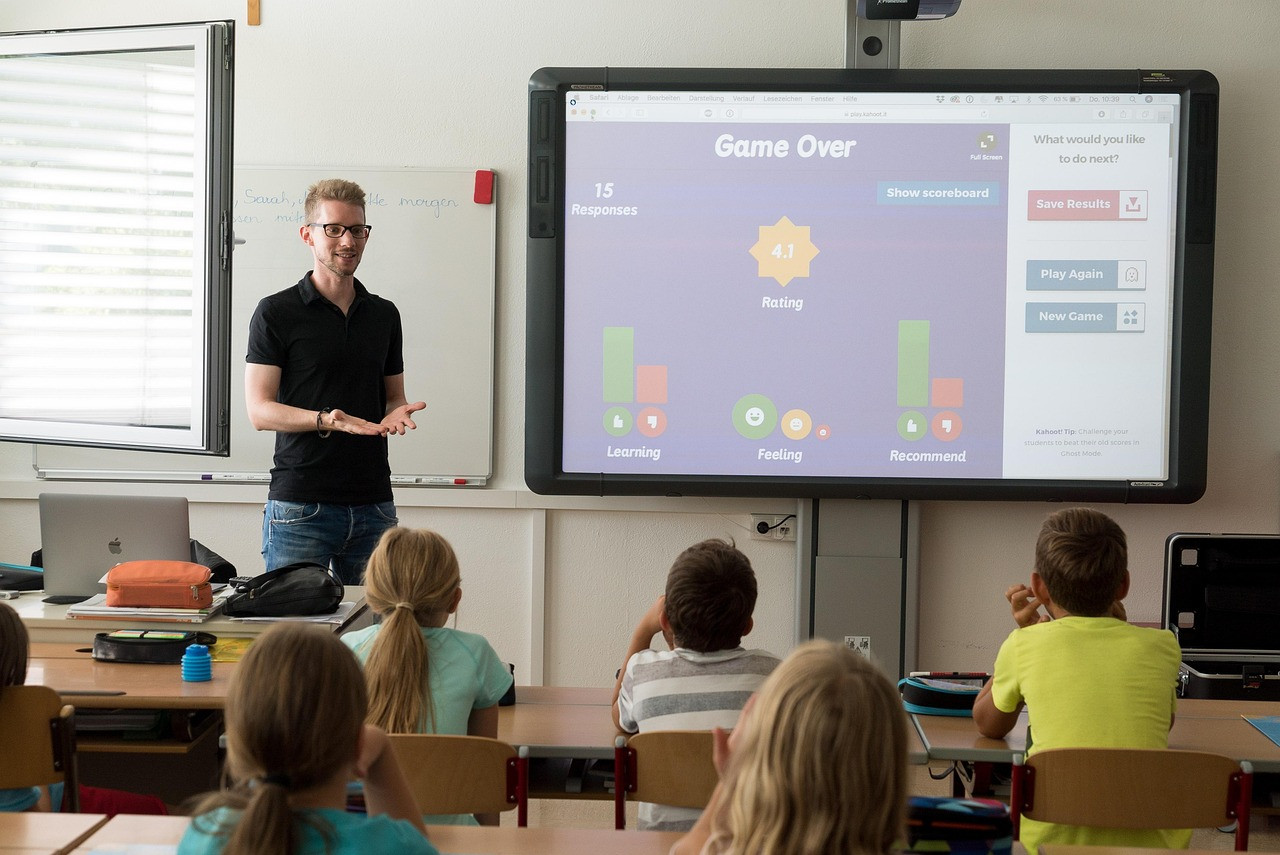
Representative image: steveriot1 / Pixabay
Delhi will launch a Mental Health and Well-being Policy for students and youth on 19 November 2026, covering schools, colleges and school staff.
What Happened
The Delhi government will launch a Mental Health and Well-being Policy for school children and young people on Thursday, 19 November 2026, Delhi Education Minister Ashish Sood said after reviewing the draft on Wednesday, 11 November 2026. According to the minister, the policy will be formally launched at the Indira Gandhi Indoor Stadium in New Delhi in the presence of spiritual leader Sri Sri Ravi Shankar. The government says the aim is to make the mental, emotional and psychological well-being of children a regular part of the education system rather than a matter taken up only when a child is already in distress.
Key Facts
- Launch date: Thursday, 19 November 2026, at the Indira Gandhi Indoor Stadium, New Delhi.
- The draft was reviewed by Education Minister Ashish Sood on Wednesday, 11 November 2026.
- Institutions to be covered: CM SHRI schools, government and government-aided schools, private educational institutions, higher education institutions, and children with special needs.
- The policy is also meant to reach young people outside the formal education system.
- Reports differ on the upper age limit: some put it at 25 years, the news agency report at 29 years.
- Provisions for psychometric assessments of teaching staff, non-teaching staff and transport personnel who deal with children regularly were reviewed.
- The government has prepared handbooks with structured questions, practical exercises and activities to build emotional awareness, according to reports of the review.
Why It Matters
Most mental-health support in Indian schools has so far rested on a counsellor's room or a teacher who notices a problem. The Delhi draft, as described after the review, tries to widen that circle. It treats a child's well-being as a responsibility of the whole school environment, not only of classroom teachers. That is why the review covered staff who are rarely part of such discussions, such as non-teaching employees and the drivers and attendants on school transport, who spend time with children every day.
The second change is in who is covered. The framework is described as reaching CM SHRI schools, aided schools, private institutions, colleges and universities, and children with special needs. It is also meant to reach young people who are not enrolled anywhere. That makes it a youth policy as much as a school policy, which is why the age limit matters. Reports of the same review give different ceilings, 25 years in some and 29 years in the agency report, so the final notified text will settle how far the policy reaches.
Third, the minister framed the policy around stigma and early support. According to him, children should be able to talk about their feelings without hesitation, and the misconceptions around mental health need to be cleared. He also said a conversation about a child's mental well-being should not begin only once the child faces a crisis. The handbooks, with questions and exercises, are meant to make emotional awareness a routine classroom activity.
For parents, the open questions are how the staff assessments would work and who would conduct them. The reports describe these as provisions that were reviewed, not yet final rules.
Peepals timeline: Wednesday, 11 November 2026: Education Minister Ashish Sood reviews the draft Mental Health and Well-being Policy and announces the launch date. Thursday, 19 November 2026: formal launch at the Indira Gandhi Indoor Stadium. That leaves eight days between the review and the launch, so the version unveiled on 19 November is the one to read for final details such as the age limit. Our count from the reported dates.
Impact
Short-term: Schools in Delhi, government and private, can expect the policy document and its handbooks after the 19 November launch. Heads of schools will want to know what the policy asks of them, including any role in staff assessments and in using the handbooks with students.
Long-term: If the framework is applied as described, mental well-being would become part of the routine of Delhi schools and colleges, with responsibility shared across teachers, support staff and transport workers. Because it is meant to reach young people outside education too, it could also shape how the city's departments deal with youth who have left school.
Who is affected: Students in Delhi's government, aided, CM SHRI and private schools; college and university students; children with special needs; young people not in education; teachers, non-teaching staff and school transport staff; and parents.
What to watch next: The formal launch on Thursday, 19 November 2026, at the Indira Gandhi Indoor Stadium, where the final text should confirm the age limit and how the staff assessments will work.
Key Takeaway
Delhi will launch a Mental Health and Well-being Policy on 19 November 2026 that extends responsibility for children's well-being to the whole school, from teachers to bus staff, and covers young people beyond the classroom.
Questions and Answers
When will Delhi launch its mental well-being policy for students?
Education Minister Ashish Sood said the policy will be formally launched on Thursday, 19 November 2026, at the Indira Gandhi Indoor Stadium in New Delhi, with Sri Sri Ravi Shankar present.
Which schools does the Delhi mental health policy cover?
As described after the 11 November review, it covers CM SHRI schools, government and government-aided schools, private educational institutions, higher education institutions and children with special needs, and also aims to reach young people outside formal education.
What is the age limit of the Delhi mental well-being policy?
Reports of the same review differ. Some say it covers young people up to 25 years and the news agency report says up to 29 years. The policy text released at the 19 November launch should settle it.
Will school staff be assessed under the policy?
During the review, provisions for psychometric assessments of teaching staff, non-teaching staff and transport personnel who regularly interact with children were examined. How and when they would apply has not been announced yet.
Disclaimer: Prepared by the Peepals newsroom from publicly available sources with AI assistance. Information is accurate to the best of our knowledge at the time of publication and may change. Images may be representative. Not professional advice. Report an error via our contact page.
By Meera Iyer, Governance & Policy EditorCovers Governance & Policy and more for Peepals Bharat. All stories by Meera Iyer
Startup Odisha, Tottori: Bhubaneswar start-up signs MoU with Japanese firm
Sankalp Sandhya: Bihar starts free evening classes for Classes 9-12 on November 17
Get the day's stories in your inbox
Peepals Weekly: the week decoded, free. One email a week, unsubscribe in one click.
Meera Iyer is a pen name of the Peepals Global Editorial Team, which researches, fact-checks and publishes every story. The portrait is an illustration.