
Sacred Games, Farzi VFX artists defend Ramayana, call Marvel comparisons unfair
 By Meera IyerGovernance & Policy Editor, Peepals Bharat
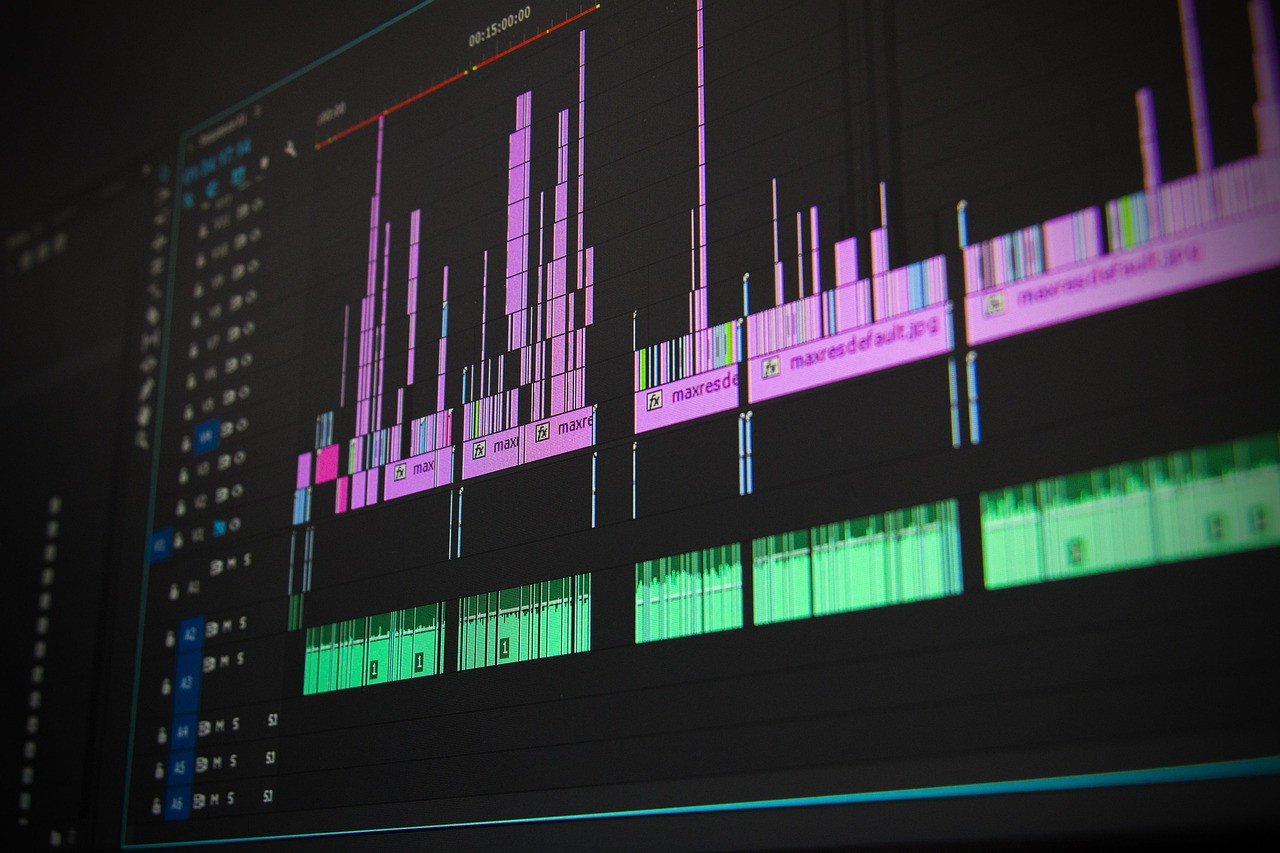
Representative image: Recklessstudios / Pixabay
VFX specialists Yashoda Parthasarthy and Vijesh Rajan, known for Sacred Games and Farzi, defended Ramayana's VFX days before its November 5, 2026 release.
What Happened
Two visual effects specialists known for Sacred Games and Farzi have defended the VFX of director Nitesh Tiwari's Ramayana against online criticism, saying the film deserves support despite any flaws. Writer-director Yashoda Parthasarthy and VFX supervisor Vijesh Rajan, who co-founded the motion design and VFX studio Plexus Motion, said in an interview with Hindustan Times, reported widely on October 31 and November 1, 2026, that backing home-grown films helps Indian cinema reach a global audience. They drew a line between helpful criticism and plain trolling, which they said can discourage filmmakers, and pushed back against comparisons with Marvel films. Part one of Ramayana releases worldwide on November 5, 2026.
Key Facts
- Who spoke: Yashoda Parthasarthy and Vijesh Rajan, whose credits include Sacred Games, Farzi and Gangs of Wasseypur, according to reports.
- Their argument: Ramayana should be supported regardless of its flaws; supporting home-grown films helps them gain global attention.
- On criticism: they distinguished helpful feedback from trolling, which they said can discourage filmmakers.
- On budget: Parthasarthy spoke of the difficulty of reaching Hollywood-level VFX on a much smaller budget and asked people to recognise the work of the roughly 10,000 people behind the scenes.
- Marvel comparisons: the pair called such comparisons unfair, according to reports.
- Release: Ramayana part one opens worldwide on November 5, 2026; part two is scheduled for Diwali 2027.
- Context: director Nitesh Tiwari has described Ramayana as India's most expensive film.
Why It Matters
Ramayana is one of the biggest bets Indian cinema has ever made, with Ranbir Kapoor in the lead, a two-part release plan and visual effects meant to stand alongside the largest global productions. That ambition has made its VFX the most talked-about part of the film, and also the most criticised. Some viewers online have compared its shots unfavourably with Hollywood superhero films. The film's makers have also had to answer questions about technology: at the world premiere at the Academy Museum in Los Angeles, Tiwari said AI had been used only for lip-sync work.
The defence by Parthasarthy and Rajan matters because it comes from inside the craft. As Parthasarthy noted, Indian films work with far smaller budgets than a Hollywood superhero production. Their point is that judging an Indian epic by the standards of the most expensive Hollywood films, without allowing for the money and time available, is unfair to the artists who did the work.
There is a wider debate here too. Audiences are entitled to criticise what they pay to see, and honest reviews push filmmakers to improve. The question the two specialists raise is about tone: whether organised mockery before a film is even released helps anyone. With advance bookings and early reviews already shaping the film's fortunes, how audiences receive the VFX could decide whether Indian studios keep backing effects-heavy epics.
| Item | Detail |
|---|---|
| Film | Ramayana (part one) |
| Director | Nitesh Tiwari |
| Release | November 5, 2026 (worldwide) |
| Part two | Diwali 2027 |
| VFX defenders | Yashoda Parthasarthy, Vijesh Rajan |
Impact
Short-term: The comments add to a lively online debate in the days before release. Early audience reactions to the VFX in theatres will matter more than any statement.
Long-term: If Ramayana succeeds, it could encourage more large-budget, effects-led Indian films and more investment in Indian VFX studios. If the VFX criticism hurts its run, producers may become more cautious about such projects.
Who is affected: The makers and cast of Ramayana, VFX artists and studios in India, cinema audiences, and producers weighing big-budget films.
Key Takeaway
VFX specialists behind Sacred Games and Farzi have urged audiences to back Ramayana's visual effects and drop Marvel comparisons, arguing that home-grown epics built on smaller budgets need support, days before the film's November 5 release.
Questions and Answers
Who defended Ramayana's VFX?
Yashoda Parthasarthy and Vijesh Rajan, known for their work on Sacred Games and Farzi, defended the film's VFX in an interview with Hindustan Times.
What did they say about the criticism?
They said the film should be supported despite any flaws, separated helpful feedback from trolling, and called comparisons with Marvel films unfair given the difference in budgets.
When does Ramayana release?
Part one releases worldwide on November 5, 2026. Part two is scheduled for Diwali 2027.
Why is Ramayana's VFX being criticised?
Some viewers have compared shots from its promotional material with big-budget Hollywood films and found them weaker. The film's defenders say the comparison ignores the much smaller budgets of Indian productions.
Disclaimer: Prepared by the Peepals newsroom from publicly available sources with AI assistance. Information is accurate to the best of our knowledge at the time of publication and may change. Images may be representative. Not professional advice. Report an error via our contact page.
By Meera Iyer, Governance & Policy EditorCovers Governance & Policy and more for Peepals Bharat. All stories by Meera Iyer
Moving backgrounds grab kids' eyes, not lessons: ISB study of educational videos
CBSE asks schools to mark Janjatiya Gaurav Divas with 15-day programme
Get the day's stories in your inbox
Peepals Weekly: the week decoded, free. One email a week, unsubscribe in one click.
Meera Iyer is a pen name of the Peepals Global Editorial Team, which researches, fact-checks and publishes every story. The portrait is an illustration.