
Moving backgrounds grab kids' eyes, not lessons: ISB study of educational videos
 By Aditi KulkarniEducation Writer, Peepals Bharat
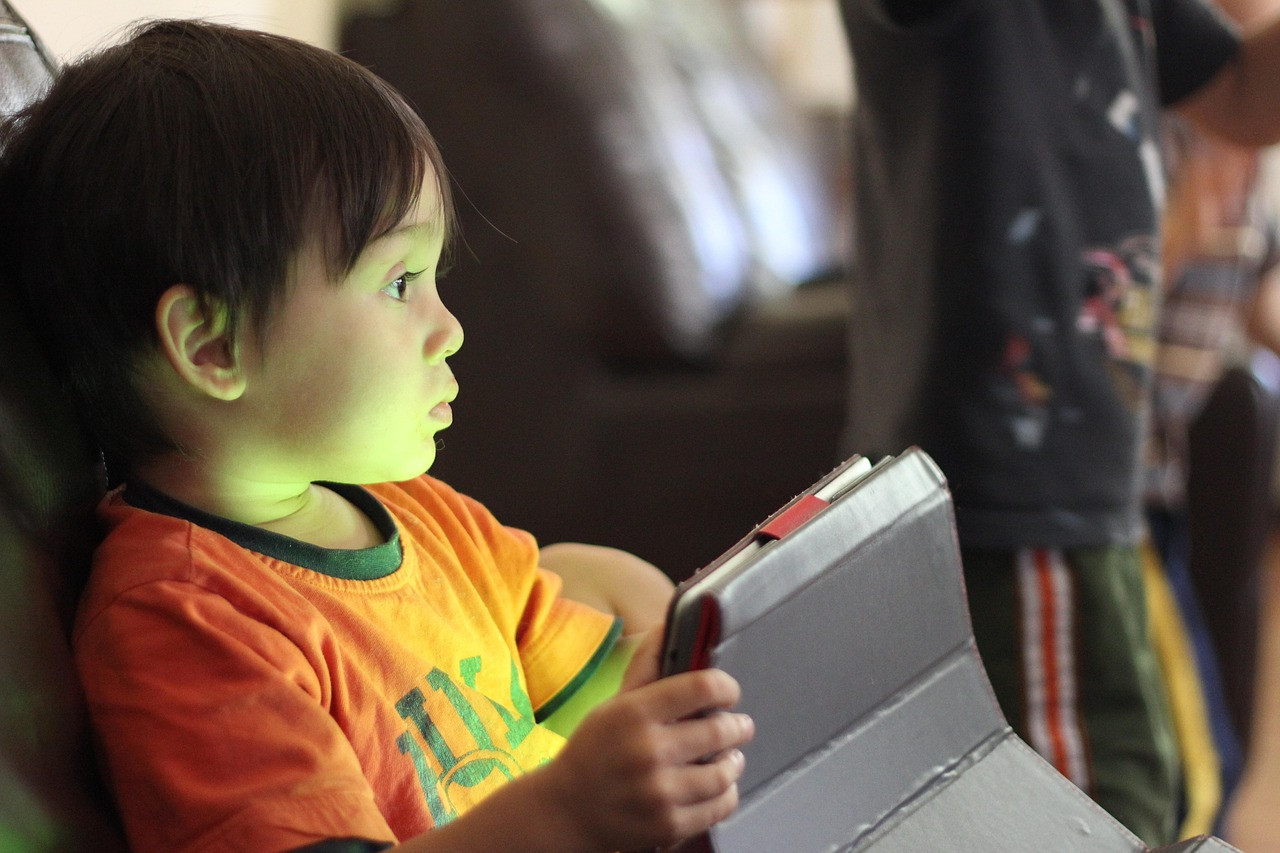
Representative image: twinquinn84 / Pixabay
An ISB and Santa Clara University study of 32,000 children's YouTube videos finds motion lifts views and gaze, but attention goes mostly to backgrounds, not lessons.
What Happened
Moving backgrounds in children's educational videos bring young viewers' eyes back to the screen, but much of that attention goes to the motion rather than the lesson, according to a study by researchers at the Indian School of Business (ISB) and Santa Clara University in the United States, reported on October 30 and 31, 2026. The team analysed more than 32,000 videos from 93 popular YouTube channels designated as made for children and found that a 10% increase in visual motion was linked to a 1.1% rise in views. In a separate eye-tracking experiment with 53 children aged six to 10, they found that the extra attention drawn by motion went mostly to the moving background, and that motion did not stop children from looking away. The authors advise parents to judge an educational video by whether its visuals help explain the subject, not by how exciting the screen looks.
Key Facts
- Researchers: the Indian School of Business (ISB) and Santa Clara University.
- Reported: October 30 and 31, 2026.
- Video data: more than 32,000 videos from 93 popular children's YouTube channels.
- Link to views: a 10% increase in visual motion was associated with a 1.1% increase in video views.
- Experiment: eye-tracking of 53 children aged six to 10.
- Finding: motion pulled children's gaze back to the screen, but much of it landed on the moving background, not the lesson content.
- Limits of motion: it did not hold attention continuously, and raising motion from medium to high levels did not bring matching gains in attention.
- Advice from the authors: judge videos by whether visuals help explain the topic.
Why It Matters
For many Indian families, YouTube is now part of a child's daily learning. Parents use videos to teach the alphabet, numbers, rhymes, science concepts and even languages, often believing that a bright, busy video that keeps a child watching must be doing its job. This study suggests that the two are not the same thing.
The findings separate two ideas that are easy to confuse: attention and learning. A child staring at a screen may be watching an animated background swirl, not following the explanation. Video makers have a clear reason to add motion, because more motion is linked with more views, and views bring revenue. But what keeps a child watching is not always what helps the child understand.
The study also found diminishing returns. Going from a little motion to a medium amount drew more looks, but going from medium to a lot did not add matching gains. And motion did not stop children from looking away. That challenges the assumption that ever-more-stimulating videos are the answer to short attention spans.
| Finding | What the study reported |
|---|---|
| Videos analysed | More than 32,000, from 93 children's YouTube channels |
| Motion and views | 10% more motion linked to 1.1% more views |
| Children tested | 53, aged six to 10, with eye tracking |
| Where attention went | Largely to moving backgrounds, not the lesson |
| More motion, more attention? | Not beyond medium levels |
What parents can do: watch a few minutes of a video with the child and ask whether the pictures on screen actually show the idea being taught, such as objects being counted or a process being demonstrated, or whether they are just decoration. Simple, clear visuals that match the narration are more likely to help. Talking to the child about what they watched, afterwards, is one easy way to check what they actually took in.
Impact
Short-term: The study gives parents and teachers a practical test for choosing educational videos and may prompt more scrutiny of popular children's channels.
Long-term: If such findings spread, creators of children's content could be pushed to design for learning rather than raw engagement, and platforms and education bodies may look more closely at how children's videos are made.
Who is affected: Parents and caregivers of young children, primary school teachers who use videos in class, children's content creators, and the platforms that host and recommend their videos.
Key Takeaway
An ISB and Santa Clara University study finds that motion in children's educational videos wins views and pulls eyes back to the screen, but mostly to the moving background, so parents should pick videos whose visuals actually explain the lesson.
Questions and Answers
What did the ISB study on children's videos find?
Researchers from ISB and Santa Clara University found that visual motion in children's educational videos is linked to more views and draws children's gaze back to the screen, but much of that attention goes to the moving background rather than the lesson.
How big was the study?
It analysed more than 32,000 videos from 93 popular children's YouTube channels and ran an eye-tracking experiment with 53 children aged six to 10.
Does more motion keep children watching longer?
Not reliably. Motion did not stop children from looking away, and increasing it from medium to high levels did not bring matching gains in attention.
How should parents choose educational videos?
The authors suggest judging a video by whether its visuals help explain the subject, not by how exciting the screen looks.
Disclaimer: Prepared by the Peepals newsroom from publicly available sources with AI assistance. Information is accurate to the best of our knowledge at the time of publication and may change. Images may be representative. Not professional advice. Report an error via our contact page.
By Aditi Kulkarni, Education WriterCovers Education and more for Peepals Bharat. All stories by Aditi Kulkarni
Ram Gopal Varma gets legal notice seeking Rs 29.67 crore over 2010 deal
Sacred Games, Farzi VFX artists defend Ramayana, call Marvel comparisons unfair
Get the day's stories in your inbox
Peepals Weekly: the week decoded, free. One email a week, unsubscribe in one click.
Aditi Kulkarni is a pen name of the Peepals Global Editorial Team, which researches, fact-checks and publishes every story. The portrait is an illustration.