
Solgram raises over $1 million pre-seed for cold-chain premium grocery in NCR
 By Meera IyerGovernance & Policy Editor, Peepals Bharat
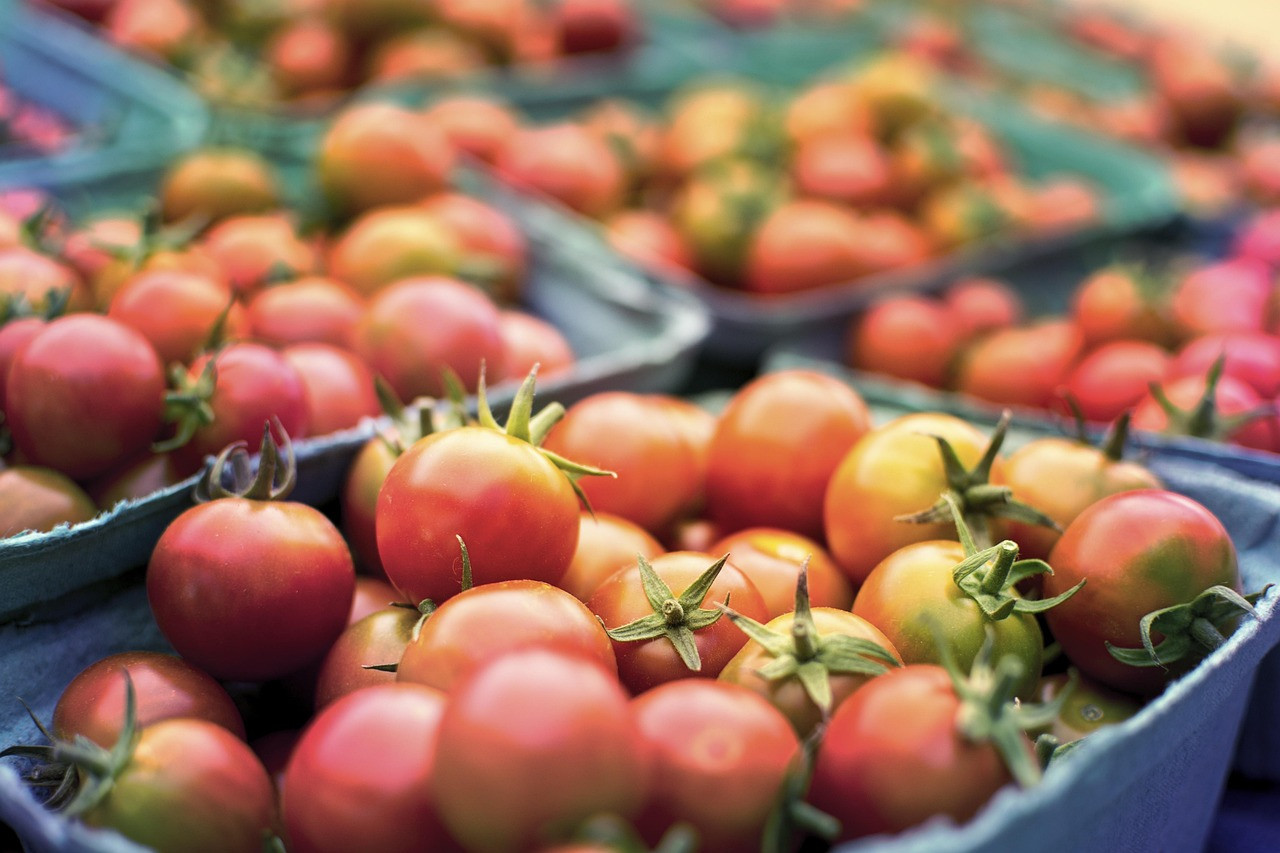
Representative image: Cheerfully_lost / Pixabay
Gurugram grocery start-up Solgram raised over $1 million in a pre-seed round led by DSG Consumer Partners and Saama Capital, announced on 3 November 2026.
What Happened
Solgram, a Gurugram-based start-up that delivers premium groceries, has raised more than $1 million in a pre-seed round led by DSG Consumer Partners and Saama Capital. The round was announced on Tuesday, 3 November 2026, less than three months after the company launched. Hospitality entrepreneur Kapil Chopra also invested. Solgram says it will use the money to strengthen its cold-chain delivery system, improve its technology, build sourcing partnerships and expand across the National Capital Region (NCR).
Key Facts
- Company: Solgram, based in Gurugram, Haryana.
- Business: delivery of premium groceries, including fresh produce, dairy, meat, seafood and other products that must be kept cold.
- Round: pre-seed, more than $1 million.
- Lead investors: DSG Consumer Partners and Saama Capital; Kapil Chopra also invested.
- Timing: the round came less than three months after the company's launch.
- Founder: Shashank Shekhar Sharma, who previously worked at the quick-commerce company Zepto.
- Planned use of funds: cold-chain infrastructure, technology, sourcing partnerships and expansion across NCR.
Why It Matters
A pre-seed round is the earliest stage of outside funding, often raised before a company has a long sales record. That Solgram has raised more than $1 million within three months of starting shows that investors are still prepared to back founders with experience in India's fast-delivery business, even at a very early stage.
Solgram's focus is on products that spoil quickly: fruit and vegetables, milk products, meat and seafood. Selling them online depends on a cold chain, the chain of refrigerated storage and transport that keeps food at a safe temperature from the farm or supplier to the customer's door. A break anywhere in that chain means waste, lost money and, for meat and fish, a risk to health. That is why the company has put cold-chain infrastructure first in its plans for the money. Building that chain is costly for a young company: it needs refrigerated storage points, insulated or chilled delivery vehicles or boxes, and systems that track temperature and stock so that products are sold before they spoil. Much of a small grocery start-up's early money therefore goes into equipment and operations rather than marketing.
The company is entering a crowded market. Quick-commerce apps already deliver groceries in minutes across Delhi, Gurugram and Noida, and large online grocers serve the same homes. Solgram's pitch is to sit at the premium end, with higher-quality fresh products for which customers may pay more, rather than to compete only on speed or price. Its founder's background at Zepto gives it experience in how fast delivery works in Indian cities.
For the wider start-up scene, the round is a reminder that consumer businesses can still raise early money in 2026 when they target a clear group of customers. The presence of a hospitality entrepreneur among the backers fits the company's premium positioning.
Peepals timeline: Solgram launched less than three months before its funding announcement. On Tuesday, 3 November 2026, it announced a pre-seed round of more than $1 million led by DSG Consumer Partners and Saama Capital, with Kapil Chopra joining. Its stated next steps are building cold-chain capacity and expanding across NCR.
Impact
Short-term: Households in Gurugram and other parts of NCR may see the service expand to more areas as the company spends on storage, delivery and sourcing.
Long-term: If Solgram can keep fresh products cold and reliable at scale, it may raise larger rounds to grow beyond NCR; if costs of cold storage and delivery outrun sales, it will face the same pressure that has squeezed many grocery start-ups.
Who is affected: Customers buying fresh food online in NCR; farmers, dairies and seafood suppliers who could become sourcing partners; delivery and warehouse workers; and competing grocery and quick-commerce companies.
Key Takeaway
Gurugram's Solgram has raised more than $1 million in pre-seed funding within three months of launch to build a cold-chain premium grocery service across NCR.
Questions and Answers
How much did Solgram raise and who invested?
Solgram raised more than $1 million in a pre-seed round led by DSG Consumer Partners and Saama Capital. Hospitality entrepreneur Kapil Chopra also invested. The round was announced on 3 November 2026.
What does Solgram sell?
Solgram is a Gurugram-based start-up that delivers premium groceries, especially fresh produce, dairy, meat, seafood and other products that must be kept cold.
What will Solgram do with the money?
It plans to strengthen its cold-chain infrastructure, upgrade its technology, build sourcing partnerships and expand across the National Capital Region.
What is a pre-seed funding round?
It is the earliest stage of outside investment in a start-up, usually raised before the company has a long sales record, to build the product and test the market.
Disclaimer: Prepared by the Peepals newsroom from publicly available sources with AI assistance. Information is accurate to the best of our knowledge at the time of publication and may change. Images may be representative. Not professional advice. Report an error via our contact page.
By Meera Iyer, Governance & Policy EditorCovers Governance & Policy and more for Peepals Bharat. All stories by Meera Iyer
Haryana Land Pooling Policy-2026: landowners get 50% of saleable area
UPS pension contributions: Centre's rules for probation, suspension and unpaid leave
Get the day's stories in your inbox
Peepals Weekly: the week decoded, free. One email a week, unsubscribe in one click.
Meera Iyer is a pen name of the Peepals Global Editorial Team, which researches, fact-checks and publishes every story. The portrait is an illustration.