
Gramaanubhava: Karnataka sends city students to spend a day on farms
 By Aditi KulkarniEducation Writer, Peepals Bharat
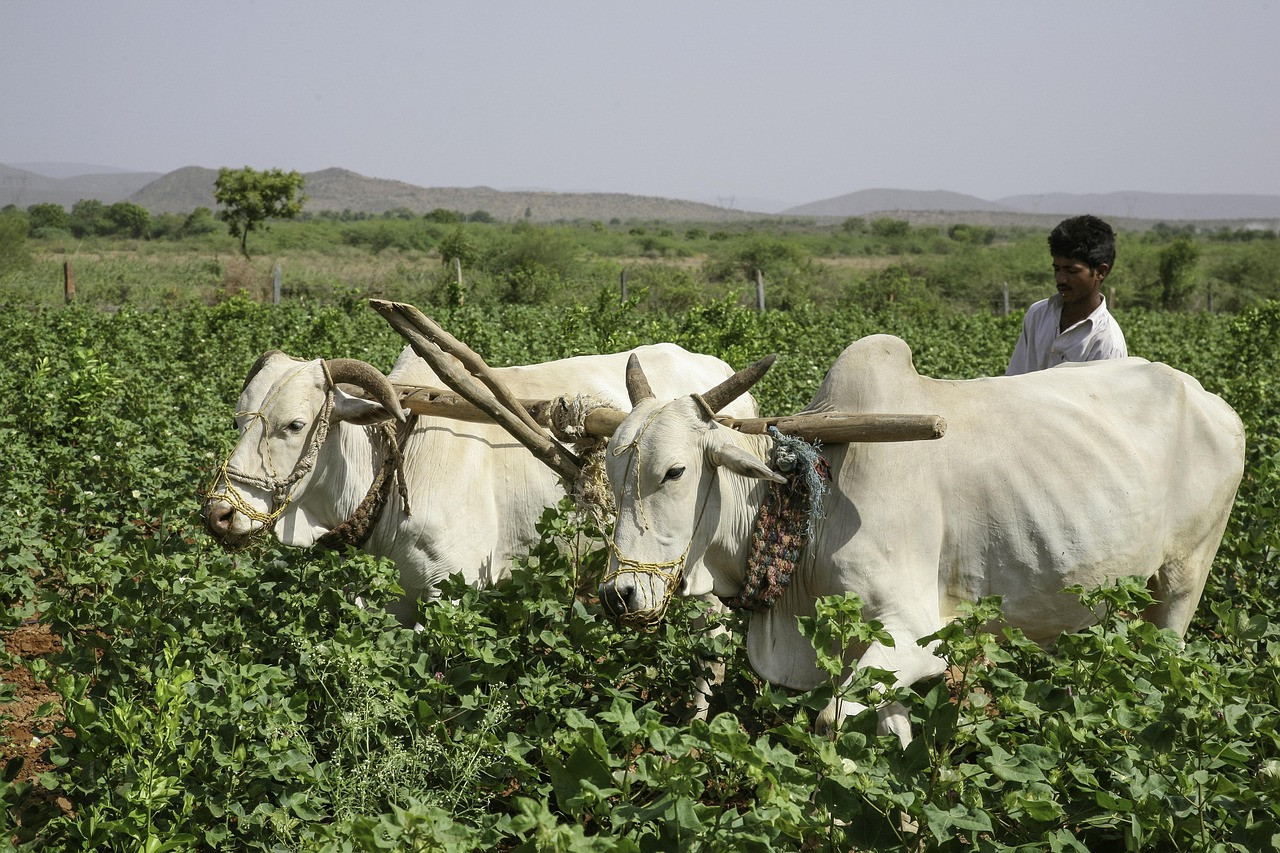
Representative image: MOHANN / Pixabay
Karnataka launched Gramaanubhava on 1 November 2026: urban Class 9 and 11 students spend a day with farmers, starting with 3,466 students from 16 Mysuru schools.
What Happened
The Karnataka government has launched Gramaanubhava, a programme that takes students from city schools to villages for a day so they can see farming, animal husbandry and rural life at first hand. It was launched on Sunday, 1 November 2026, Kannada Rajyotsava Day, the state's formation day. The first large rollout is in Mysuru district, where about 3,466 students of Classes 9 and 11 from 16 urban schools will spend six to eight hours with farmers in Hunsur and T. Narasipura taluks. The state is providing Rs 500 per student. Yathindra Siddaramaiah flagged off the programme in Mysuru during the Rajyotsava events, according to reports, and the government says it will be extended gradually to urban schools in all districts.
Key Facts
- Name: Gramaanubhava ("village experience").
- Launched: 1 November 2026, Kannada Rajyotsava Day.
- Who: students of urban schools; the Mysuru rollout covers Classes 9 and 11.
- Mysuru first phase: about 3,466 students from 16 schools.
- Where they go: villages in Hunsur and T. Narasipura taluks.
- Time in the village: six to eight hours with farming families.
- Funding: Rs 500 per student from the state government.
- In Dharwad, the district administration, zilla panchayat and school education department are running it for government, aided and unaided urban schools, according to a Kannada-language report.
Why It Matters
Many children who grow up in Bengaluru, Mysuru or Hubballi-Dharwad have never seen how rice is transplanted, how a cow is milked or how a farmer decides when to irrigate. Their idea of food begins at a supermarket shelf or a delivery app. Gramaanubhava tries to close that gap with a simple step: one full day in a village, spent with the people who grow the food.
The state's stated aim is to take learning beyond textbooks. Lessons on agriculture, the water cycle, soil and livestock appear in school syllabuses, but they are usually taught in a classroom. A visit lets students connect what they read with what they see, and ask farmers directly about costs, weather and prices. For students in Classes 9 and 11, who are close to choosing subjects and careers, it may also show that farming, food processing and rural enterprise are real options.
The programme also has a social side. Urban and rural Karnataka often feel like separate worlds. A day in a village gives city children a view of the work, the problems and the knowledge of farming families, and gives villagers a chance to share that knowledge with the next generation of city residents.
Running it through district administrations and zilla panchayats, as in Dharwad, means local officials choose villages and arrange visits, which should help it scale across districts.
Peepals calculation: At Rs 500 per student, the Mysuru first phase of about 3,466 students costs about Rs 17.3 lakh (3,466 × 500 = Rs 17,33,000). That is an average of about 217 students for each of the 16 schools (3,466 ÷ 16 ≈ 217). Our calculation from the reported figures.
| Item | Mysuru first phase |
|---|---|
| Students | about 3,466 (Classes 9 and 11) |
| Schools | 16 urban schools |
| Host taluks | Hunsur, T. Narasipura |
| Time in village | 6 to 8 hours |
| State support | Rs 500 per student |
Impact
Short-term: Thousands of Mysuru students will spend a working day on farms in the coming weeks, and other districts such as Dharwad are starting their own rounds.
Long-term: If the programme becomes a regular part of the school year across Karnataka, a generation of city students will have some first-hand understanding of agriculture, which may shape how they see food prices, farmers' issues and rural careers.
Who is affected: Students and teachers in urban government, aided and unaided schools; farming families in host villages; and district education and panchayat officials who organise the visits.
Key Takeaway
Karnataka's Gramaanubhava gives city school students one full day with farmers, starting with about 3,466 children in Mysuru, to take learning about food and village life out of the textbook.
Questions and Answers
What is Gramaanubhava in Karnataka?
Gramaanubhava is a Karnataka government programme, launched on 1 November 2026, under which students from urban schools spend a day in a village to learn about farming, animal husbandry and rural life.
Which students are part of Gramaanubhava?
In Mysuru, the first phase covers about 3,466 students of Classes 9 and 11 from 16 urban schools. The state says the programme will gradually reach urban schools in all districts.
How much does the state spend on each Gramaanubhava student?
The government provides Rs 500 per student, which for the Mysuru first phase works out to about Rs 17.3 lakh.
Where do Mysuru students go under Gramaanubhava?
They visit villages in Hunsur and T. Narasipura taluks and spend six to eight hours with farmers.
Disclaimer: Prepared by the Peepals newsroom from publicly available sources with AI assistance. Information is accurate to the best of our knowledge at the time of publication and may change. Images may be representative. Not professional advice. Report an error via our contact page.
By Aditi Kulkarni, Education WriterCovers Education and more for Peepals Bharat. All stories by Aditi Kulkarni
Get the day's stories in your inbox
Peepals Weekly: the week decoded, free. One email a week, unsubscribe in one click.
Aditi Kulkarni is a pen name of the Peepals Global Editorial Team, which researches, fact-checks and publishes every story. The portrait is an illustration.