
Haryana Land Pooling Policy-2026: landowners get 50% of saleable area
 By Meera IyerGovernance & Policy Editor, Peepals Bharat
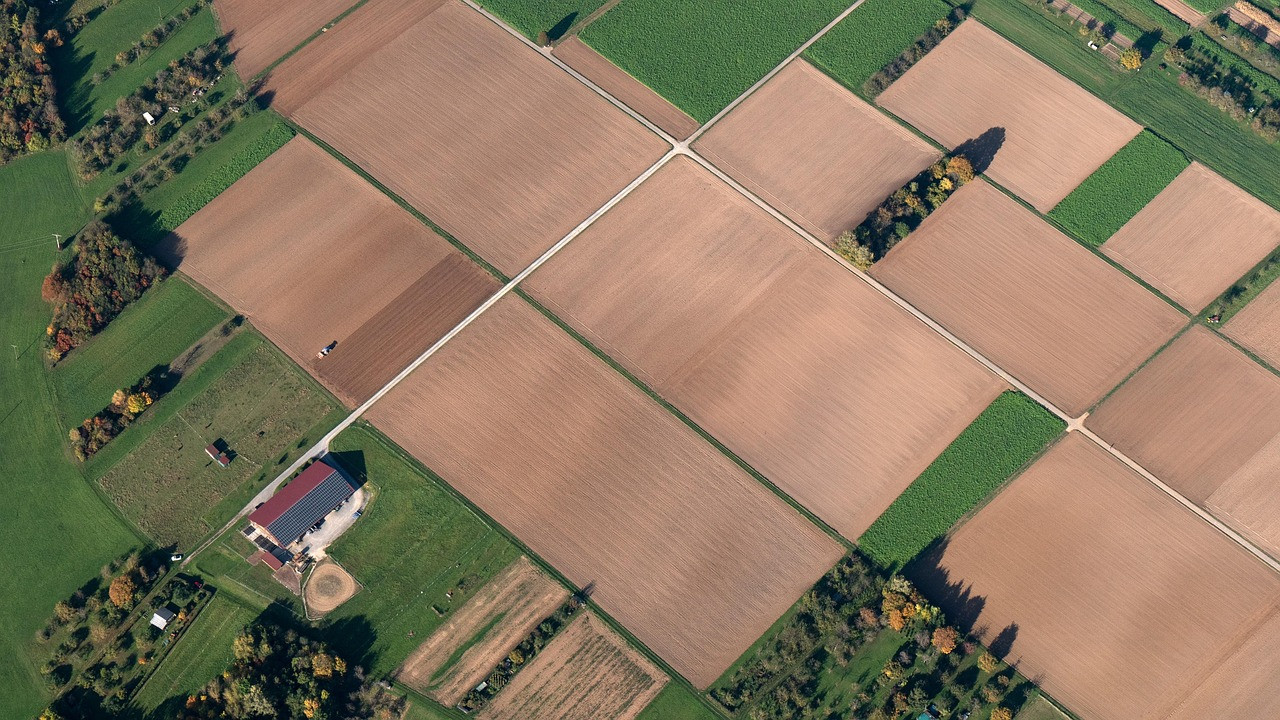
Representative image: hbieser / Pixabay
Haryana's cabinet approved the Land Pooling Policy-2026 on 3 November 2026, giving landowners 50% of a project's saleable area and cutting completion time to four years.
What Happened
The Haryana cabinet, chaired by Chief Minister Nayab Singh Saini, approved the Land Pooling Policy-2026 on Tuesday, 3 November 2026. Under the new policy, landowners who pool their land for a development project will receive 50% of the project's total saleable area as shown in the approved layout, and the development agency will keep the other 50%. The time allowed to finish a project has been cut from five years to four, and if the infrastructure is not completed in that period, the land goes back to the landowners. The cabinet also approved changes to the state's rules on Transferable Development Rights.
Key Facts
- Approved: by the Haryana cabinet on Tuesday, 3 November 2026.
- Landowners' share: 50% of the project's total saleable area under the approved layout; the development organisation keeps 50%.
- What it replaces: provisions of the Land Pooling Policy-2022 that linked the landowners' share to market value have been removed.
- Deadline: project completion period reduced from five years to four.
- Safeguard: if infrastructure is not completed within four years, the land reverts to the landowners.
- Small contributors: those pooling less than 999 square metres get money compensation instead of plots.
- Larger contributors: commercial kiosks or booths are allotted where contributions exceed 2,000 square metres.
- Aggregators: their fee is fixed at 0.5% of the collector rate for agricultural land in the revenue estate.
- Certificates: holders of Land Entitlement Certificates can combine them and apply jointly for larger developed plots.
Why It Matters
Land pooling is a way for a government to assemble land for townships, roads or industrial areas without buying it outright. Owners hand over their land, the agency develops it with roads, drains and other services, and the owners get back a share of developed plots, which are usually worth more than raw farmland. The method depends on trust: owners give up land today in return for a promise of developed plots later.
What was there before: under the 2022 policy, the share returned to landowners was linked to market value, which made it harder for owners to know in advance what they would get. What changes now: a fixed 50% share of saleable area is simpler to understand and compare. A shorter deadline, with the land returning to owners if the work is not done in time, addresses a common fear in such schemes, that land will be locked up for years with nothing built.
The detailed rules also matter for small farmers. Owners with less than 999 square metres will get money rather than a tiny plot, which avoids leaving them with pieces of land too small to use. Combining Land Entitlement Certificates lets several owners pool their entitlements and apply for a larger plot together. The fixed fee for aggregators, who help gather land from many owners, sets a clear cost for that service.
What comes next: the policy has to be notified and put into practice by the state's development agencies, and its success will depend on whether landowners come forward for specific projects.
Peepals calculation: cutting the completion period from five years to four shortens it by 20% (1 ÷ 5). The aggregator's fee of 0.5% equals Rs 50 for every Rs 10,000 of collector-rate value (10,000 × 0.005), and the kiosk threshold of 2,000 square metres is about twice the 999-square-metre cut-off for cash compensation (2,000 ÷ 999 ≈ 2.0). Our calculation from the reported figures.
| Feature | Land Pooling Policy-2022 | Land Pooling Policy-2026 |
|---|---|---|
| Landowners' share | Linked to market value | 50% of saleable area |
| Completion period | Five years | Four years |
| If not completed | Not stated in reports | Land reverts to owners |
Impact
Short-term: Landowners and developers in Haryana can assess projects under the new, simpler terms once the policy is notified.
Long-term: If owners trust the fixed share and the four-year safeguard, more land could be assembled for planned townships and infrastructure without compulsory acquisition.
Who is affected: Farmers and landowners near growing towns in Haryana; development agencies; land aggregators; and buyers of plots in future planned areas.
Key Takeaway
Haryana's Land Pooling Policy-2026, approved on 3 November 2026, gives landowners a fixed 50% of saleable area, cuts project time to four years and returns land to owners if work is not finished.
Questions and Answers
What do landowners get under Haryana's Land Pooling Policy-2026?
They get 50% of the project's total saleable area as per the approved layout, with the development organisation keeping the other 50%.
What happens if a land pooling project is not completed in time?
If the infrastructure is not completed within four years, the land reverts to the landowners.
What if I contribute only a small piece of land?
Owners contributing less than 999 square metres get monetary compensation instead of a plot.
How is the new policy different from the 2022 policy?
The 2022 provisions linking the landowners' share to market value have been removed and replaced with a fixed 50% share, and the completion period has been cut from five years to four.
Disclaimer: Prepared by the Peepals newsroom from publicly available sources with AI assistance. Information is accurate to the best of our knowledge at the time of publication and may change. Images may be representative. Not professional advice. Report an error via our contact page.
By Meera Iyer, Governance & Policy EditorCovers Governance & Policy and more for Peepals Bharat. All stories by Meera Iyer
Get the day's stories in your inbox
Peepals Weekly: the week decoded, free. One email a week, unsubscribe in one click.
Meera Iyer is a pen name of the Peepals Global Editorial Team, which researches, fact-checks and publishes every story. The portrait is an illustration.