
'Don't travel by air': Supreme Court refuses urgent airfare hike hearing
 By Meera IyerGovernance & Policy Editor, Peepals Bharat
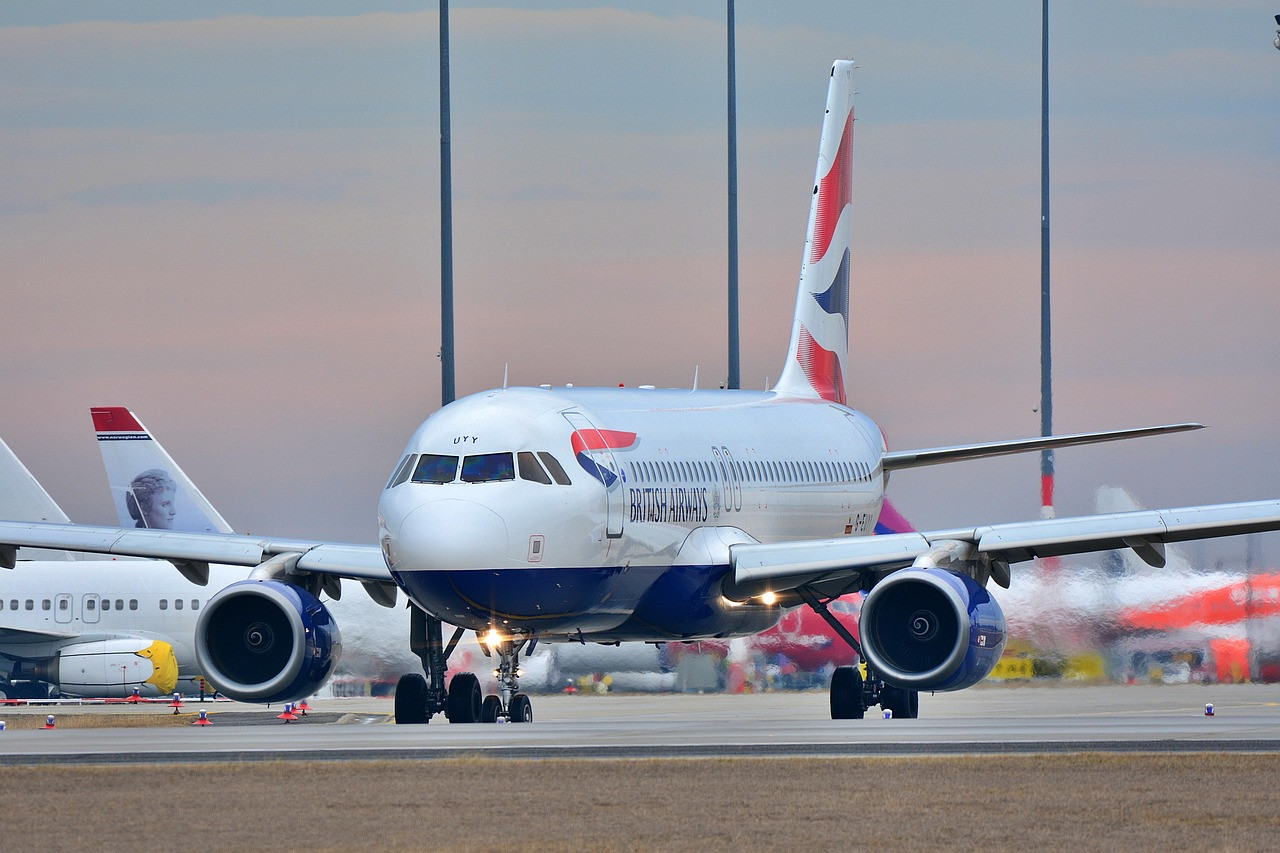
Representative image: Steve001 / Pixabay
A Supreme Court bench led by Justice Vikram Nath on 2 November 2026 refused to urgently hear a plea alleging festival airfares rose 700%, telling counsel: "Don't travel by air."
What Happened
The Supreme Court on Monday, 2 November 2026, refused to give an urgent hearing to a plea alleging that airlines had raised fares by as much as 700% during the festival season. When the matter was mentioned before a bench of Justice Vikram Nath, Justice Sandeep Mehta and Justice Aparesh Kumar Singh, the lawyer argued that air travel had become an essential service and that the steep rise violated the right to equality under Article 14 of the Constitution. Justice Nath replied, "Don't travel by air," and the bench moved on to the next case. The main public interest petition on airfares, in which the court has already sought replies from the Centre and the aviation regulator, is listed for hearing on 16 November 2026.
Key Facts
- Date: Monday, 2 November 2026; the plea was mentioned for urgent listing.
- Bench: Justice Vikram Nath, Justice Sandeep Mehta and Justice Aparesh Kumar Singh.
- The claim: counsel told the court that "the aviation fare has increased by 700 per cent".
- Example cited in reports: a Delhi-Kolkata ticket that usually costs about Rs 10,000 to Rs 11,000 was listed at Rs 78,694 for travel on 6 November, according to the petitioner's side.
- The court's response: Justice Nath said, "Don't travel by air," and declined urgent listing.
- Pending case: in January 2026 the court had called festival fare hikes "exploitation" and asked the Centre and the Directorate General of Civil Aviation (DGCA) to respond; the main petition is due on 16 November.
Why It Matters
Every festival season, passengers in India complain that air tickets on busy routes become unaffordable just when families most want to travel home. Airlines in India set their own fares. They use "dynamic pricing", in which software raises the price as seats fill up and as the date of travel approaches. On crowded routes at festival time, that can push the last seats to several times the normal price.
The petitioners want the court to treat this as a matter of fairness and equality. Their argument is that air travel is no longer a luxury: for many people, especially those working far from home, it is the only practical way to cover long distances in limited time. If fares rise many times over at the busiest times, they argue, ordinary travellers are left with no reasonable option.
The bench's refusal on Monday was about urgency, not the merits of the case. Courts receive many requests to hear matters out of turn, and they grant them only when a delay would cause harm that cannot be undone. The bench did not rule on whether fare hikes are lawful. That question remains before the court in the main petition. Justice Nath's short remark, however, drew wide attention online, and the judge's name became one of the most searched terms in India on the day.
The case touches on a long-running policy question for the government: whether and how to regulate airfares. Limits could protect passengers at peak times, while leaving prices free lets airlines manage demand; the court will have to weigh both. The DGCA's reply in the pending case will show where the regulator stands.
Peepals calculation: If a Delhi-Kolkata fare that normally costs Rs 10,000 to Rs 11,000 is listed at Rs 78,694, the listed price is about 7.2 to 7.9 times the usual fare (78,694 ÷ 11,000 ≈ 7.2; 78,694 ÷ 10,000 ≈ 7.9). That is a rise of roughly 620% to 690%, close to the 700% the petitioner's lawyer described. Our calculation from the reported figures.
| Item | Detail |
|---|---|
| Usual Delhi-Kolkata fare (petitioner) | Rs 10,000 to Rs 11,000 |
| Listed fare for 6 November (petitioner) | Rs 78,694 |
| Rise claimed in court | 700% |
| Main petition hearing | 16 November 2026 |
Impact
Short-term: Passengers travelling during the current festival period get no immediate relief from the court. Fares will remain as airlines set them.
Long-term: The hearing on 16 November, and the replies of the Centre and the DGCA, could shape whether India sets any limits or rules on peak-season airfares.
Who is affected: Air travellers on busy domestic routes, especially migrant workers and families travelling home for festivals; airlines; and the civil aviation ministry and DGCA.
What to watch next: The hearing of the main airfare petition in the Supreme Court on 16 November 2026.
Key Takeaway
The Supreme Court declined to hear the airfare plea urgently, with Justice Vikram Nath saying "Don't travel by air", but the larger question of festival fare hikes is due before it on 16 November.
Questions and Answers
What did Justice Vikram Nath say about airfares?
When a lawyer sought an urgent hearing on 2 November 2026 on a plea alleging a 700% festival fare rise, Justice Nath said, "Don't travel by air," and the bench declined urgent listing.
Did the Supreme Court rule that airfare hikes are legal?
No. It only refused to hear the matter urgently. The main petition on airfares, in which the Centre and DGCA have been asked to respond, is listed for 16 November 2026.
How much have airfares risen, according to the petition?
The petitioner's lawyer said fares had risen by 700%. One example cited was a Delhi-Kolkata ticket usually costing Rs 10,000 to Rs 11,000 being listed at Rs 78,694 for 6 November.
Are domestic airfares regulated in India?
Airlines set their own fares using dynamic pricing. Whether peak-season fares should be checked is the question raised in the pending public interest petition.
Disclaimer: Prepared by the Peepals newsroom from publicly available sources with AI assistance. Information is accurate to the best of our knowledge at the time of publication and may change. Images may be representative. Not professional advice. Report an error via our contact page.
By Meera Iyer, Governance & Policy EditorCovers Governance & Policy and more for Peepals Bharat. All stories by Meera Iyer
Get the day's stories in your inbox
Peepals Weekly: the week decoded, free. One email a week, unsubscribe in one click.
Meera Iyer is a pen name of the Peepals Global Editorial Team, which researches, fact-checks and publishes every story. The portrait is an illustration.