
Tata Steel plans 50 million tonnes in India, puts 75% of capex at home
 By Siddharth VermaBusiness Correspondent, Peepals Bharat
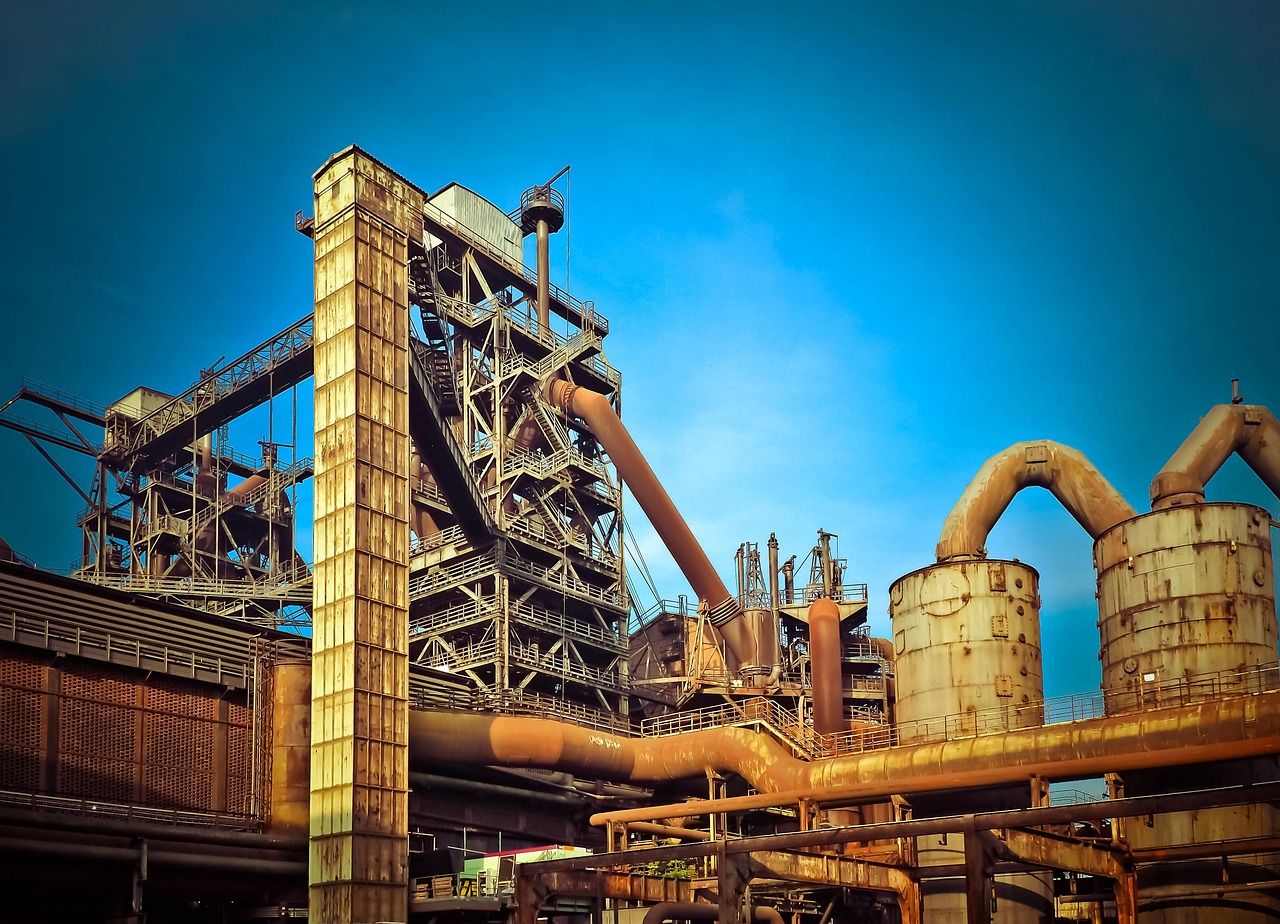
Representative image: 652234 / Pixabay
Tata Steel aims to lift India capacity from about 27 to 50 million tonnes in a decade and spend 75% of this year's Rs 18,000-20,000 crore capex in India.
Tata Steel 50 MT: what happened
Tata Steel aims to nearly double its steelmaking capacity in India to about 50 million tonnes a year over the next decade, from roughly 27 million tonnes now, and will put about 75% of this year's capital spending into India, chief executive T V Narendran said on Tuesday, 17 November 2026. The company expects to spend about Rs 18,000 crore to Rs 20,000 crore on capital projects this year. Narendran said the existing plants at Jamshedpur, Kalinganagar, Meramandali and Neelachal Ispat Nigam have room to expand, and that the company is also studying a new 15-million-tonne plant in Maharashtra.
Tata Steel 50 MT: key facts
- Capacity now: about 27 million tonnes a year in India.
- Target: about 50 million tonnes over the next decade, with 40 million tonnes as an interim step.
- Capital spending this year: about Rs 18,000-20,000 crore (about $2.2-2.4 billion), roughly 75% of it in India.
- Expansion sites: Jamshedpur (Jharkhand), Kalinganagar, Meramandali and Neelachal Ispat Nigam (Odisha).
- New plant under study: about 15 million tonnes in Maharashtra, possibly at Gadchiroli.
- India's weight: India now brings in about 70% of Tata Steel's revenue, against about 30% fifteen years ago, Narendran said.
- Caution: he said moving from 27 to 50 million tonnes will need substantial capital and careful sequencing.
Tata Steel 50 MT: why it matters
Narendran's numbers show how far the company's centre of gravity has shifted: India now produces most of the company's revenue, and three-quarters of its capital spending is going into Indian plants. That is a bet that Indian demand for steel, from roads, railways, housing and factories, will keep growing faster than demand in Europe.
The plan relies heavily on expanding plants the company already has, which is usually cheaper and quicker than building on fresh land because the ports, rail links, power and raw-material supplies are partly in place. A new site in Maharashtra would add a fresh location outside the company's existing eastern base. A study is not a decision, though, and a 15-million-tonne greenfield plant would be a very large project needing land, water, mining links and environmental approvals.
The pace is the main uncertainty. Narendran himself stressed that the jump needs substantial money and careful sequencing, and the company has to fund it while dealing with cheap imports and new carbon rules in Europe, where he has flagged differences between India and the EU over a carbon tax on imports. How fast Tata Steel adds each block of capacity will depend on steel prices and its own cash flow.
For workers and states, the plan matters directly. Expansions at Jamshedpur and in Odisha mean construction work and new jobs in those regions, and a Maharashtra plant at Gadchiroli would be a major industrial project for that district.
Peepals calculation: going from about 27 to about 50 million tonnes is an increase of about 23 million tonnes, or roughly 85% (23 ÷ 27 ≈ 0.85), which means adding about 2.3 million tonnes a year if spread evenly over ten years. And 75% of Rs 18,000-20,000 crore puts about Rs 13,500-15,000 crore of this year's spending into India. Our calculation from the reported figures.
| Measure | Figure |
|---|---|
| India capacity now | about 27 million tonnes |
| Target in about ten years | about 50 million tonnes |
| Interim step | 40 million tonnes |
| Capex this year | Rs 18,000-20,000 crore |
| Share of capex in India | about 75% |
| India share of revenue | about 70% (from about 30% fifteen years ago) |
Tata Steel 50 MT: impact
Short-term: Most of Tata Steel's capital spending this year will go into Indian plants, supporting orders for equipment makers and contractors around its existing sites.
Long-term: If the plan is carried out, Tata Steel's Indian capacity would roughly double, adding supply for infrastructure and manufacturing and creating jobs in Jharkhand, Odisha and possibly Maharashtra.
Who is affected: Tata Steel employees and suppliers, communities around Jamshedpur, Kalinganagar and Meramandali, steel buyers in construction and manufacturing, rival steelmakers, and the Maharashtra government if the Gadchiroli plant goes ahead.
Tata Steel 50 MT: key takeaway
Watch whether Tata Steel turns the Maharashtra study into a firm investment decision, since that single project would decide how quickly it moves towards 50 million tonnes.
Tata Steel 50 MT: questions and answers
What is Tata Steel's capacity target?
Tata Steel aims to raise its India capacity from about 27 million tonnes to about 50 million tonnes over the next decade, with 40 million tonnes as an interim step.
How much will Tata Steel spend this year?
About Rs 18,000 crore to Rs 20,000 crore on capital projects, with roughly 75% of it in India.
Where will Tata Steel expand?
At its existing plants in Jamshedpur, Kalinganagar, Meramandali and Neelachal Ispat Nigam, and it is studying a 15-million-tonne plant in Maharashtra, possibly at Gadchiroli.
How important is India to Tata Steel now?
Narendran said India now accounts for about 70% of the company's revenue, compared with about 30% fifteen years ago.
Disclaimer: Prepared by the Peepals newsroom from publicly available sources with AI assistance. Information is accurate to the best of our knowledge at the time of publication and may change. Images may be representative. Not professional advice. Report an error via our contact page.
By Siddharth Verma, Business CorrespondentCovers Business and more for Peepals Bharat. All stories by Siddharth Verma
Delhi brings transgender persons under Ayushman Bharat with Rs 10 lakh cover
Aakasamlo Oka Tara release November 20: U/A, 160 minutes, Mammootty clash
Your week ahead, every Sunday. Free.
Exam and result dates, IPOs opening, scheme deadlines, government holidays and the RBI decision for the next 7 days, plus the week's top stories. One email a week, unsubscribe in one click.
Siddharth Verma is a pen name of the Peepals Global Editorial Team, which researches, fact-checks and publishes every story. The portrait is an illustration.
Responsible for this story: the Peepals Global Editorial Team, led by editor Prashant Sonar. How we report