
VB-G RAM G: Bihar lifts farm-season work pause in all 38 districts
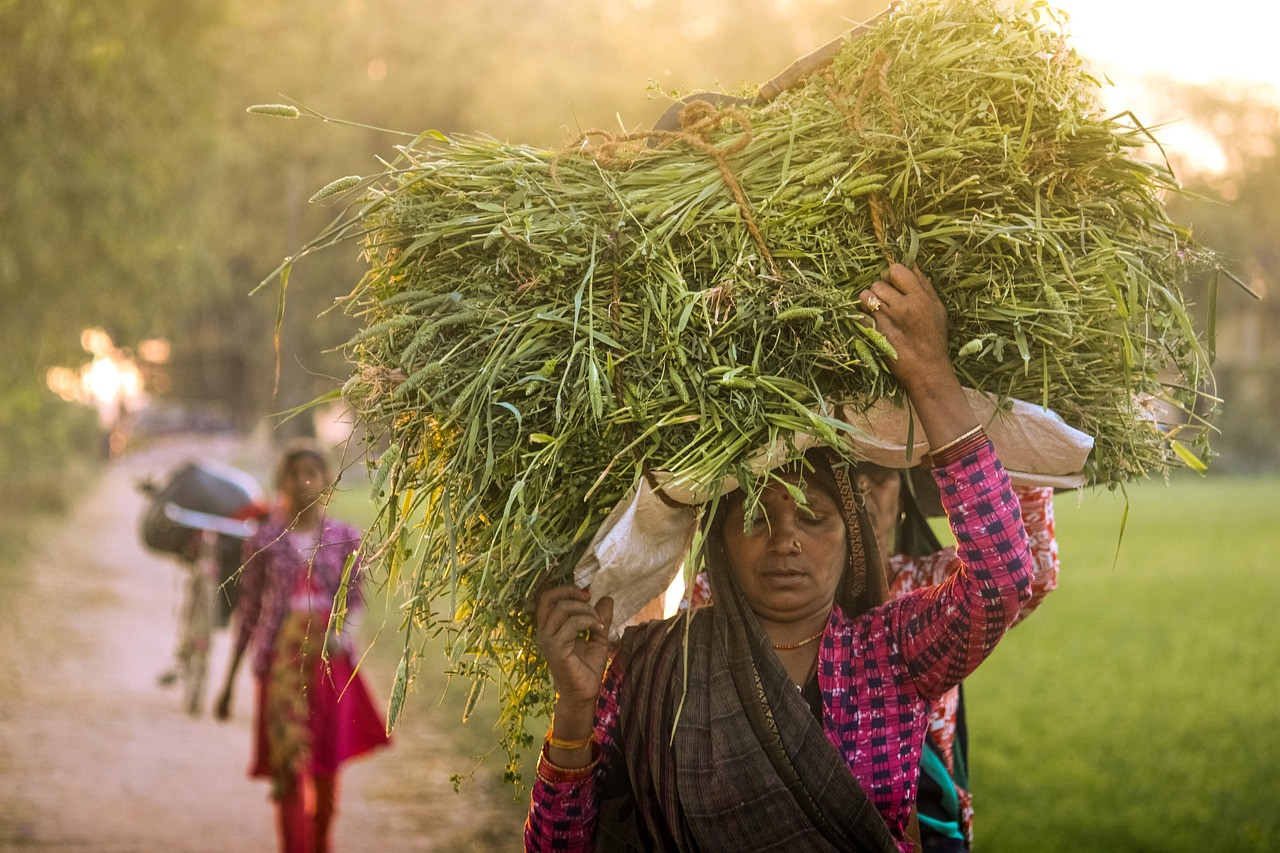
Representative image: Mnspictures / Pixabay
Bihar has lifted the October 22 to December 10 pause on VB-G RAM G rural jobs in all 38 districts, citing floods in 22 districts and drought-like conditions in 16.
What Happened
The Bihar government has lifted the pause on work under VB-G RAM G, India's new rural employment scheme, in all 38 districts of the state, according to reports on October 22, 2026. Work under the scheme was due to stop from October 22 to December 10 so that farm labour would be free for the harvest of kharif crops and the sowing of rabi crops. The state relaxed the restriction because floods in 22 districts and drought-like conditions in 16 others have disrupted farm work and cut the jobs available to rural households.
Key Facts
- Decision: the work pause under VB-G RAM G has been lifted in all 38 districts of Bihar.
- Original pause: October 22 to December 10, 2026, notified for the peak farm season of kharif harvest and rabi sowing.
- Reason given: floods and waterlogging in 22 districts and drought-like conditions in 16 districts have delayed harvesting and land preparation and reduced farm employment, according to the reports.
- Aim: to give wage employment to affected households and to repair rural infrastructure damaged by floods.
- Legal basis: the new rural jobs law lets states notify in advance up to 60 days a year, covering peak sowing and harvest seasons, during which no works are taken up; the period can be applied to particular districts, blocks or gram panchayats.
- Background: VB-G RAM G replaced the Mahatma Gandhi National Rural Employment Guarantee Act scheme, and workers registered under the old scheme have been shifted to the new one.
Why It Matters
For almost two decades, rural households across India could ask for paid manual work on village projects such as ponds, roads and canals at any time of the year under the earlier guarantee law. The new law, VB-G RAM G, changed one important rule. It allows states to pause public works for up to 60 days a year during the busiest farming weeks. The idea is that when crops need to be harvested and fields prepared, labour should go to farms, and farmers should not struggle to find workers because people are busy on government sites.
That rule makes sense only when farms actually need workers. This year, Bihar's farm calendar has been upset in two opposite ways. In the flood-hit districts, standing water has delayed the harvest and left fields unready for the next crop. Elsewhere, poor rain has dried out the soil. In both cases there is less farm work to go round. A pause on public works at such a time would leave many landless labourers and small farmers with no income at all for seven weeks, just as the festival season raises household expenses.
By lifting the pause across the whole state, the Bihar government has used the flexibility the law provides in the other direction: keeping public works open when farm jobs are scarce. Reports say the work will also be used to repair village roads, embankments and other infrastructure damaged in the floods, so the wages paid can help with recovery at the same time. The decision is one of the first visible tests of how states will use the seasonal pause, a provision that drew debate when the law was introduced.
| | Item | Detail | |
|---|---|
| | Scheme | VB-G RAM G, rural wage employment | |
| | Planned pause | October 22 to December 10, 2026 | |
| | Districts covered by the relaxation | all 38 in Bihar | |
| | Flood-affected districts | 22 | |
| | Drought-affected districts | 16 | |
Impact
Short-term: Rural workers in every district of Bihar can continue to seek work on village projects through the farm season instead of facing a seven-week gap. Gram panchayats and block offices will need to keep works open and sanctioned so that demand can be met.
Long-term: Bihar's move may encourage other states facing floods or dry spells to use the same flexibility. It also gives policymakers early evidence on whether the seasonal pause works as intended, or whether it needs to be applied more carefully district by district depending on the condition of crops.
Who is affected: Landless labourers and small farmers in Bihar who depend on wage work, panchayat and block officials who run the scheme, and farmers who hire labour for harvest.
Key Takeaway
Bihar has kept VB-G RAM G rural jobs open in all 38 districts through the October 22 to December 10 farm season because floods and dry conditions have left too little farm work for rural households.
Questions and Answers
What has Bihar changed under VB-G RAM G?
Bihar has lifted the pause on work under the VB-G RAM G rural jobs scheme in all 38 districts. The pause was due to run from October 22 to December 10, 2026, during the kharif harvest and rabi sowing season.
Why did Bihar lift the VB-G RAM G restriction?
According to reports, floods and waterlogging in 22 districts and drought-like conditions in 16 districts have disrupted farm work and reduced employment, so the state wants households to be able to earn wages on public works.
Can states stop work under VB-G RAM G?
Yes. The law lets states notify in advance up to 60 days a year, during peak sowing and harvest seasons, when no works are taken up. The pause can be applied to whole districts or smaller areas, and Bihar has now chosen not to apply it this season.
How can a worker in Bihar get work under the scheme now?
Registered workers can ask for work through their gram panchayat or block office as usual. Workers registered under the old MGNREGA scheme have been moved to VB-G RAM G, so their existing registration continues.
Disclaimer: Prepared by the Peepals newsroom from publicly available sources with AI assistance. Information is accurate to the best of our knowledge at the time of publication and may change. Images may be representative. Not professional advice. Report an error via our contact page.
Sourced and fact-checked by the Peepals Global Editorial Team
Uttarakhand moves weekly holiday in 206 recognised madrasas to Sunday
Karnataka hands routine regulatory inspections to private agencies to clear backlog
Reported, fact-checked and published by the Peepals Global Editorial Team.