
Alphabet stock drops nearly 13%, losing $500 billion on its worst day
 By Rohit SharmaMarkets Analyst, Peepals Business
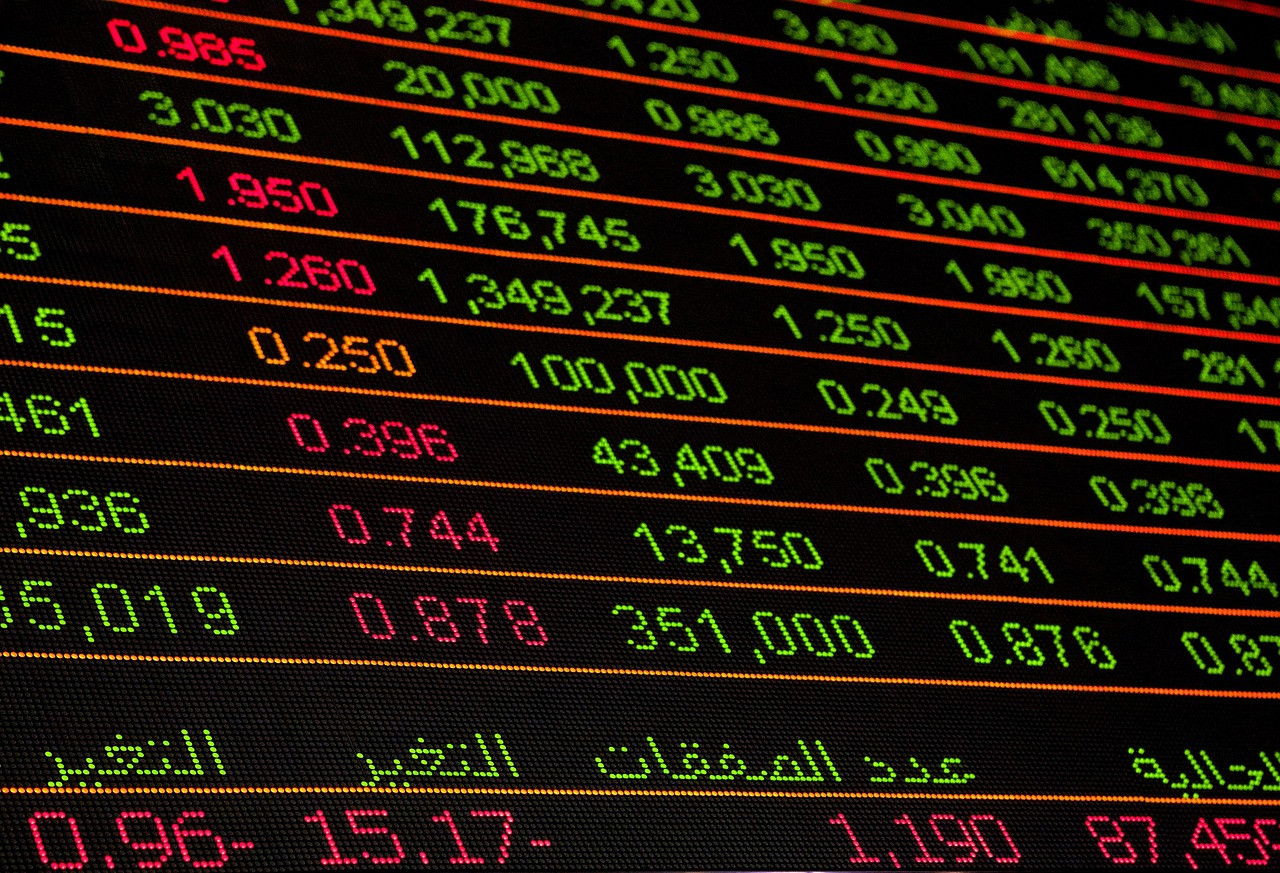
Representative image: AhmadArdity / Pixabay
Alphabet shares fell nearly 13% on October 29, 2026, its worst day ever, wiping out close to $500 billion as investors weighed AI spending and search growth.
What Happened
Alphabet, the parent company of Google, had the worst trading day in its history on Thursday, October 29, 2026. Its shares fell by nearly 13% in New York, wiping out close to $500 billion of market value in one session, a day after the company reported its results for the July to September quarter. Investors reacted to slower-than-expected growth in search advertising, a drop in free cash flow and the company's plan to keep raising spending on artificial intelligence (AI) infrastructure into 2027.
Key Facts
- Alphabet's Class A shares fell 12.6% to $283.82 on October 29, according to market reports; the previous worst one-day fall was 11.63%, in March 2020.
- Estimates of the value lost range from about $482 billion to about $500 billion, the second-largest one-day loss of market value for any US company.
- In its filing with the US Securities and Exchange Commission, Alphabet reported third-quarter revenue of $127.6 billion, up 25% from a year earlier.
- Google Cloud revenue rose 103% to $30.7 billion; net income was $26.2 billion, or $2.12 per share.
- Capital expenditure, mostly servers and data centres for AI, was $51.4 billion in the quarter.
- The company kept its 2026 capital spending range of $195 billion to $205 billion and said it expects a significant increase in 2027.
- Search advertising grew about 12% to roughly $63.35 billion, below what analysts had expected.
Why It Matters
The fall is striking because the headline numbers were large. Revenue grew by a quarter, operating income rose 30% and the cloud business more than doubled. The problem for investors was what the company is spending to get there. Capital expenditure means money spent on long-lasting assets such as buildings, chips and servers. When it rises faster than the cash a business brings in, free cash flow, the cash left after those investments, shrinks. Alphabet's free cash flow fell in the quarter, and the company signalled that 2027 spending will be higher again. Several analysts said the market is no longer willing to reward AI spending on trust alone and wants to see it turn into profit.
Search is the second worry. Google's search advertising business still produces most of Alphabet's profit, and its growth of about 12% fell short of forecasts. Investors are watching whether AI chat assistants, including Google's own, are drawing users and advertisers away from the traditional results page. A note from Bank of America, cited in market coverage, said the selling had left Google's core search business valued at about 10 times earnings, against 18.7 times for the S&P 500 index as a whole.
The day also showed how concentrated US markets have become. A handful of very large technology firms make up a big share of the main indexes, so a sharp move in one of them affects index funds and pension savings well beyond Alphabet's own shareholders. Alphabet remains one of the world's most valuable companies, worth more than $3 trillion even after the fall.
For Indian readers, the result matters in two ways. Google is one of the largest digital advertising platforms in India, and its spending plans shape demand for cloud and data-centre capacity in the country. Indian investors who now buy US shares directly through local brokers' overseas platforms also hold Alphabet in large numbers, so the fall touches their portfolios too.
| Alphabet Q3 2026 at a glance | Figure | Change from a year earlier |
|---|---|---|
| Total revenue | $127.6 billion | up 25% |
| Google Cloud revenue | $30.7 billion | up 103% |
| Net income | $26.2 billion | EPS $2.12 |
| Capital expenditure | $51.4 billion | 2026 range kept at $195-205 billion |
| Share price, October 29 | $283.82 (Class A) | down 12.6% on the day |
Impact
Short-term: The fall dragged on other technology shares that depend on the same AI spending story and fed a wider debate about whether the biggest US companies are spending too much, too fast. Traders will watch whether Alphabet's shares recover in the coming sessions or keep sliding.
Long-term: If AI spending keeps rising without a matching rise in profit, investors may push the largest technology companies to slow their data-centre plans, which would affect chip makers, power suppliers and cloud customers worldwide. If the cloud growth continues at this pace, the spending may yet be judged worthwhile.
Who is affected: Alphabet shareholders, including index-fund savers in the US and Indian investors who own US shares; Google's advertisers; companies that supply chips, power and data centres for AI; and technology firms whose shares move with Alphabet's.
Key Takeaway
Alphabet lost close to $500 billion in market value on October 29, 2026 because investors weighed slower search growth and rising AI spending more heavily than its record cloud growth.
Questions and Answers
Why did Alphabet stock drop $500 billion on October 29, 2026?
The shares fell nearly 13% after third-quarter results showed search advertising growth below analysts' forecasts, a drop in free cash flow and plans for a significant rise in AI capital spending in 2027. At Alphabet's size, that fall equalled roughly $480 billion to $500 billion of market value.
Was this Alphabet's worst day ever?
Yes. The fall of about 12.6% to 13% beat its previous record one-day decline of 11.63%, set in March 2020, and ranks as the second-largest single-day loss of market value for any US company.
Did Alphabet's business actually shrink?
No. Revenue rose 25% to $127.6 billion and Google Cloud revenue rose 103% to $30.7 billion. Investors were worried about the cost of growth, not about falling sales.
How much is Alphabet spending on AI infrastructure?
It spent $51.4 billion on capital projects in the third quarter, kept its 2026 range of $195 billion to $205 billion and said spending will rise significantly in 2027.
Disclaimer: Prepared by the Peepals newsroom from publicly available sources with AI assistance. Information is accurate to the best of our knowledge at the time of publication and may change. Images may be representative. Not professional advice. Report an error via our contact page.
By Rohit Sharma, Markets AnalystCovers Markets Watch and more for Peepals Business. All stories by Rohit Sharma
Rainmatter, Unicorn India back Venttup's $3 million round for defence manufacturing
Bank of Japan holds rate at 1.25%, keeps December hike in play
Get the day's stories in your inbox
Peepals Weekly: the week decoded, free. One email a week, unsubscribe in one click.
Rohit Sharma is a pen name of the Peepals Global Editorial Team, which researches, fact-checks and publishes every story. The portrait is an illustration.