
Bank of Japan holds rate at 1.25%, keeps December hike in play
 By Neha KapoorEconomy Correspondent, Peepals Business
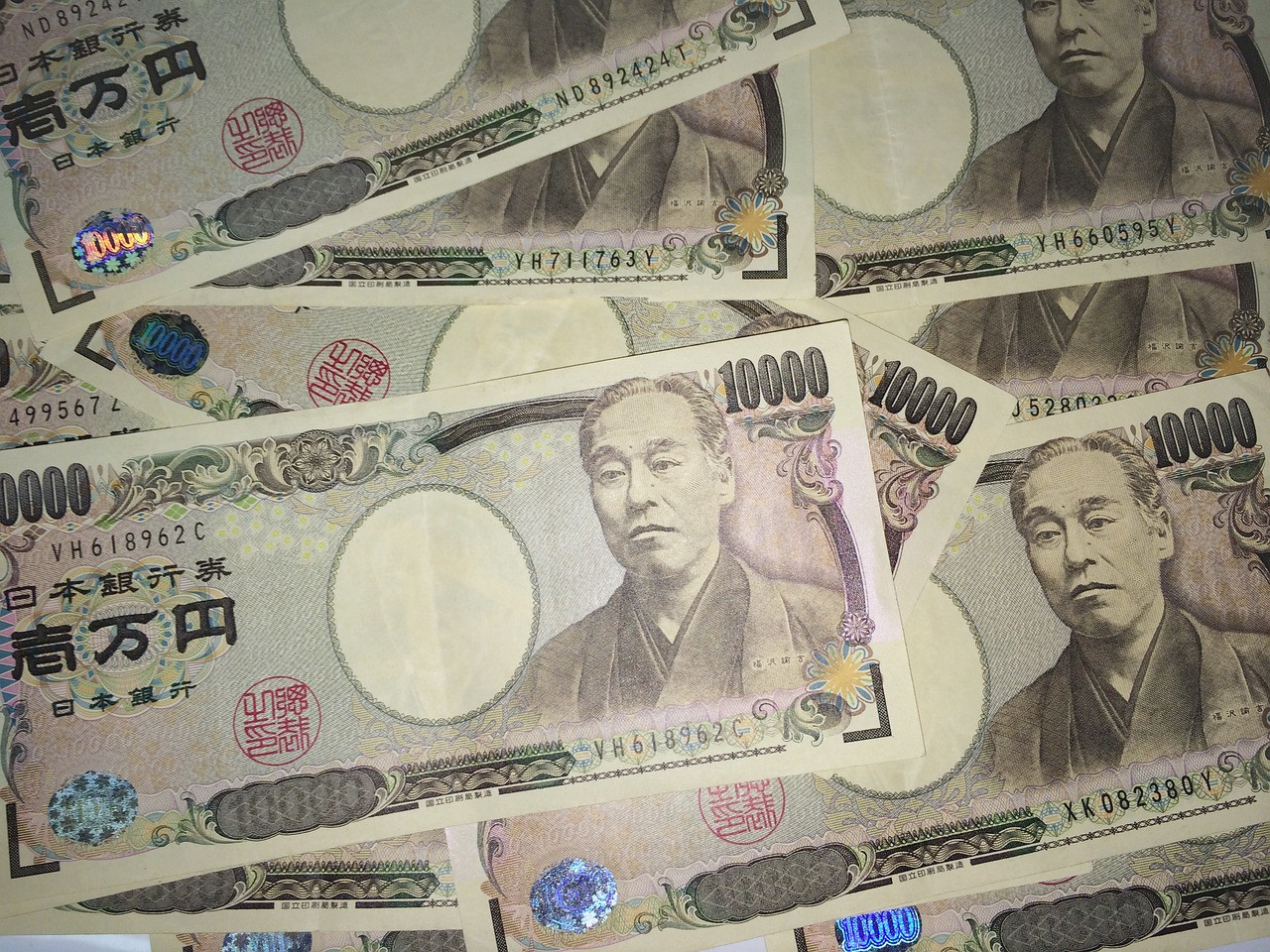
Representative image: Maccabee / Pixabay
The Bank of Japan held its policy rate at 1.25% on October 30, 2026 in an 8-1 vote, raised its inflation forecast and signalled more hikes.
What Happened
The Bank of Japan kept its short-term policy interest rate unchanged at 1.25% on Friday, October 30, 2026, at the end of a two-day meeting in Tokyo, as markets had expected. The decision was taken by an 8-1 vote, with board member Hajime Takata proposing an increase to 1.5%. The central bank raised its inflation forecast, said it stands ready to keep raising borrowing costs, and announced that it will step up sales of the exchange-traded funds (ETFs) it bought during years of stimulus.
Key Facts
- The policy rate stays at 1.25% after the meeting of October 29 and 30, 2026, the second meeting in a row without a change, according to reports.
- The vote was 8-1; Hajime Takata dissented and proposed raising the rate to 1.5%.
- The Bank of Japan raised its inflation forecast and, for the first time, described underlying inflation as having reached its 2% target, according to reports of its statement.
- It plans to increase annual sales of its ETF holdings to about 860 billion yen from about 330 billion yen, starting in January.
- The yen strengthened after the decision, reaching about 157.1 to the US dollar.
- Before the meeting, markets were pricing roughly an 80% chance of a rate rise in December, according to a note from Commerzbank.
Why It Matters
For most of the past 25 years, Japan had interest rates at or below zero as the central bank tried to lift prices out of a long period of deflation, when prices fall rather than rise. That era is ending. The Bank of Japan has been raising rates step by step, and its statement that underlying inflation has reached 2% is the clearest sign yet that it believes the economy no longer needs emergency support. Underlying inflation strips out volatile items such as fresh food and energy to show the steady trend in prices.
A hold with one vote for a hike, a higher inflation forecast and a promise to keep tightening is what economists call a "hawkish hold": no change now, but a strong hint of an increase soon. Markets read the meeting as keeping a December rise firmly on the table. Governor Kazuo Ueda has said the bank will adjust policy promptly to keep inflation near its target.
The ETF decision matters too. During its long stimulus, the Bank of Japan bought large amounts of shares through ETFs, funds that track a stock index, to support the market. Selling more of them each year is part of slowly unwinding that support. The bank has chosen a gradual pace, which limits the risk of unsettling Japanese share prices.
For the world, and for India, Japanese interest rates matter more than their size suggests. For years, investors borrowed cheaply in yen and invested the money in higher-yielding assets abroad, including emerging markets. When Japanese rates rise, that trade becomes less attractive and money can flow back to Japan, moving currencies and share markets elsewhere. A stronger yen also affects Indian companies that trade with Japan or borrow in yen.
| Bank of Japan, October 30, 2026 | Decision |
|---|---|
| Policy rate | Held at 1.25% |
| Vote | 8-1 (Hajime Takata sought 1.5%) |
| Inflation view | Forecast raised; underlying inflation at the 2% target |
| ETF sales | About 860 billion yen a year from January, up from about 330 billion yen |
| Yen after decision | Firmer, near 157.1 per dollar |
Impact
Short-term: The yen gained against the dollar after the decision, and traders will focus on the December meeting, where a rise to 1.5% is widely expected. Japanese bond yields and bank shares tend to move with these expectations.
Long-term: If the Bank of Japan keeps raising rates, Japan's long period of almost free money will be over, changing how Japanese households save, how companies borrow and how global investors use the yen.
Who is affected: Japanese borrowers and savers; companies that import or export with Japan; global investors who borrow in yen; and emerging markets, including India, whose currencies and share markets can move when money flows back to Japan.
Key Takeaway
The Bank of Japan held rates at 1.25% on October 30, 2026 but raised its inflation forecast and signalled readiness to raise rates again, keeping a December rise in play.
Questions and Answers
What did the Bank of Japan decide on October 30, 2026?
It kept its policy interest rate at 1.25% by an 8-1 vote, raised its inflation forecast and said it was ready to keep raising rates. Board member Hajime Takata voted for a rise to 1.5%.
Will the Bank of Japan raise rates in December 2026?
The bank did not commit to a date, but markets were pricing roughly an 80% chance of a December rise before the meeting, and the decision kept that expectation alive.
What is the Bank of Japan doing with its ETFs?
It will increase annual sales of the exchange-traded funds it bought during its stimulus years to about 860 billion yen, from about 330 billion yen, starting in January.
Why does a Japanese rate decision matter for India?
Higher Japanese rates can draw money back to Japan from other markets, which can move the rupee and Indian share prices. A stronger yen also changes costs for Indian firms that trade with Japan or borrow in yen.
Disclaimer: Prepared by the Peepals newsroom from publicly available sources with AI assistance. Information is accurate to the best of our knowledge at the time of publication and may change. Images may be representative. Not professional advice. Report an error via our contact page.
By Neha Kapoor, Economy CorrespondentCovers Economy and more for Peepals Business. All stories by Neha Kapoor
Alphabet stock drops nearly 13%, losing $500 billion on its worst day
Microsoft prices $25 billion bond sale, its first since 2017, for AI
Get the day's stories in your inbox
Peepals Weekly: the week decoded, free. One email a week, unsubscribe in one click.
Neha Kapoor is a pen name of the Peepals Global Editorial Team, which researches, fact-checks and publishes every story. The portrait is an illustration.