

UK living standards to fall for three years after Budget, forecasters say
 By Neha KapoorEconomy Correspondent, Peepals Business
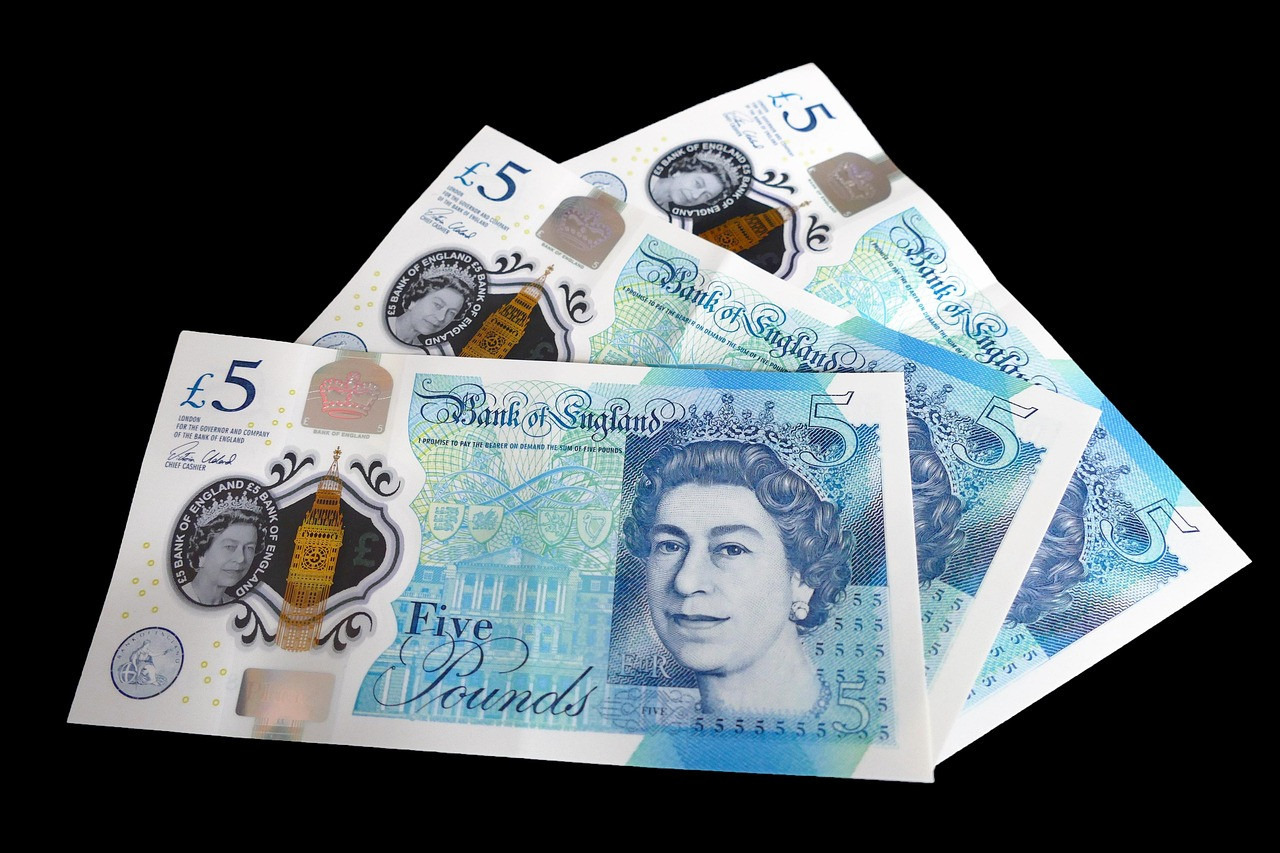
Representative image: InspiredImages / Pixabay
UK typical household incomes will fall 3% (£1,050) by 2028-29, the Resolution Foundation said on October 29, 2026; the OBR sees a 0.6% fall next year.
What Happened
Typical working-age households in the United Kingdom face a fall in their living standards over the next three years, according to analysis published on Thursday, October 29, 2026, a day after Chancellor John Healey presented the Autumn Budget. The Resolution Foundation, an independent think tank that studies the incomes of low and middle earners, projected that typical non-pensioner household incomes will fall by 3.0%, or about £1,050 a year, between 2026-27 and 2028-29. The Office for Budget Responsibility (OBR), the government's official forecaster, separately forecast that household disposable incomes will fall by 0.6% next year after allowing for inflation.
Key Facts
- The Resolution Foundation's Budget analysis, titled "Spread thin", was published on October 29, 2026.
- It projects typical non-pensioner incomes falling 3.0% (about £1,050) between 2026-27 and 2028-29, and says incomes will not recover from the hit of the past two years until mid-2029.
- The think tank expects household energy bills to average £2,210 across 2027, up £600, or 38%, on the 2026 average.
- The OBR forecast a 0.6% fall in real household disposable income next year and described its outlook as a "pretty grim picture", blaming higher borrowing costs and inflation linked to the US-Iran war.
- The Institute for Fiscal Studies said this decade is on course to be the worst for household income growth on record, according to reports.
- The Resolution Foundation ranked the Budget 19th by size among the 34 fiscal events since 2010 and said child poverty is still set to fall by 2.6 percentage points over this Parliament.
Why It Matters
"Living standards" is the economists' term for how much people can actually buy with their income after prices are taken into account. A household's pay might rise, but if prices rise faster, its living standards fall. Real disposable income, the measure the OBR uses, is the money left after taxes and benefits, adjusted for inflation. A fall of 0.6% in a year may sound small, but for the UK it would be unusual outside a recession, and the think tanks expect the squeeze to last several years.
The main cause is an energy price shock. Conflict in the Middle East has pushed up the price of oil and gas, and with it household electricity and heating bills, transport costs and food prices. Higher inflation has also kept interest rates and government borrowing costs up, which limits how much the Chancellor can spend to soften the blow without breaking his own borrowing rules. The Resolution Foundation's chief executive, Ruth Curtice, said the Parliament was looking like two halves: rising incomes and solid growth in the first, and tough going in the second.
The Chancellor defended the Budget, saying it gave households "breathing space" but that no government could remove cost-of-living pressures entirely. The Conservative opposition said the Budget left the public finances more fragile, while the Resolution Foundation argued that the energy support was badly targeted, giving too much to better-off households and too little to those who need it most.
For Indian readers, the forecasts matter beyond Britain. The UK is an important market for Indian exporters of goods and services, and weaker household spending there can reduce demand. The squeeze also affects the large Indian diaspora and the many Indian students living in the UK, who face the same higher bills.
| UK household outlook | Forecast | Source |
|---|---|---|
| Typical non-pensioner incomes, 2026-27 to 2028-29 | down 3.0% (about £1,050) | Resolution Foundation |
| Real household disposable income, next year | down 0.6% | Office for Budget Responsibility |
| Average energy bill, 2027 | £2,210, up £600 (38%) on 2026 | Resolution Foundation |
| Recovery of household incomes | not before mid-2029 | Resolution Foundation |
Impact
Short-term: Households go into winter with higher energy bills and slower growth in real income. Pressure on the Chancellor to add more targeted energy help is likely to continue in Parliament as the Budget measures are debated.
Long-term: If the forecasts are right, the second half of this decade could be the weakest for UK income growth in modern records, shaping the political debate ahead of the next general election and limiting room for tax cuts.
Who is affected: Working-age households across the UK, especially lower-income families who spend a larger share of their budget on energy and food; pensioners on fixed incomes; businesses that depend on consumer spending; and trading partners, including Indian exporters, that sell to British consumers.
Key Takeaway
After the October 28, 2026 Budget, the Resolution Foundation and the OBR both forecast falling UK living standards, with typical working-age incomes down about £1,050 by 2028-29.
Questions and Answers
What is the UK household living standards forecast after the 2026 Budget?
The Resolution Foundation projects typical non-pensioner household incomes falling 3.0%, about £1,050, between 2026-27 and 2028-29. The OBR forecasts real household disposable income falling 0.6% next year.
Why are UK living standards expected to fall?
The forecasters point mainly to an energy price shock linked to conflict in the Middle East, which has pushed up inflation, household bills and borrowing costs.
How much will UK energy bills be in 2027?
The Resolution Foundation expects bills to average £2,210 across 2027, about £600 or 38% higher than the 2026 average.
What did the Chancellor say?
John Healey said the Budget gave households "breathing space" but that the government could never fully remove cost-of-living pressures.
Disclaimer: Prepared by the Peepals newsroom from publicly available sources with AI assistance. Information is accurate to the best of our knowledge at the time of publication and may change. Images may be representative. Not professional advice. Report an error via our contact page.
By Neha Kapoor, Economy CorrespondentCovers Economy and more for Peepals Business. All stories by Neha Kapoor
Get the day's stories in your inbox
Peepals Weekly: the week decoded, free. One email a week, unsubscribe in one click.
Neha Kapoor is a pen name of the Peepals Global Editorial Team, which researches, fact-checks and publishes every story. The portrait is an illustration.