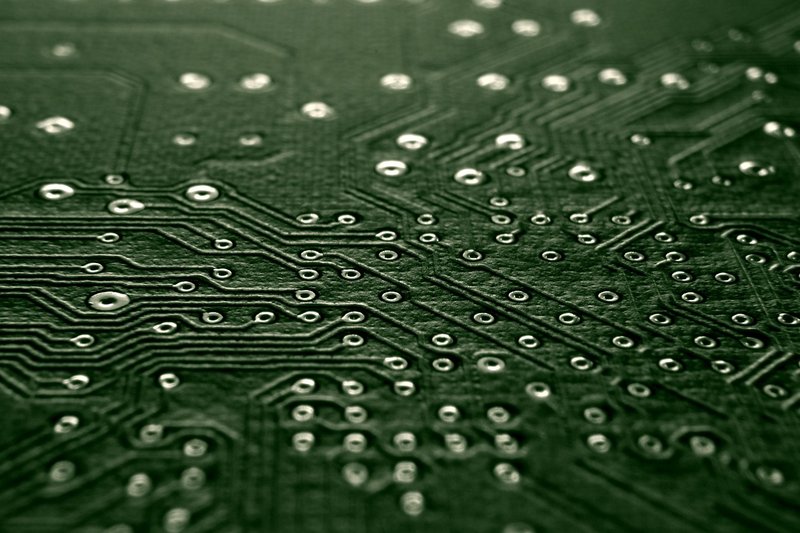

Avendus: $3 trillion AI cycle opens six manufacturing sectors for India
 By Arjun MehtaSenior Business Editor, Peepals Business
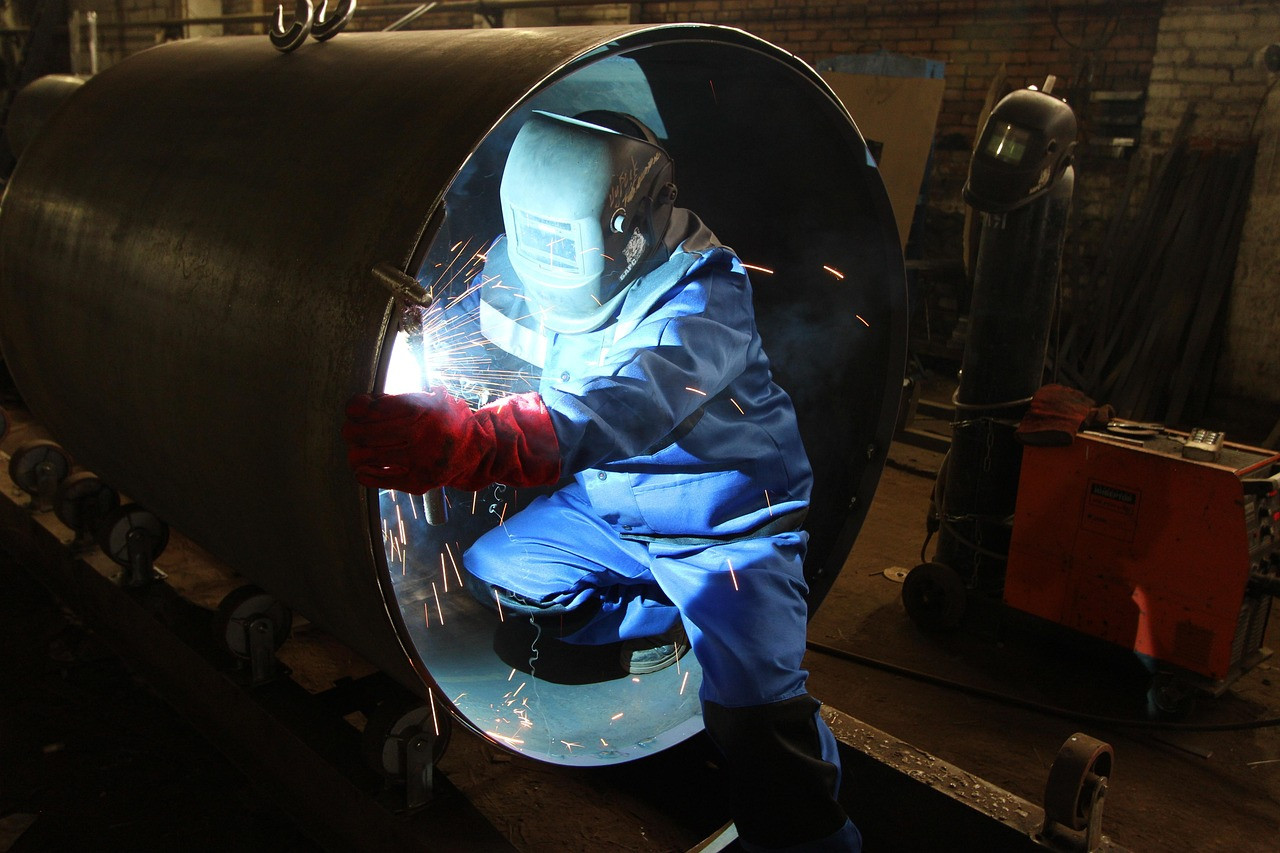
Representative image: xvostenko / Pixabay
An Avendus Capital report on October 29, 2026 says a $3 trillion global AI investment cycle opens six manufacturing sectors for India, with 2027-28 critical.
What Happened
Investment bank Avendus Capital has released a report naming six "new-age" manufacturing sectors in which Indian companies stand to gain from a global artificial intelligence investment cycle of about $3 trillion. The report, published on October 29, 2026, lists defence and aerospace, space technology, robotics and automation, semiconductors, energy transition, and advanced materials. Alongside spending on AI infrastructure, it cites rising demand for energy infrastructure and growing geopolitical security concerns as drivers. It describes 2027-28 as a critical window, when the first wave of Indian capacity is expected to move from policy support and project approvals into production.
Key Facts
- Report: Avendus Capital on India's new-age manufacturing opportunity, published October 29, 2026.
- Driver: a global AI investment cycle of about $3 trillion, plus energy demand and security concerns, as India reduces import dependence.
- Six sectors: defence and aerospace, space technology, robotics and automation, semiconductors, energy transition, advanced materials.
- Semiconductors: India's consumption projected to rise from $49.5 billion in 2025 to $106.5 billion by 2030, with openings in chip design, packaging, testing and specialised materials.
- Robotics: market expected to grow about fourfold to $4.6 billion by 2030.
- Defence: domestic production projected at about $31.6 billion by 2030.
- Space: economy expected to grow from about $13 billion in 2025 to $44 billion by 2033.
- Clean energy: recycling expected to scale first, then battery materials; rare-earth magnet manufacturing could advance with policy support.
Why It Matters
The global race to build AI is not only about software. It needs chips, power plants, batteries, robots, cooling equipment and the materials that go into them. Avendus argues that this physical demand opens doors for Indian manufacturers, especially in areas where India has been dependent on imports. For start-ups and young companies in these sectors, the report is a map of where investors and customers may look next.
The report's message is not that India will win everywhere. "India's new-age manufacturing opportunity is substantial, but its right-to-win manifests in select segments," said Koushik Bhattacharyya, Managing Director and Head of Industrials Investment Banking at Avendus Capital. In other words, the report expects Indian firms to succeed in specific segments, such as the chip design, packaging and testing openings it names, or recycling before battery materials in clean energy.
The projections show the scale of the opportunity. A doubling of semiconductor consumption by 2030, a fourfold rise in robotics and a space economy more than tripling by 2033 would create demand for suppliers, engineers and services. The 2027-28 window matters because projects approved under government incentive schemes need to start producing to prove that India can manufacture at scale.
For founders and investors, the practical takeaway is to focus on segments where Indian firms have a realistic advantage, such as cost, engineering talent or government support, and to plan for the period when policy support gives way to commercial competition.
| Sector | Projection in the report |
|---|---|
| Semiconductors | $49.5 billion (2025) to $106.5 billion (2030) consumption |
| Robotics | About fourfold growth to $4.6 billion by 2030 |
| Defence | About $31.6 billion domestic production by 2030 |
| Space | About $13 billion (2025) to $44 billion (2033) |
| Energy transition | Recycling first, then battery materials |
Impact
Short-term: The report may draw investor attention to start-ups in defence technology, robotics, chip design and battery recycling.
Long-term: If the projections hold, these sectors could create new manufacturing jobs and reduce import dependence. If production does not ramp up in the 2027-28 window, India may lose ground to other countries competing for the same opportunities.
Who is affected: Start-ups and manufacturers in the six sectors; venture capital and private equity investors; engineers and technicians; and policymakers running incentive schemes.
This report summarises a research publication and is not investment advice.
Key Takeaway
Avendus Capital's October 29, 2026 report says a $3 trillion global AI investment cycle opens manufacturing opportunities for India in six sectors, from semiconductors to space, with 2027-28 the critical window for turning approvals into production.
Questions and Answers
Which six sectors does the Avendus report highlight?
Defence and aerospace, space technology, robotics and automation, semiconductors, energy transition, and advanced materials.
How large is the AI investment cycle cited by Avendus?
The report refers to a global AI investment cycle of about $3 trillion, which it says will create manufacturing opportunities as India reduces dependence on imports.
What does Avendus project for India's semiconductor market?
It projects India's semiconductor consumption to rise from $49.5 billion in 2025 to $106.5 billion by 2030, with opportunities in chip design, packaging, testing and specialised materials.
Why is 2027-28 important, according to the report?
Avendus calls it a critical window for commercialisation, as the first wave of Indian manufacturing capacity moves from policy support and approvals into actual production.
Disclaimer: Prepared by the Peepals newsroom from publicly available sources with AI assistance. Information is accurate to the best of our knowledge at the time of publication and may change. Images may be representative. Not professional advice. Report an error via our contact page.
By Arjun Mehta, Senior Business EditorCovers Start-ups & Opportunities and more for Peepals Business. All stories by Arjun Mehta
Cotton import duty waiver extended to December 31 for textile makers
Citi Institute: nearly 60% of firms still stuck in AI pilots
Get the day's stories in your inbox
Peepals Weekly: the week decoded, free. One email a week, unsubscribe in one click.
Arjun Mehta is a pen name of the Peepals Global Editorial Team, which researches, fact-checks and publishes every story. The portrait is an illustration.