
China, Switzerland upgrade trade pact: 99.8% of Swiss exports to go tariff-free
 By Neha KapoorEconomy Correspondent, Peepals Business
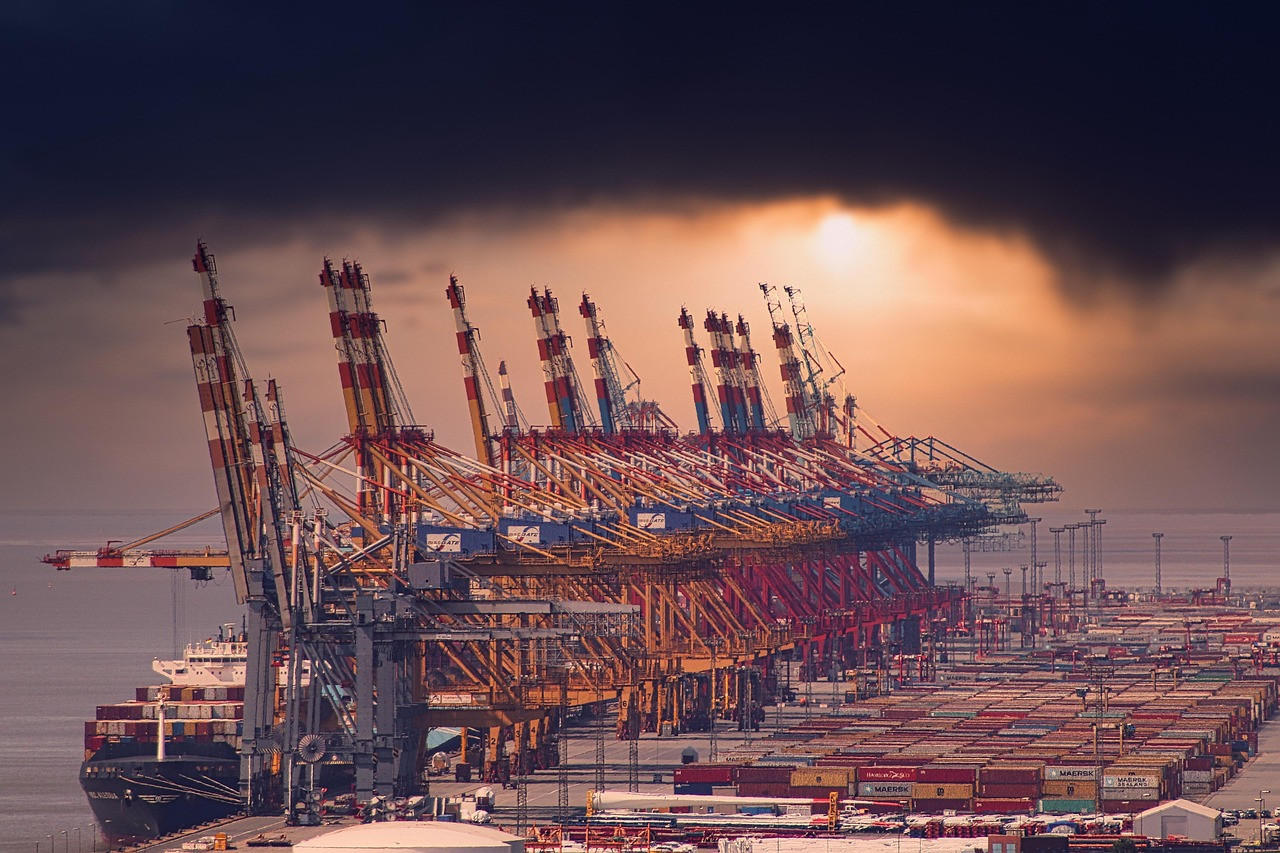
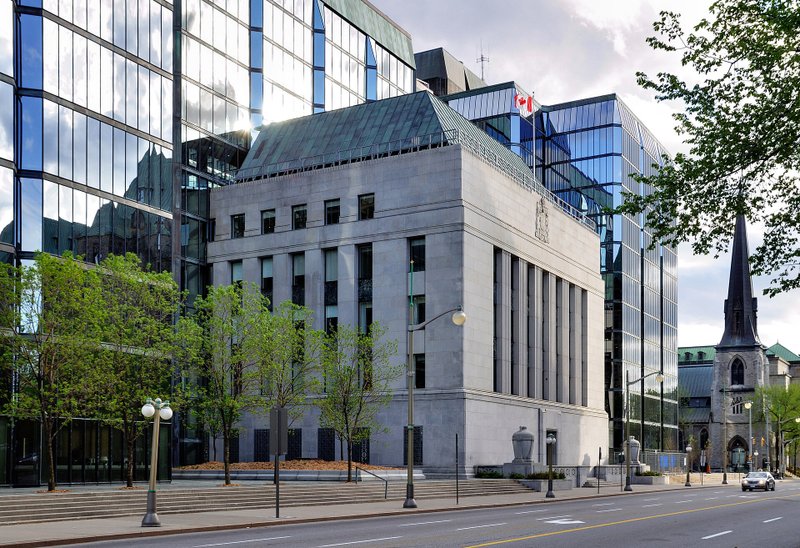
Representative image: WorldInMyEyes / Pixabay
China and Switzerland signed an upgraded free trade protocol on October 30, 2026 that will eventually make 99.8% of Swiss goods exports to China tariff-free.
What Happened
China and Switzerland signed an upgraded version of their free trade agreement in Beijing on Friday, October 30, 2026. Swiss President Guy Parmelin and Chinese President Xi Jinping signed the protocol, which will eventually remove tariffs completely on 99.8% of Swiss goods exported to China, up from 53.6% under the current agreement. On the Chinese side, it covers 97.3% of Chinese agricultural exports to Switzerland, 80.1% of them with full tariff exemption. The Swiss government said it is the first time the agreement includes a legally binding chapter on trade and sustainable development. The protocol must still be ratified by the Swiss parliament.
Key Facts
- Signed: October 30, 2026, in Beijing, by Swiss President Guy Parmelin and Chinese President Xi Jinping.
- Swiss exports to China: full tariff exemption to rise eventually to 99.8% of goods, from 53.6% today.
- Chinese agricultural exports to Switzerland: 97.3% covered, 80.1% with full exemption.
- First legally binding chapter on trade and sustainable development, according to the Swiss federal government.
- The two sides also signed cooperation documents on scientific research, employment and media.
- The original China-Switzerland FTA was signed in July 2013 and took effect on July 1, 2014.
- Bilateral trade was about CHF 33.5 billion (about $40.3 billion) in 2025, according to Swiss official data.
- Next step: ratification by the Swiss parliament.
Why It Matters
Free trade agreements reduce or remove the taxes, called tariffs, that countries charge on each other's imports. Raising the share of Swiss goods that can enter China tariff-free from about half to almost all is a large step for Swiss exporters, who will become more competitive in the Chinese market as the cuts are phased in.
For China, the deal has a political as well as an economic purpose. Signing an expanded agreement with a wealthy European economy shows that China can still widen its trade ties in Europe. Xi called free trade cooperation a key pillar of bilateral relations and urged closer economic ties with Switzerland and Europe. A former Swiss ambassador to China said the deal gives Switzerland better market access and also matters to China as a sign that a country is willing to lower barriers.
The binding sustainability chapter is new. It means environmental and labour commitments are part of the legal text, not only a statement of intent.
For India, the deal is a reference point. Swiss companies that export to Asia will now have much easier access to China, and Indian exporters that compete with Chinese farm goods in Switzerland will face Chinese products with lower tariffs. Indian businesses with ties to Switzerland will watch how the deal shapes Swiss trade with Asia.
| Measure | Current agreement | Upgraded protocol |
|---|---|---|
| Swiss goods to China with zero tariff | 53.6% | 99.8% (eventually) |
| Chinese agricultural exports covered | not stated | 97.3% (80.1% fully exempt) |
| Sustainability chapter | Not legally binding | Legally binding |
Impact
Short-term: The protocol goes to the Swiss parliament for ratification. Businesses on both sides will study the tariff schedules and timelines for when cuts take effect, since the word "eventually" in the official figures means the full benefit will be phased in over time rather than applying from the first day.
Long-term: Once in force, Swiss exports to China could grow as tariffs fall, and Chinese agricultural products may become cheaper in Switzerland. The deal may also influence the EU's own approach to trade with China.
Who is affected: Swiss exporters and manufacturers; Chinese farm exporters; consumers in both countries; and competitors from other countries, including India, that sell to the Swiss and Chinese markets.
Key Takeaway
China and Switzerland signed an upgraded free trade protocol in Beijing on October 30, 2026 that will eventually make 99.8% of Swiss goods exports to China tariff-free, pending ratification by the Swiss parliament.
Questions and Answers
What did China and Switzerland sign on October 30, 2026?
Swiss President Guy Parmelin and Chinese President Xi Jinping signed a protocol upgrading the two countries' free trade agreement, along with cooperation documents on research, employment and media.
How much of Swiss trade with China will be tariff-free?
Under the upgraded agreement, full tariff exemption will eventually cover 99.8% of Swiss goods exports to China, compared with 53.6% under the current agreement.
When was the original China-Switzerland free trade agreement signed?
It was signed in July 2013 and took effect on July 1, 2014.
Is the upgraded China-Switzerland trade deal in force?
Not yet. The protocol must be ratified by the Swiss parliament before it takes effect.
Disclaimer: Prepared by the Peepals newsroom from publicly available sources with AI assistance. Information is accurate to the best of our knowledge at the time of publication and may change. Images may be representative. Not professional advice. Report an error via our contact page.
By Neha Kapoor, Economy CorrespondentCovers Economy and more for Peepals Business. All stories by Neha Kapoor
Amit Shah orders 25-year roadmap for NCDC; lending tops Rs 4.14 lakh crore
Foxconn chairman says new OpenAI tie-up in works, rejects AI bubble fears
Get the day's stories in your inbox
Peepals Weekly: the week decoded, free. One email a week, unsubscribe in one click.
Neha Kapoor is a pen name of the Peepals Global Editorial Team, which researches, fact-checks and publishes every story. The portrait is an illustration.