
Cotton import duty waiver extended to December 31 for textile makers
 By Arjun MehtaSenior Business Editor, Peepals Business
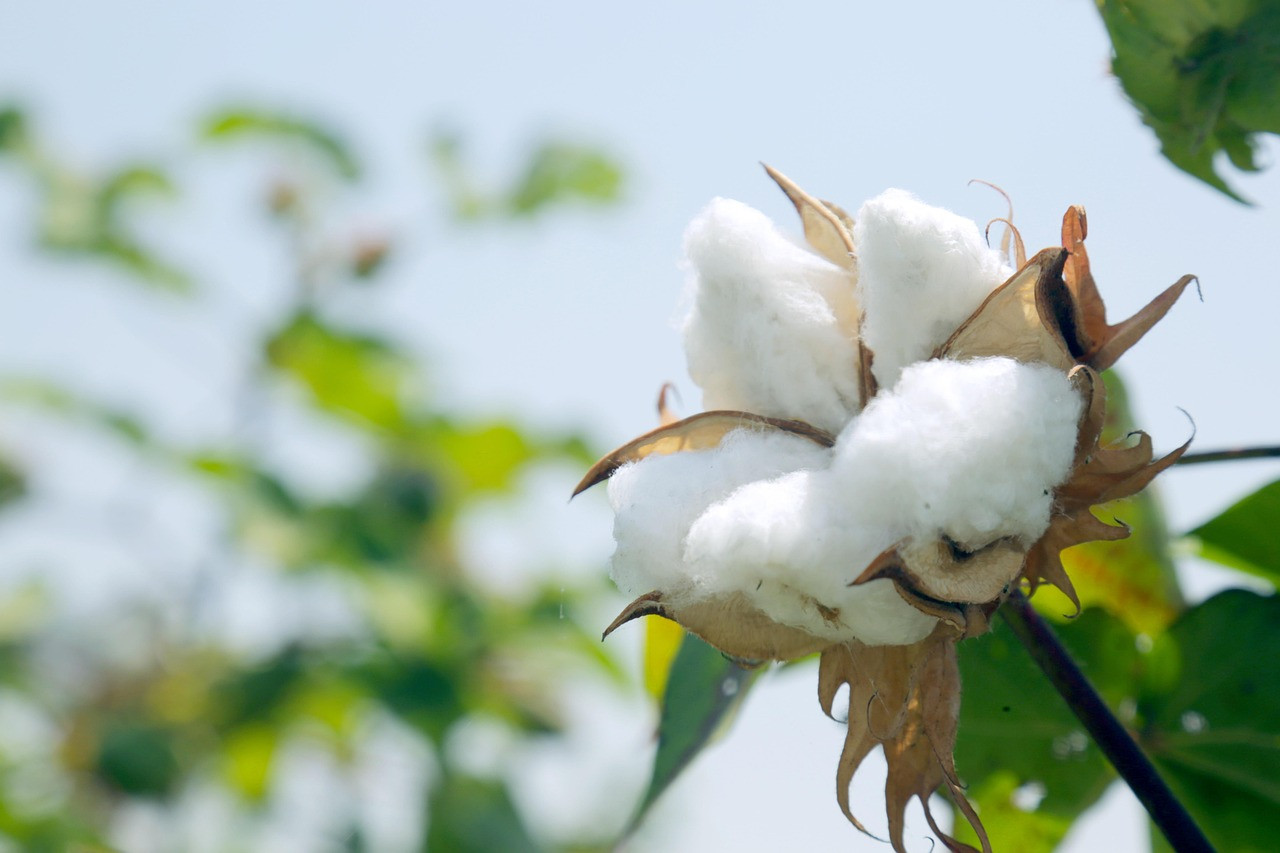
Representative image: juangondel / Pixabay
The Finance Ministry on October 30, 2026 extended the customs duty and AIDC waiver on cotton imports to December 31, 2026, to ease costs for textile makers.
What Happened
The Centre has extended the exemption from customs duty and the Agriculture Infrastructure and Development Cess (AIDC) on cotton imports by two months, to December 31, 2026. The Finance Ministry issued Notification No. 35/2026-Customs on October 30, 2026, a day before the earlier exemption was due to lapse on October 31. A Finance Ministry official said the extension should lower input costs for textile and apparel makers by improving the availability of cotton in the domestic market. Cotton is currently trading above Rs 9,000 per quintal (100 kg), against a minimum support price (MSP) of Rs 8,717.
Key Facts
- Notification: No. 35/2026-Customs, dated October 30, 2026, issued by the Finance Ministry.
- It amends Notification No. 19/2026-Customs of May 30, 2026, changing the end date from October 31, 2026 to December 31, 2026.
- Legal basis: Section 25(1) of the Customs Act, 1962, read with Section 124 of the Finance Act, 2021.
- Covered: both basic customs duty and the AIDC on cotton imports.
- According to one report, the waiver was introduced on June 1 to increase supply during the lean season.
- Market price: above Rs 9,000 per quintal, compared with the MSP of Rs 8,717.
- Reports say the move is meant to help small and medium textile units while balancing the interests of domestic cotton farmers.
Why It Matters
Cotton is the main raw material for India's textile and clothing industry, which includes many small and medium units. When domestic cotton is scarce or expensive, spinning mills and garment makers face higher costs, which can hurt their competitiveness. Allowing cotton to be imported without customs duty or the agriculture cess makes imported cotton cheaper and gives mills another source of supply.
The exemption was first brought in for the lean season, the months before the new Indian crop arrives in large quantities. Extending it to the end of December keeps imports cheaper through the early part of the new marketing season, when mills are still building stocks.
The decision involves a balance between two groups. Textile makers want cheap cotton. Farmers want good prices for their crop. With market prices currently above the MSP of Rs 8,717 per quintal, the government appears to judge that farmers are not under immediate price pressure, giving it room to help industry. If duty-free imports pushed domestic prices down sharply as the new crop arrives, however, farmers could be hurt, which is why the extension is limited to two months rather than open-ended.
AIDC is a cess, linked to Section 124 of the Finance Act, 2021, that is meant to raise money for farm infrastructure. Waiving it along with customs duty means the full tax cost of importing cotton is removed for the period of the exemption.
| Item | Detail |
|---|---|
| Notification | No. 35/2026-Customs, October 30, 2026 |
| Earlier end date | October 31, 2026 |
| New end date | December 31, 2026 |
| Duties waived | Basic customs duty and AIDC |
| Cotton price | Above Rs 9,000 per quintal |
| MSP | Rs 8,717 per quintal |
Impact
Short-term: Textile mills can continue importing cotton duty-free for two more months, which may help keep yarn and fabric prices stable. Importers who had placed orders expecting the October 31 deadline gain more time.
Long-term: The government will need to decide by the end of December whether to extend the exemption again, depending on the size of the domestic crop and price movements. Repeated extensions could shape how much Indian mills rely on imported cotton.
Who is affected: Cotton farmers, especially in major producing states; spinning mills, weavers and garment exporters; cotton traders and importers; and consumers of textiles, through prices.
Key Takeaway
The Finance Ministry's notification of October 30, 2026 extends the customs duty and AIDC exemption on cotton imports to December 31, 2026, aiming to keep raw material costs down for textile makers while cotton trades above its MSP.
Questions and Answers
Has the cotton import duty exemption been extended?
Yes. Notification No. 35/2026-Customs, dated October 30, 2026, extends the exemption from customs duty and AIDC on cotton imports from October 31 to December 31, 2026.
Why did the government extend duty-free cotton imports?
A Finance Ministry official said it should lower input costs for textile and apparel makers by improving cotton availability in the domestic market. Reports say it is meant to help small and medium textile enterprises.
What is AIDC on cotton imports?
The Agriculture Infrastructure and Development Cess is a levy under the Finance Act, 2021 meant to fund farm infrastructure. It is waived on cotton imports along with customs duty until December 31, 2026.
How does the cotton duty exemption affect farmers?
Cheaper imports can put pressure on domestic prices. Cotton is currently trading above Rs 9,000 per quintal, higher than the MSP of Rs 8,717, and reports say the move tries to balance the interests of farmers and industry.
Disclaimer: Prepared by the Peepals newsroom from publicly available sources with AI assistance. Information is accurate to the best of our knowledge at the time of publication and may change. Images may be representative. Not professional advice. Report an error via our contact page.
By Arjun Mehta, Senior Business EditorCovers Start-ups & Opportunities and more for Peepals Business. All stories by Arjun Mehta
Foxconn chairman says new OpenAI tie-up in works, rejects AI bubble fears
Avendus: $3 trillion AI cycle opens six manufacturing sectors for India
Get the day's stories in your inbox
Peepals Weekly: the week decoded, free. One email a week, unsubscribe in one click.
Arjun Mehta is a pen name of the Peepals Global Editorial Team, which researches, fact-checks and publishes every story. The portrait is an illustration.