

Brent crude touches $110 for first time since May; Indian markets face test
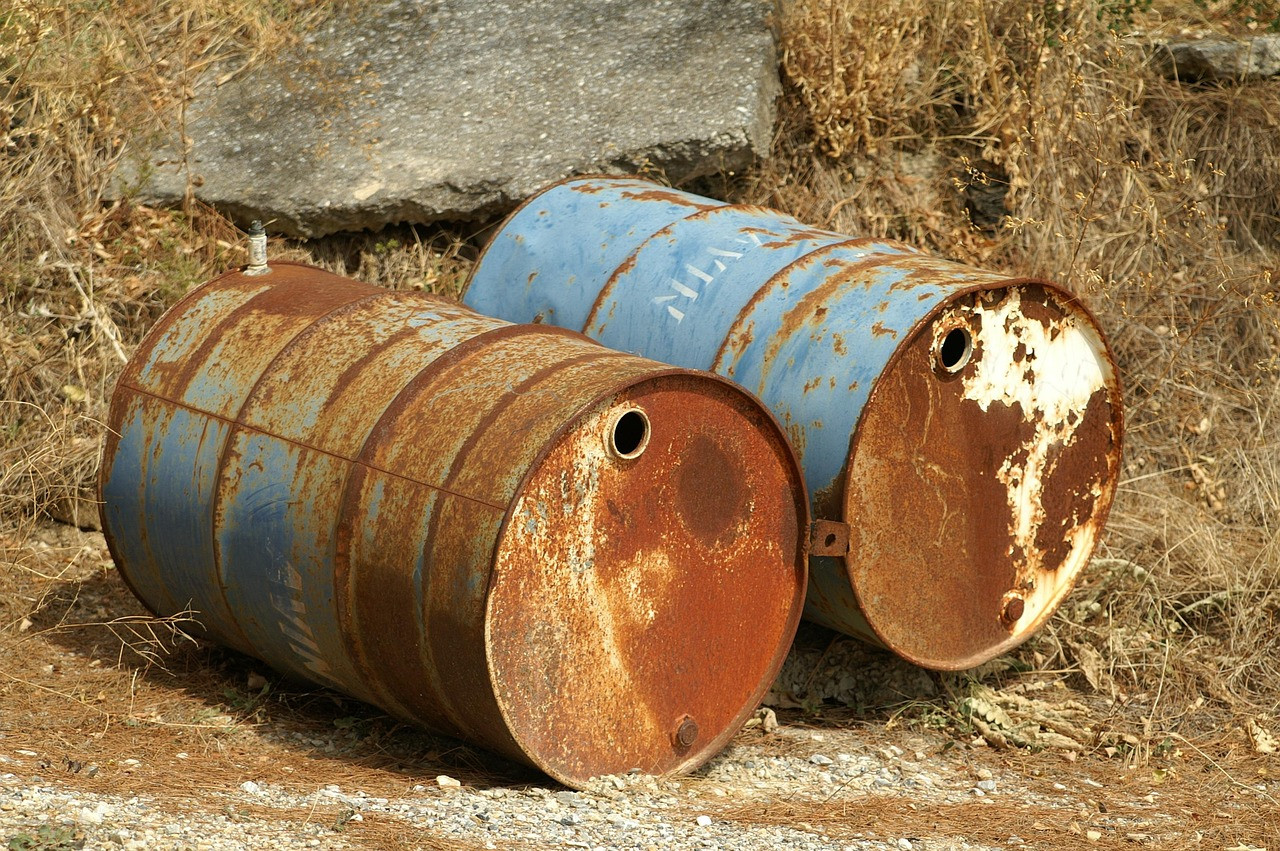
Representative image: 1167985 / Pixabay
Brent crude touched $110 a barrel on 16 October 2026, first since May, on Hormuz shipping attacks and Ukraine refinery strikes; Indian markets react on Monday.
What Happened
The Brent crude price touched 110 dollars a barrel on Friday, 16 October 2026, for the first time since May, as attacks on ships near the Strait of Hormuz and Ukraine's plan to resume strikes on Russian refineries revived fears for global oil supply. Brent, the international benchmark, settled at 109.86 dollars, up 3.7% on the day, while US crude (WTI) closed at 101.41 dollars. In early trading on Sunday, 18 October, Brent eased about 1% to around 108.80 dollars. Indian markets, which closed higher on Friday before the late jump in oil, face the move when trading resumes on Monday, 19 October.
Key Facts
- Brent touched 110 dollars on 16 October 2026, its first time at that level since May, and settled at 109.86 dollars, up 3.7%.
- WTI, the US benchmark, settled at 101.41 dollars a barrel.
- Early Sunday trade on 18 October pulled Brent about 1% lower, to around 108.80 dollars.
- At least nine tankers and cargo ships were reported attacked near the Strait of Hormuz in the days before the jump.
- A US-brokered energy truce between Russia and Ukraine broke down; President Zelenskyy said Kyiv would resume strikes on Russian refineries, adding to worries about Russian diesel supply.
- In India, the BSE Sensex closed at 74,729.27 on 16 October, up 413.66 points, and the Nifty 50 at 23,146.15, with elevated crude and foreign fund outflows cited as concerns.
- Longer-dated oil futures have also moved higher on expectations that disruption to energy infrastructure could last into 2027, according to market reports.
Why It Matters
Oil is the single most important commodity for India's markets. The country imports most of the crude it uses, so a higher price feeds through to the import bill, the rupee, fuel costs for companies and, eventually, inflation. Indian shares had a good Friday, led by IT stocks and strong quarterly results, but the Sensex and Nifty closed before the late surge in Brent. That means Monday's session is the first chance for Indian investors to react.
The rise is being driven by two separate conflicts at once. In the Gulf, the run of attacks on shipping around the Strait of Hormuz, the narrow channel through which a large share of the world's seaborne oil passes, has made traders worry that cargoes could be delayed or stopped. In Europe, the collapse of an energy truce between Moscow and Kyiv means Russian refineries are again likely targets, which threatens supplies of diesel and other fuels. Either problem alone would lift prices; together they have pushed Brent back to levels last seen in May.
For investors, the sectors that usually feel high oil most directly are airlines, paint makers, tyre companies, chemical firms and oil marketing companies, whose costs rise with crude. Upstream oil producers, on the other hand, can benefit. Bond markets also watch oil closely, because a sustained jump can push up inflation expectations and reduce room for interest rate cuts.
It is important not to read too much into one day. Brent slipped on Sunday, and prices can swing sharply on any news of a ceasefire, a successful naval escort operation or a change in sanctions policy. What matters for markets is whether crude stays near 110 dollars for weeks, not whether it touches the level once.
| Benchmark | Settlement on 16 October 2026 | Change |
|---|---|---|
| Brent crude | 109.86 dollars | Up 3.7% |
| WTI crude | 101.41 dollars | Higher |
| BSE Sensex (closed before oil's late jump) | 74,729.27 | Up 413.66 points |
| Nifty 50 | 23,146.15 | Up 148.80 points |
Impact
Short-term: Indian shares may come under pressure on Monday in oil-sensitive sectors, and the rupee could weaken if crude stays high. Traders will watch Gulf shipping news and any further strikes on Russian energy sites.
Long-term: If Brent holds near 110 dollars, India's import bill and inflation could rise, squeezing company margins and reducing the scope for interest rate cuts. A fall back would ease these pressures.
Who is affected: Investors in Indian and global markets; oil marketing companies, airlines and other heavy fuel users; Indian consumers through fuel and transport costs; and policymakers watching inflation and the rupee.
Key Takeaway
Brent crude touched 110 dollars on 16 October 2026 for the first time since May on Gulf shipping attacks and renewed Ukraine-Russia energy strikes, setting up a test for Indian markets when they reopen on Monday.
Questions and Answers
What is the Brent crude price now?
Brent touched 110 dollars a barrel on 16 October 2026 and settled at 109.86 dollars. In early Sunday trade on 18 October it eased to around 108.80 dollars.
Why did the Brent crude price rise to 110 dollars?
Traders reacted to a wave of attacks on ships near the Strait of Hormuz and to the breakdown of an energy truce between Russia and Ukraine, after which Kyiv said it would resume strikes on Russian refineries.
How does high oil affect Indian markets?
India imports most of its crude, so higher prices raise the import bill, can weaken the rupee and push up inflation. Oil-sensitive sectors such as airlines, paints, tyres and oil marketing companies are usually hit first.
Did Indian markets react on Friday?
Not fully. The Sensex closed up 413.66 points at 74,729.27 and the Nifty at 23,146.15 on 16 October, before Brent's late rise to 110 dollars, so Monday is the first session to price in the move.
Disclaimer: Prepared by the Peepals newsroom from publicly available sources with AI assistance. Information is accurate to the best of our knowledge at the time of publication and may change. Images may be representative. Not professional advice. Report an error via our contact page.
Sourced and fact-checked by the Peepals Global Editorial Team
Reported, fact-checked and published by the Peepals Global Editorial Team.