
Ethanol 2026-27: no sugar for ethanol as oil firms seek 1,100 crore litres from grain
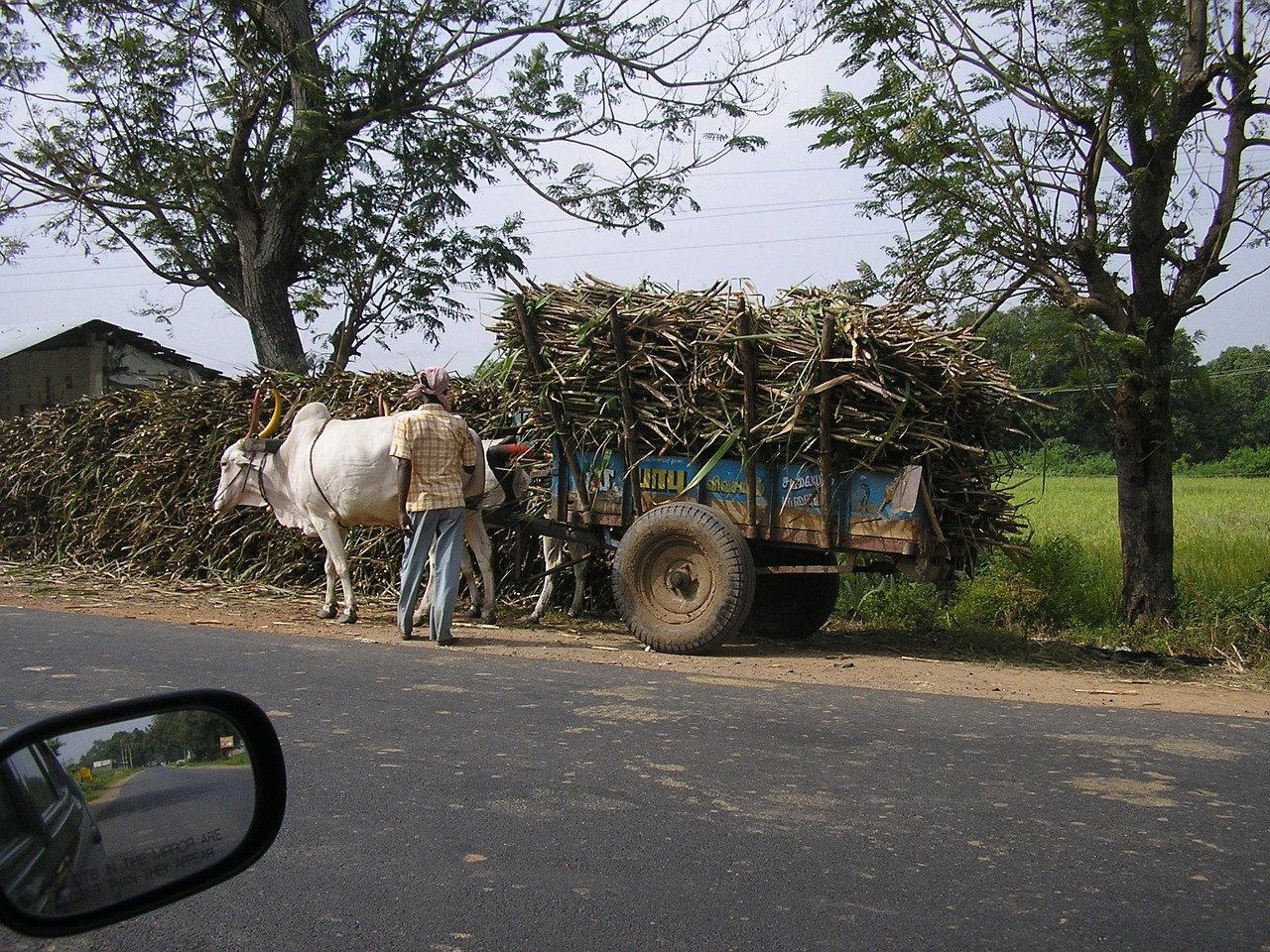
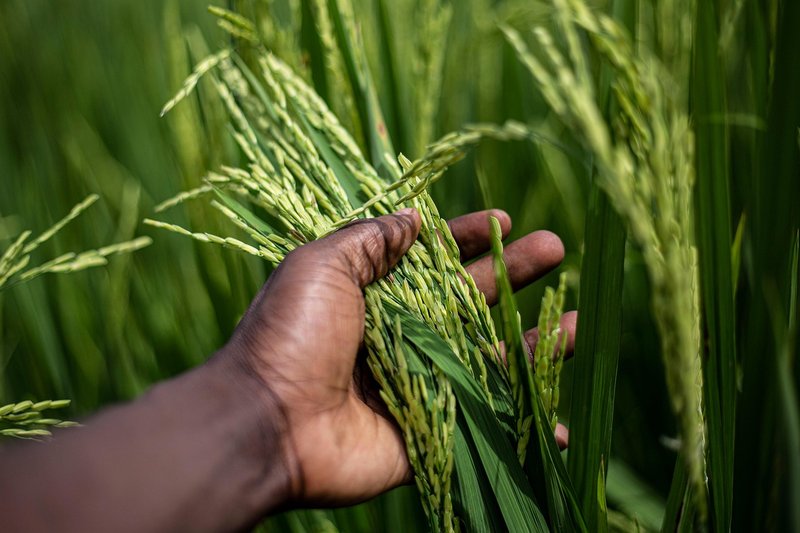
Representative image: jyotipandalai / Pixabay
India set sugar diversion for ethanol at zero for 2026-27; oil firms' 16 October 2026 tender seeks about 1,100 crore litres from grain and C-heavy molasses.
What Happened
India has cut the use of sugar for making ethanol to zero for the 2026-27 ethanol supply year, which runs from 1 November 2026 to 31 October 2027. In a tender dated Friday, 16 October 2026, the state-run oil marketing companies invited bids for around 1,100 crore litres of ethanol for the first supply cycle, but sought no ethanol made from sugarcane juice, sugar, sugar syrup or B-heavy molasses. Supplies will instead have to come from C-heavy molasses, damaged food grains, surplus rice from the Food Corporation of India, maize and other feedstocks allowed under the National Policy on Biofuels. The move follows record retail sugar prices after weak rainfall and poor cane yields in Maharashtra and Karnataka.
Key Facts
- Tender date: 16 October 2026; supply period 1 November 2026 to 31 October 2027.
- Quantity sought: around 1,100 crore litres of ethanol for cycle 1.
- Excluded: ethanol from sugarcane juice, sugar, sugar syrup and B-heavy molasses (sugar diversion set at zero).
- Allowed: C-heavy molasses, damaged food grains, FCI surplus rice, maize and other approved feedstocks.
- Prices: Rs 57.97 a litre for C-heavy molasses ethanol; Rs 60.32 to Rs 66.07 a litre for grain-based ethanol.
- Sugar backdrop: about 30 lakh tonnes of sugar, nearly 10% of output, went to ethanol in 2025-26; opening stocks on 1 October were about 37.5 lakh tonnes against nearly 50 lakh tonnes a year earlier.
- The industry body ISMA forecasts net sugar output of about 28 million tonnes in 2026-27, down from 31 million tonnes.
Why It Matters
For several years, India has encouraged sugar mills to turn part of their cane into ethanol, which is blended with petrol to cut oil imports and give farmers and mills a second source of income. Making ethanol from cane juice or B-heavy molasses means producing less sugar. When cane harvests are good, that trade-off works well. This year it does not: rainfall was weak in Maharashtra and Karnataka, two of the biggest cane states, yields fell, and retail sugar prices have hit records, with festival-season shortages already reported in some towns.
Setting sugar diversion to zero is the government choosing kitchens over fuel tanks for this season. Every tonne of sugar that would have gone to distilleries now stays in the market, which should ease prices for households and sweet makers during the festival and wedding months. The fall in opening stocks, from nearly 50 lakh tonnes to about 37.5 lakh tonnes, shows how thin the cushion had become.
The decision shifts the burden of meeting ethanol demand onto grain. Distilleries using maize, damaged grains and FCI rice will now supply most of the 1,100 crore litres. That is good news for maize growers, who can expect stronger demand, but it could also push up maize and rice prices, which matter for poultry feed, starch makers and food inflation. Analysts have warned that the gap left by sugar-based ethanol may be hard to fill entirely.
For sugar mills that invested in ethanol plants, the loss of cane-juice and B-heavy routes means idle capacity and lower income from ethanol this year. Mills still have C-heavy molasses, a by-product left after sugar is made, which remains eligible. The tender is also subject to pending court cases, and the oil companies have reserved the right to change allocations depending on their outcome.
| Ethanol feedstock | Status for 2026-27 |
|---|---|
| Sugarcane juice, sugar, sugar syrup | Not sought (zero diversion) |
| B-heavy molasses | Not sought |
| C-heavy molasses | Allowed; Rs 57.97 a litre |
| Grains (maize, damaged grain, FCI rice) | Allowed; Rs 60.32 to Rs 66.07 a litre |
Impact
Short-term: More sugar stays in the market, which should help cool record retail prices ahead of Diwali and the wedding season. Grain-based distilleries are set to win most of the tender.
Long-term: The decision tests how far India's petrol blending programme can rely on grain without straining food prices. If cane output recovers next year, the government may restore sugar diversion; if not, maize and rice demand from distilleries will keep rising.
Who is affected: Sugarcane farmers and sugar mills, particularly cooperatives with ethanol units; maize farmers, who stand to gain; grain-based distilleries; oil marketing companies; and households facing high sugar prices.
Key Takeaway
With sugar prices at record highs and cane output down, India has barred sugar-based ethanol for 2026-27, and oil firms will now buy about 1,100 crore litres mainly from grain and C-heavy molasses.
Questions and Answers
Why has India stopped using sugar for ethanol in 2026-27?
Retail sugar prices have hit record highs after weak rainfall and poor cane yields in Maharashtra and Karnataka, and opening sugar stocks are lower than last year. Setting diversion to zero keeps more sugar available for food.
How much ethanol are oil companies buying for 2026-27?
Their tender dated 16 October 2026 seeks around 1,100 crore litres for the first cycle of the supply year running from 1 November 2026 to 31 October 2027.
Which feedstocks can still be used to make ethanol?
C-heavy molasses, damaged food grains, surplus rice from the Food Corporation of India, maize and other feedstocks approved under the National Policy on Biofuels. Ethanol from cane juice, sugar, sugar syrup and B-heavy molasses is excluded.
What are ethanol prices in the 2026-27 tender?
Ethanol from C-heavy molasses is priced at Rs 57.97 a litre, and grain-based ethanol at between Rs 60.32 and Rs 66.07 a litre.
Disclaimer: Prepared by the Peepals newsroom from publicly available sources with AI assistance. Information is accurate to the best of our knowledge at the time of publication and may change. Images may be representative. Not professional advice. Report an error via our contact page.
Sourced and fact-checked by the Peepals Global Editorial Team
Someshwar sugar mill poll: Sunetra Pawar's panel wins all 21 seats in Baramati
Indian start-up funding nearly doubles this week as AI and e-commerce lead, trackers show
Reported, fact-checked and published by the Peepals Global Editorial Team.