
Quick commerce could reach $90 billion by FY31, Google-Redseer report says
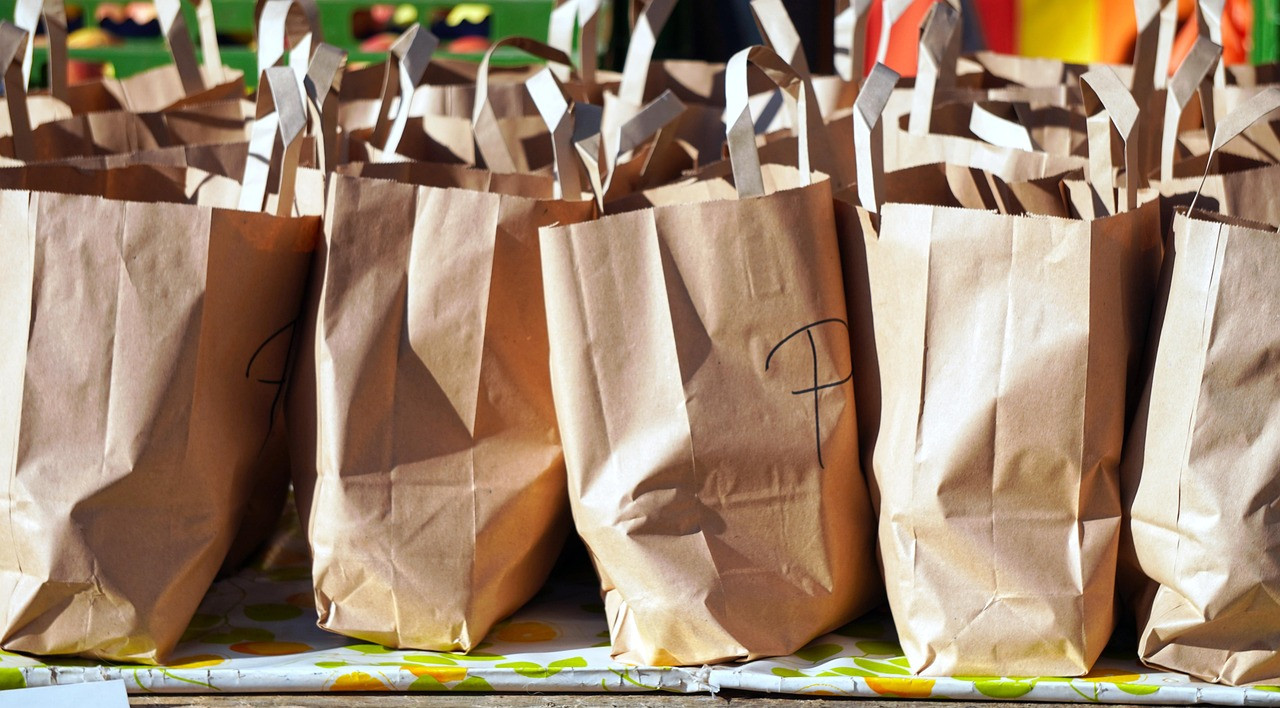
Representative image: matthiasboeckel / Pixabay
A Google-Redseer report released October 7, 2026 projects India's quick commerce market to grow from about $13 billion in FY26 to $70-90 billion by FY31.
What Happened
India's quick commerce market, the ten-to-thirty-minute delivery of groceries and household goods, could grow from about $13 billion in 2025-26 to as much as $90 billion by 2030-31, according to a report by Google and the consulting firm Redseer Strategy Consultants released on Wednesday, October 7, 2026. The report, titled "Think Quick Commerce: Unlocking the $90B Opportunity", puts the 2030-31 market at $70 billion to $90 billion, which implies annual growth of 41 to 48 percent. It expects quick commerce to account for about 5 percent of all retail sales in India by then, and says smaller cities will supply a large share of new growth.
Key Facts
- Market size: about $13 billion in FY2026, projected at $70 billion to $90 billion by FY2031.
- Implied growth: a compound annual rate of 41 to 48 percent, a five- to sevenfold rise.
- Share of retail: about 5 percent of total Indian retail by FY2031.
- Where growth comes from: metros about 60 percent of new growth, non-metro cities about 40 percent.
- Users outside the big cities are expected to grow four- to fivefold, to as many as 60 million monthly users by 2031.
- Monthly transacting users across India are projected to pass 100 million by FY2031.
- The report was released by Google and Redseer on October 7, 2026.
Why It Matters
Quick commerce has become one of the fastest-moving parts of Indian retail, with Blinkit, Zepto and now e-commerce giants such as Amazon and Flipkart competing to deliver within minutes from small neighbourhood warehouses known as dark stores. A forecast of this size tells founders, brands and investors where the next wave of spending is likely to go.
The most important part for opportunity-seekers is the shift beyond the metros. If four in ten rupees of new growth come from non-metro cities, there is room for regional brands, local suppliers, logistics firms, packaging makers and warehouse operators in Tier 2 and Tier 3 towns. Consumer brands that grew up selling through kirana stores now have a fast new channel, and new brands can reach buyers without building a distributor network first.
There are reasons for caution. Market forecasts from consultancies often use gross order value, which includes taxes and fees, and some analysts have questioned whether the headline figure is a gross or net number. Others doubt whether order volumes in smaller cities will be high enough to make dark stores profitable without permanent discounts. The projections are estimates, not guarantees.
| Measure | FY2026 | FY2031 (projected) |
|---|---|---|
| Market size | about $13 billion | $70 to 90 billion |
| Share of Indian retail | lower | about 5% |
| Monthly users outside metros | lower | up to 60 million |
Impact
Short-term: Expect more dark stores opening in Tier 2 cities and more brands, especially in food, personal care and household goods, designing products and pack sizes for quick commerce.
Long-term: If the forecast holds, quick commerce would become a mainstream retail channel, reshaping supply chains, local jobs in delivery and warehousing, and the economics of small neighbourhood shops.
Who is affected: Consumer brands and start-ups, investors, logistics and warehousing firms, delivery workers, kirana store owners, and shoppers in smaller cities.
Key Takeaway
A Google-Redseer report released on October 7, 2026 projects India's quick commerce market to grow from about $13 billion to as much as $90 billion by FY2031, with non-metro cities driving about 40 percent of new growth.
Questions and Answers
How big is India's quick commerce market expected to be?
The Google-Redseer report projects $70 billion to $90 billion by FY2031, up from about $13 billion in FY2026.
Where will the growth come from?
About 60 percent from metro cities and about 40 percent from non-metro cities, where monthly users could rise four- to fivefold to as many as 60 million by 2031.
What does this mean for small brands and founders?
Quick commerce gives new and regional brands a way to reach city and small-town buyers quickly, and opens room for local suppliers, packaging and logistics businesses.
Should the $90 billion figure be taken at face value?
It is a projection. Some analysts have asked whether it counts gross order value or net sales, and whether smaller cities can support profitable dark stores without heavy discounts.
Disclaimer: Prepared by the Peepals newsroom from publicly available sources with AI assistance. Information is accurate to the best of our knowledge at the time of publication and may change. Images may be representative. Not professional advice. Report an error via our contact page.
Sourced and fact-checked by the Peepals Global Editorial Team
Reported, fact-checked and published by the Peepals Global Editorial Team.