
Waymo closes $5 billion loan, its first debt deal, to expand robotaxi service

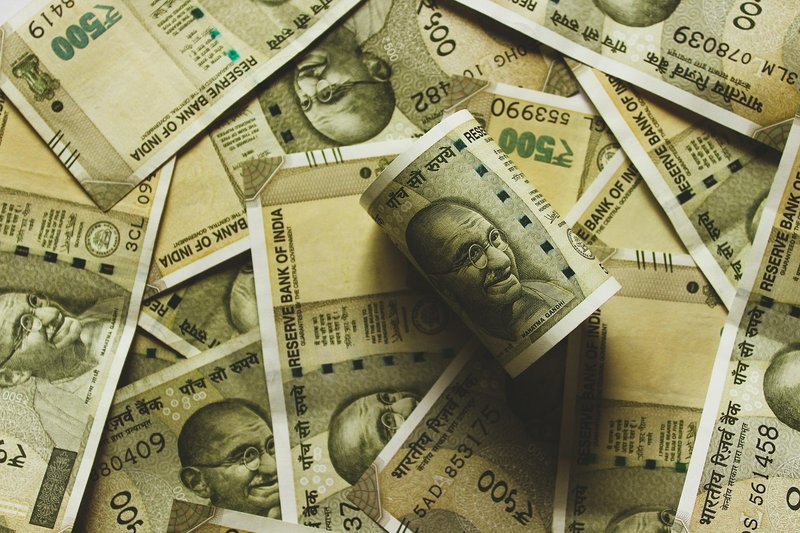
Representative image: thelegendreturn / Pixabay
Alphabet's Waymo closed a $5 billion term loan on October 8, 2026, its first debt deal, led by PIMCO, Blackstone and Sixth Street, to expand its robotaxis.
What Happened
Waymo, the self-driving car company owned by Alphabet, closed a $5 billion term loan on Thursday, October 8, 2026, the first time it has borrowed money rather than raising equity. The company said it will use the funds to expand its fully autonomous ride-hailing service across the United States and in other countries. PIMCO, Blackstone and Sixth Street led the group of lenders, with Capital Group, Loomis Sayles and T. Rowe Price also lending significant amounts, and Goldman Sachs acting as sole lead bookrunner. Talks began in early September with a target of more than $3 billion, and the deal grew to $5 billion as demand from lenders built up.
Key Facts
- Deal: a $5 billion term loan, Waymo's first debt financing, closed on October 8, 2026.
- Lead lenders: PIMCO, Blackstone and Sixth Street; other significant lenders included Capital Group, Loomis Sayles and T. Rowe Price.
- Other participants: Apollo, Blue Owl, Diameter Capital Partners, Franklin Templeton, Fidelity, HPS Investment Partners and Oaktree.
- Arranger: Goldman Sachs was the sole lead bookrunner.
- Size: the loan grew from an initial target of more than $3 billion.
- Pricing: reported at 5.25 percentage points over the benchmark interest rate.
- Context: earlier in 2026, Waymo raised $16 billion in equity at a valuation of $126 billion.
Why It Matters
Most young technology companies fund themselves by selling shares, because lenders want steady cash flows before they lend. A company that can borrow billions is one that lenders believe has a real, growing business. Waymo's ability to raise $5 billion in debt, and to increase the deal size along the way, signals that big credit investors now see robotaxis as a business that can earn enough to repay loans, not only a long-term research bet.
Debt is also cheaper for existing owners than issuing more shares, because it does not dilute their stakes. For Alphabet, which remains Waymo's majority owner, that matters: Waymo can keep expanding without the parent having to put in more money or give away more of the company. The trade-off is interest cost; the reported pricing, more than five percentage points over the benchmark, reflects the risks lenders still see in a young and capital-hungry business.
The money will go into building out the service: buying and equipping vehicles, opening in new cities, and maintaining depots and operations. Robotaxi services need a lot of capital before they earn back their costs, so access to both equity and debt gives Waymo more room to grow faster than rivals.
For India's technology and auto industries, the deal shows how capital markets are starting to treat autonomous driving as an infrastructure-like business. It is a signal worth watching for Indian firms working on driver-assistance software, mapping and electric vehicle fleets, which may one day seek similar financing.
| Item | Detail |
|---|---|
| Amount | $5 billion term loan |
| Closed | October 8, 2026 |
| Lead lenders | PIMCO, Blackstone, Sixth Street |
| Bookrunner | Goldman Sachs |
| Earlier equity raise | $16 billion at $126 billion valuation |
Impact
Short-term: Waymo has fresh capital to add vehicles and launch in more cities, in the US and abroad, without raising new equity.
Long-term: If the robotaxi business grows as planned, more self-driving and mobility companies could turn to debt markets, lowering their cost of funding; if it stalls, the loan becomes a burden that must still be serviced.
Who is affected: Riders in cities where Waymo operates or plans to launch, competing robotaxi and ride-hailing firms, Alphabet shareholders, and the lenders who now carry Waymo credit risk.
Key Takeaway
Waymo's first-ever loan, $5 billion from lenders led by PIMCO, Blackstone and Sixth Street, shows big credit investors are now willing to fund robotaxi expansion.
Questions and Answers
How much did Waymo borrow and when?
Waymo closed a $5 billion term loan on October 8, 2026. It was the company's first debt financing.
Who lent the money?
PIMCO, Blackstone and Sixth Street led the lenders, joined by Capital Group, Loomis Sayles, T. Rowe Price and others, with Goldman Sachs as sole lead bookrunner.
What will Waymo use the loan for?
To expand its fully autonomous ride-hailing service in the United States and internationally, according to the company.
Why borrow instead of raising more equity?
A loan lets Waymo raise money without diluting existing owners such as Alphabet, though it must pay interest, reported at 5.25 percentage points over the benchmark rate.
Disclaimer: Prepared by the Peepals newsroom from publicly available sources with AI assistance. Information is accurate to the best of our knowledge at the time of publication and may change. Images may be representative. Not professional advice. Report an error via our contact page.
Sourced and fact-checked by the Peepals Global Editorial Team
Reported, fact-checked and published by the Peepals Global Editorial Team.